nuxx.net
Making, baking, and (un-)breaking things in Southeast Michigan.

Category electronics

Atari SIO Connector Footprint in CadSoft EAGLE
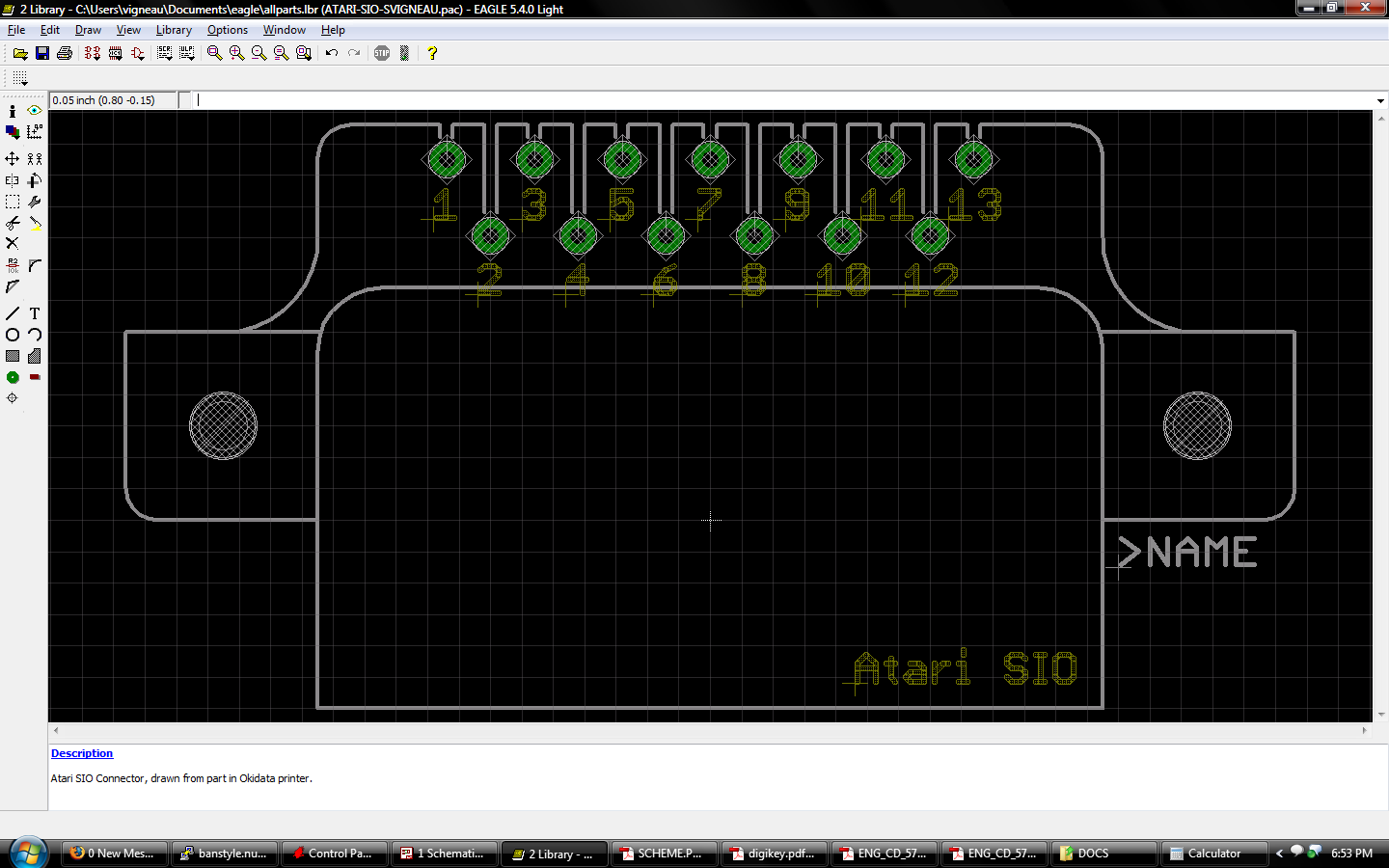
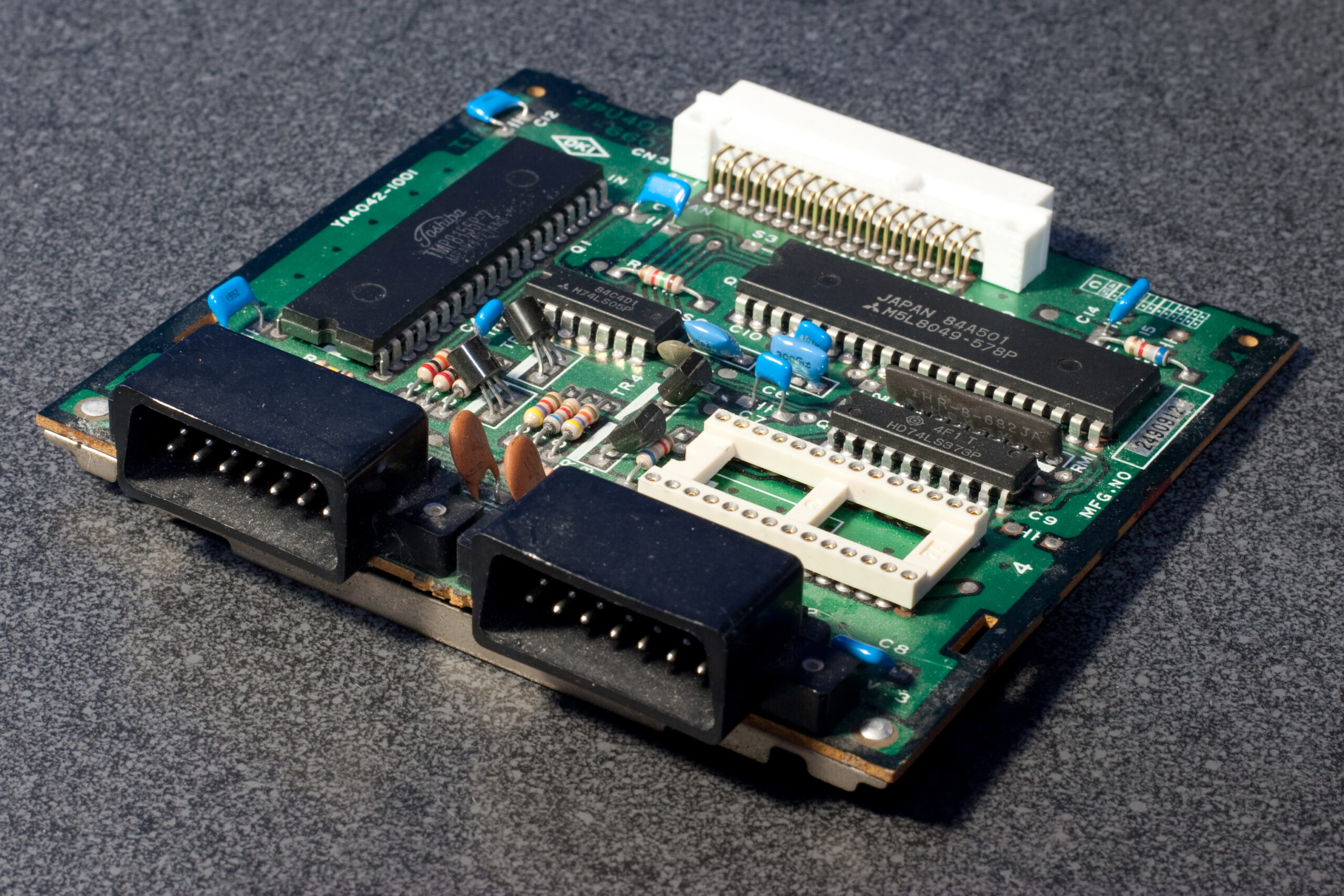
Atari SIO connector footprint drawn in CadSoft EAGLE. Modeled connector was salvaged from an Okidata printer.

Not wanting to sit in traffic I decided to stay at work late and poke around with the Atari SIO connectors from an Okidata printer which [info]kurtm sent last week. These parts were desoldered earlier in the week and I think I’ve captured their footprint properly. I just hope that the other SIO connectors out there also fit.

Because this footprint was done in CadSoft EAGLE I can’t easily dimension it, so that might make it a little difficult for other people to reuse. Maybe I’ll try and do a DXF of it or something. While measuring it I came across a couple unexpected (for me) things which lead me to believe that it was hand-designed way back when. For example, the overall footprint seems to be 2:1 width:height ratio (1.86″ x .93″), and the pins have a .14″ spacing between each other, with the pins forming equilateral triangles.

(And yes, I will be CC licensing this footprint once I’ve tuned it to fit all the SIO connector variants that I can find.)
electronicsmaking things

AMB γ1 Is Complete

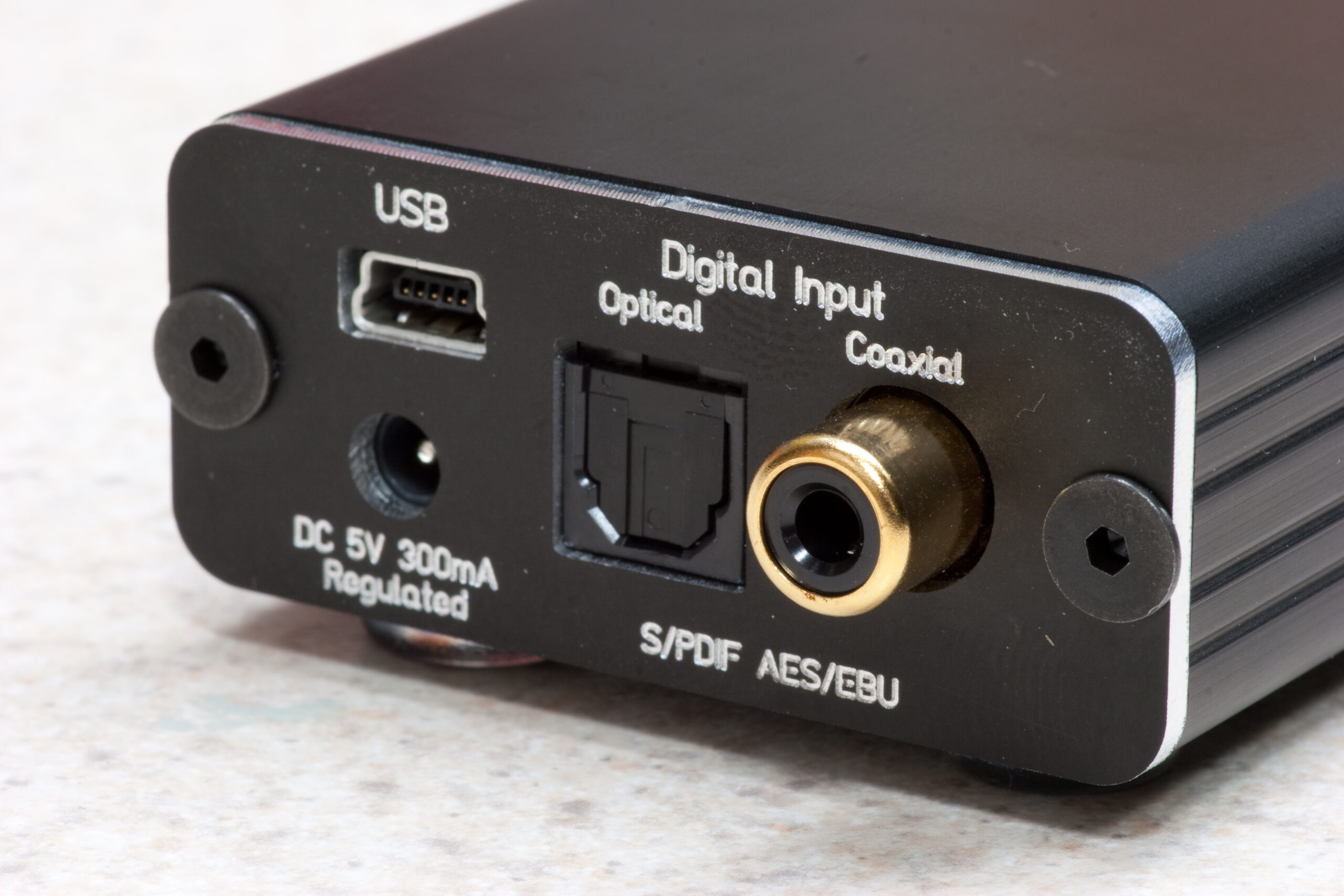
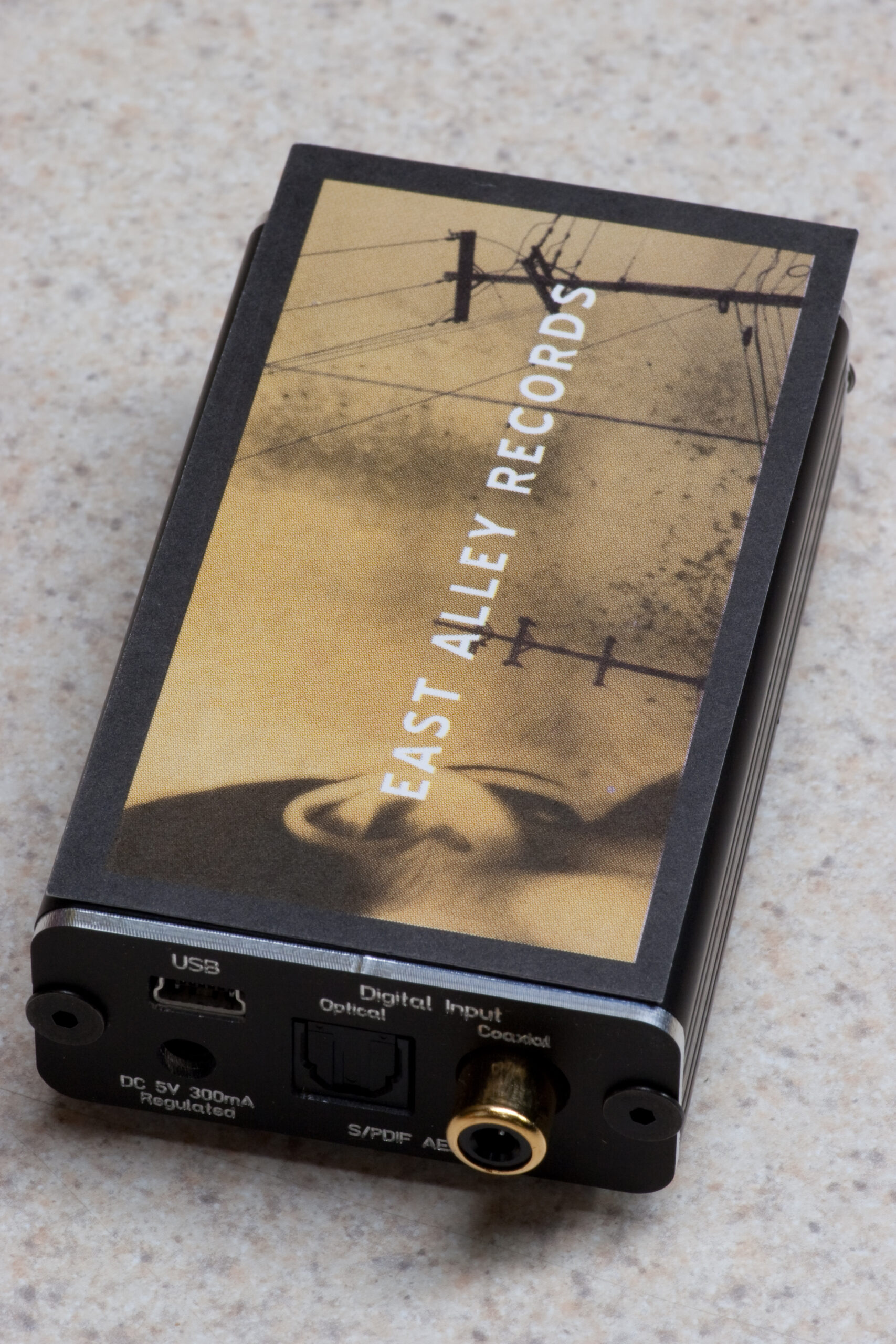
The completed AMB γ1 is a bit smaller than a business card.

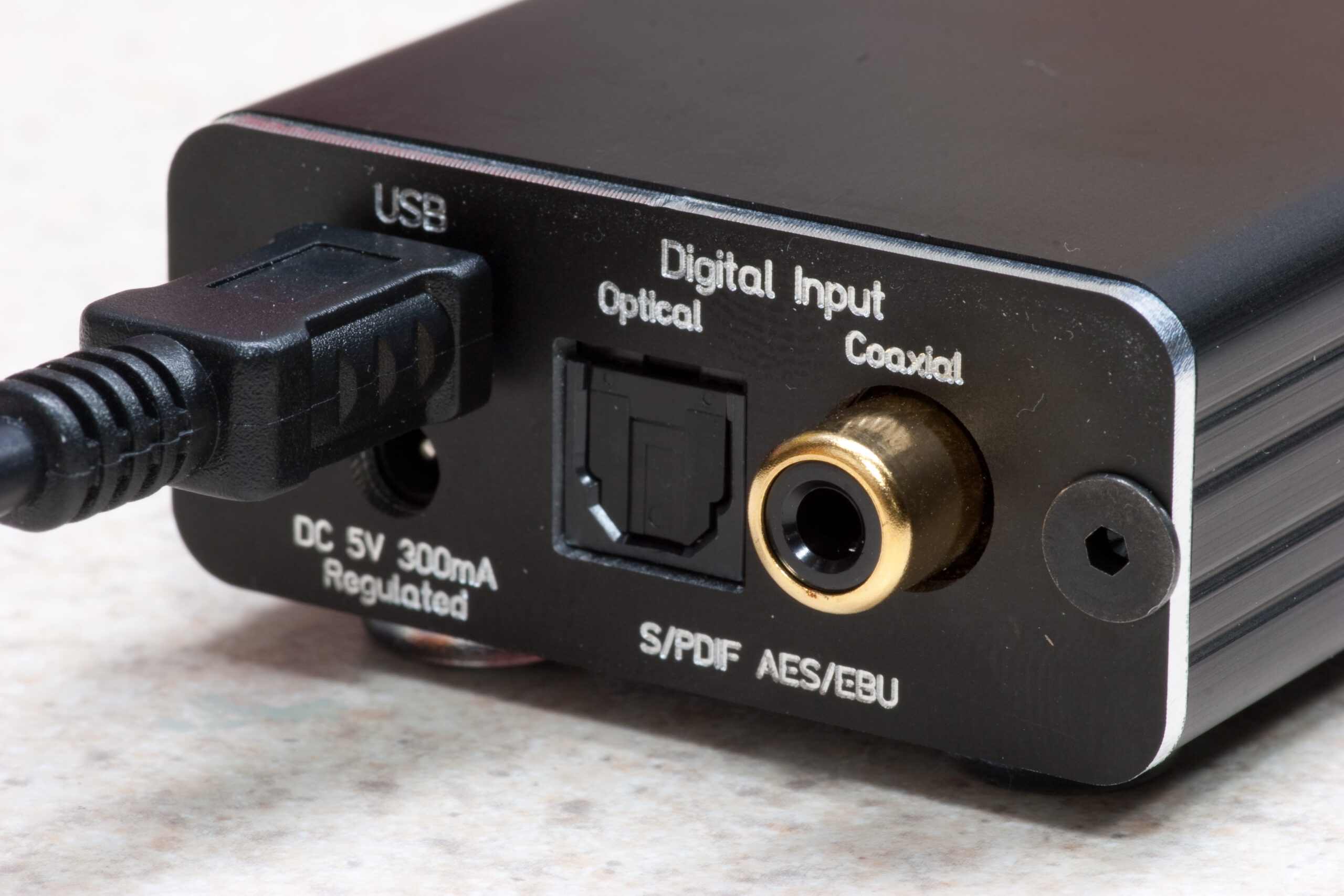
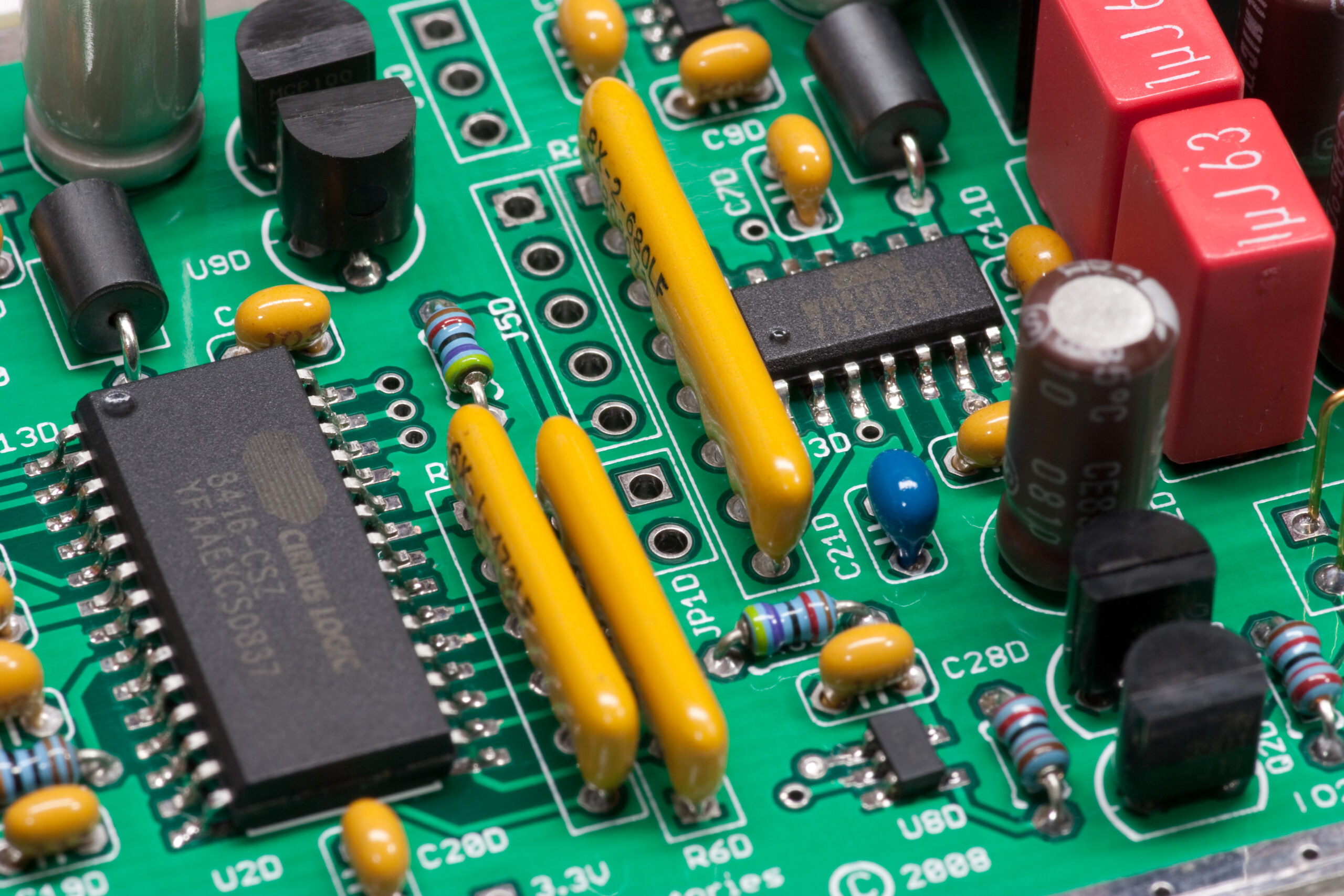
An order arrived from Mouser today, which means that I was able to complete the AMB γ1 Modular Miniature DAC that I’ve been building. Complete it’s a bit smaller than a standard business card and feels very solid. The board assembly slides forward and back ever so slightly in the case when inserting or removing the USB cable, but it’s nothing that’s a problem. (A/B this photo and this photo to see the shift.)

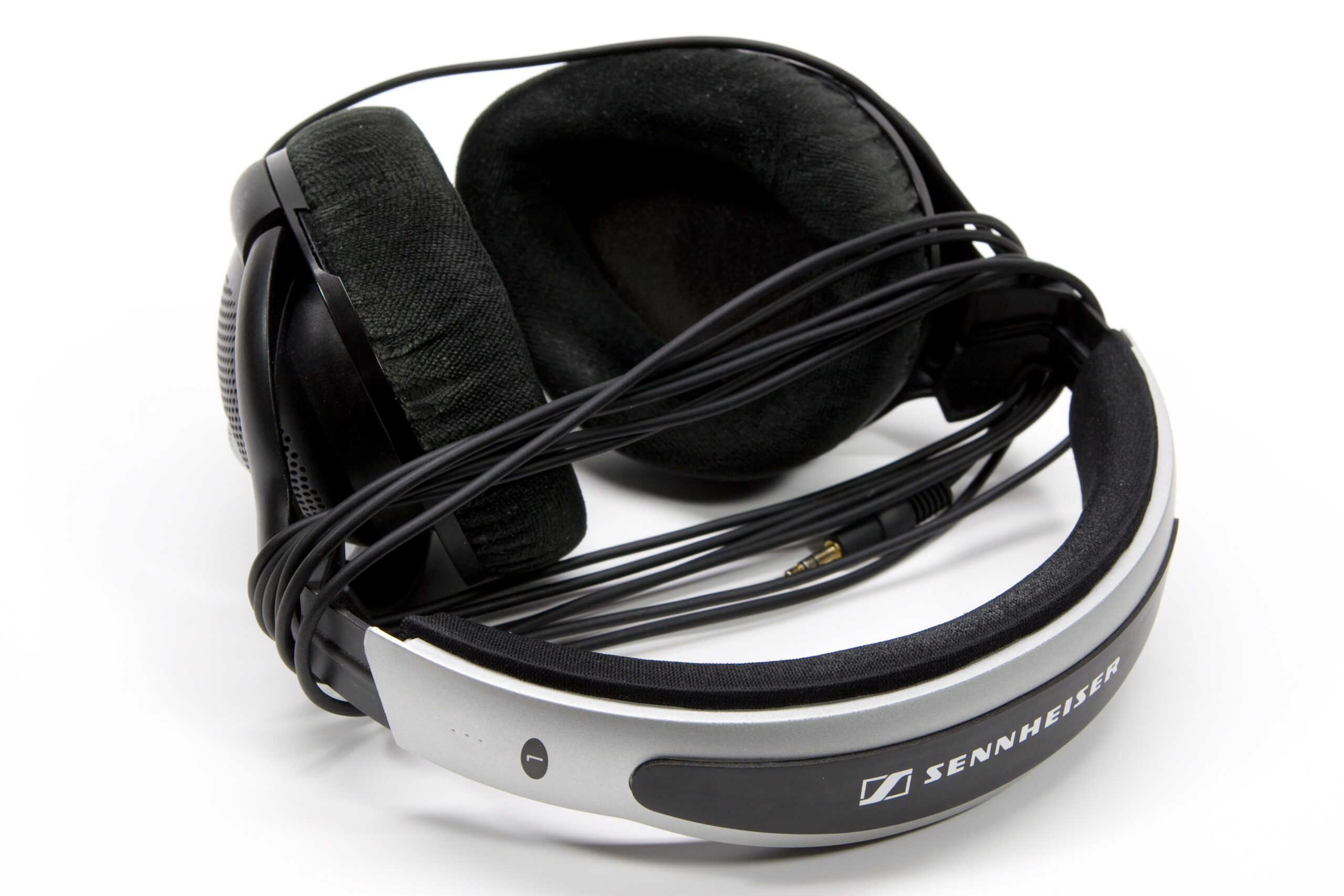
Tonight I’m using it connected it to to the Millett Hybrid Maxed that I built last year, my most-favorite Sennheiser HD570 headphones, and each of my computers, and this sounds darn good. Now I’m realizing just how low quality some of the audio recordings on my computer actually are, but better than that I can now listen to high quality audio at reasonable levels while Danielle sleeps in the next room. Yay!

I’m really enjoying this.

Yes, I realize that I could have just used the high quality line out in my Mac Pro (photo gallery retired) with the amp, but I’m also expecting to use this when at work or with computers with crap audio (eg: Dell D620).

electronicsmaking thingsmusic

Atari SIO Connectors

Controller board from an old Atari / Okidata printer. This was sent to me so that I may reuse the SIO connectors on it.

A few months ago I mentioned that I’d like to build an Atari SDrive as an electronics project. Well, one difficulty in doing that was obtaining SIO connectors. Well, thanks to [info]kurtm I now possess a controller board from an Okidata printer bearing two SIO ports. Yay! I’ve heard that the Atarimax guy will be selling connectors-only soon, but I’m not sure how true this is, so this will have to do for now.

electronicsmaking things

Smallest Part Soldered Yet

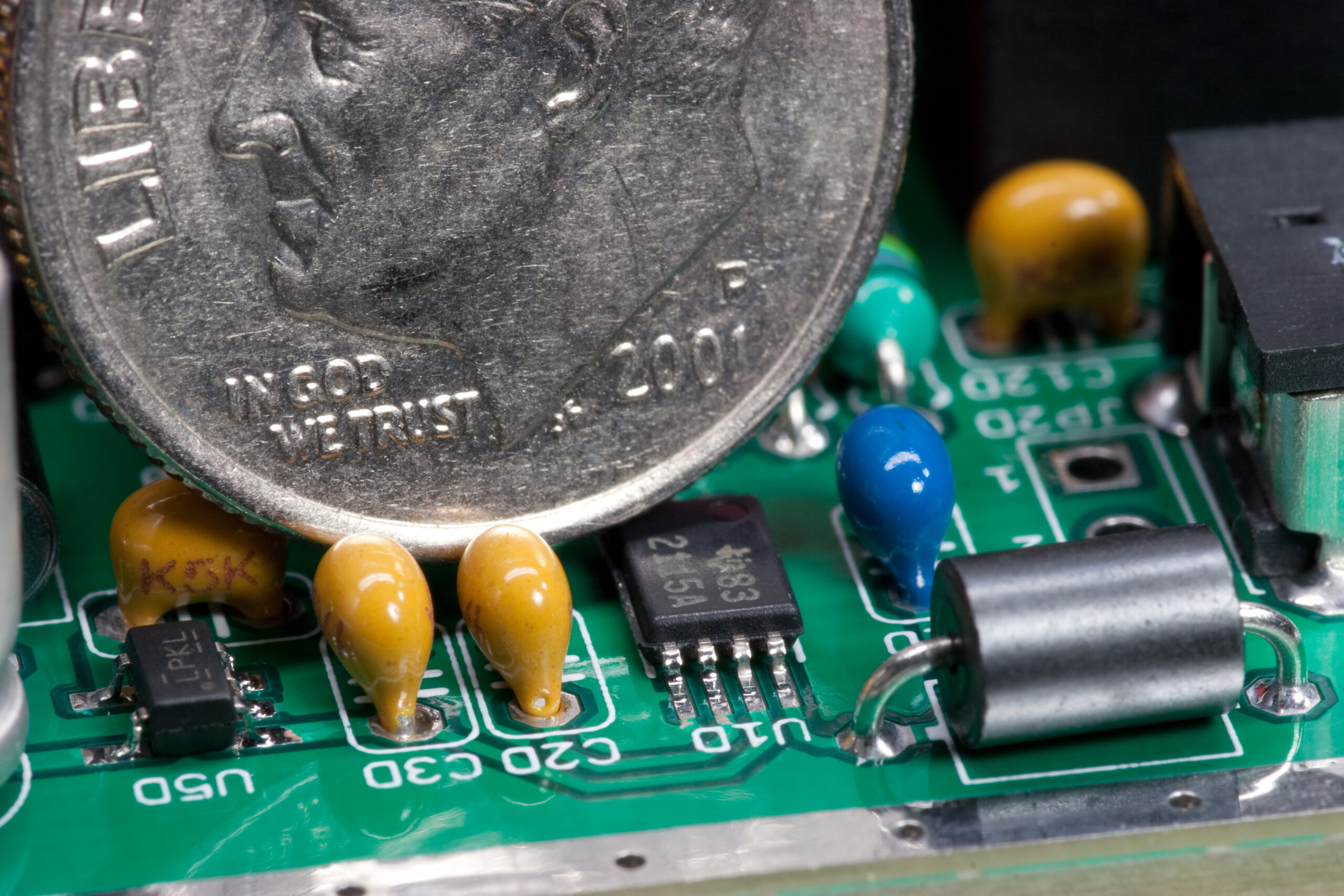
U1D, a Texas Instruments TPS2115APW compared to a US dime. This TSSOP-8 part is the finest pitched part on the board.

Since I’m in a posty mood tonight, have a photo of the smallest thing I’ve soldered to date. It’s nowhere near as small as what some folks I know have done, but I’m pretty happy with it. This part, U1D, is a Texas Instruments TPS2115APW, which handles automatically switching the AMB γ1 between wall and USB power, giving priority to USB whenever it is plugged in.

The package of this part is TSSOP-8, which has 0.65mm between centers of the pins, with the pins being 0.19mm – 0.30mm wide. I soldered it with a Weller WES51 with an ETO tip. Kester 24-6337-6417 (Water Soluble 331 Solder Wire, .025″ dia., Core Size-66 Sn63Pb37) solder was used along with a 2331-zx flux pen. Chemtronics Soder-Wick Rosin SD desoldering braid, in size 3, was used for cleanup.

Soldering was done with the iron set at 700°F. The area was coated with flux, a pad was tinned, more flux was added to that pad, then the part was placed. The iron was then touched to the edge of the pad and the part settled into place. Any slight adjustment would be performed by reheating the pad and moving the part slightly with fingers or a pin, but this wasn’t needed. I then fluxed the legs of the part and very quickly tacked each leg with a bit of solder.

The solder braid was then quickly run across the legs to pull off any extra solder. When washing the PCB after assembly the rosin flux from the desoldering braid was first removed with 99% isopropyl alcohol, then while the board was still wet it was washed with hot water.

(Click here or on the image above for a full res copy of that image.)

electronicsmaking things

Empty Bag from Digi-Key

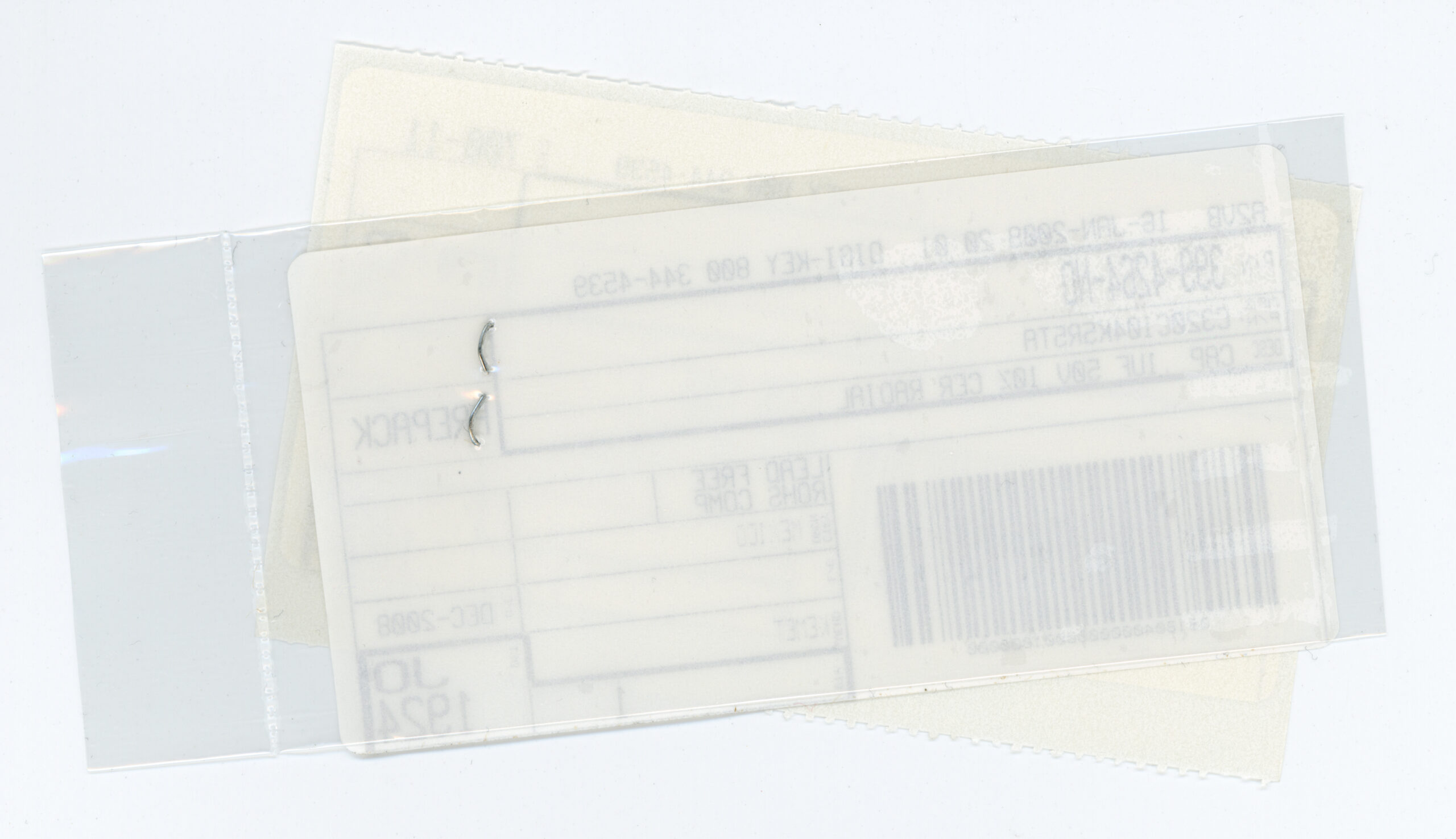
Digi-Key mis-shipped me a part. This bag was supposed to contain a small Kemet capacitor.

I’m building an AMB γ1 Modular Miniature DAC and as part of this I had to order a number of components from Digi-Key. Unfortunately, one part was missed. As can be seen above the bag was sent, but there was no part in it. At least it was only a $0.21, 0.1μF ceramic cap.

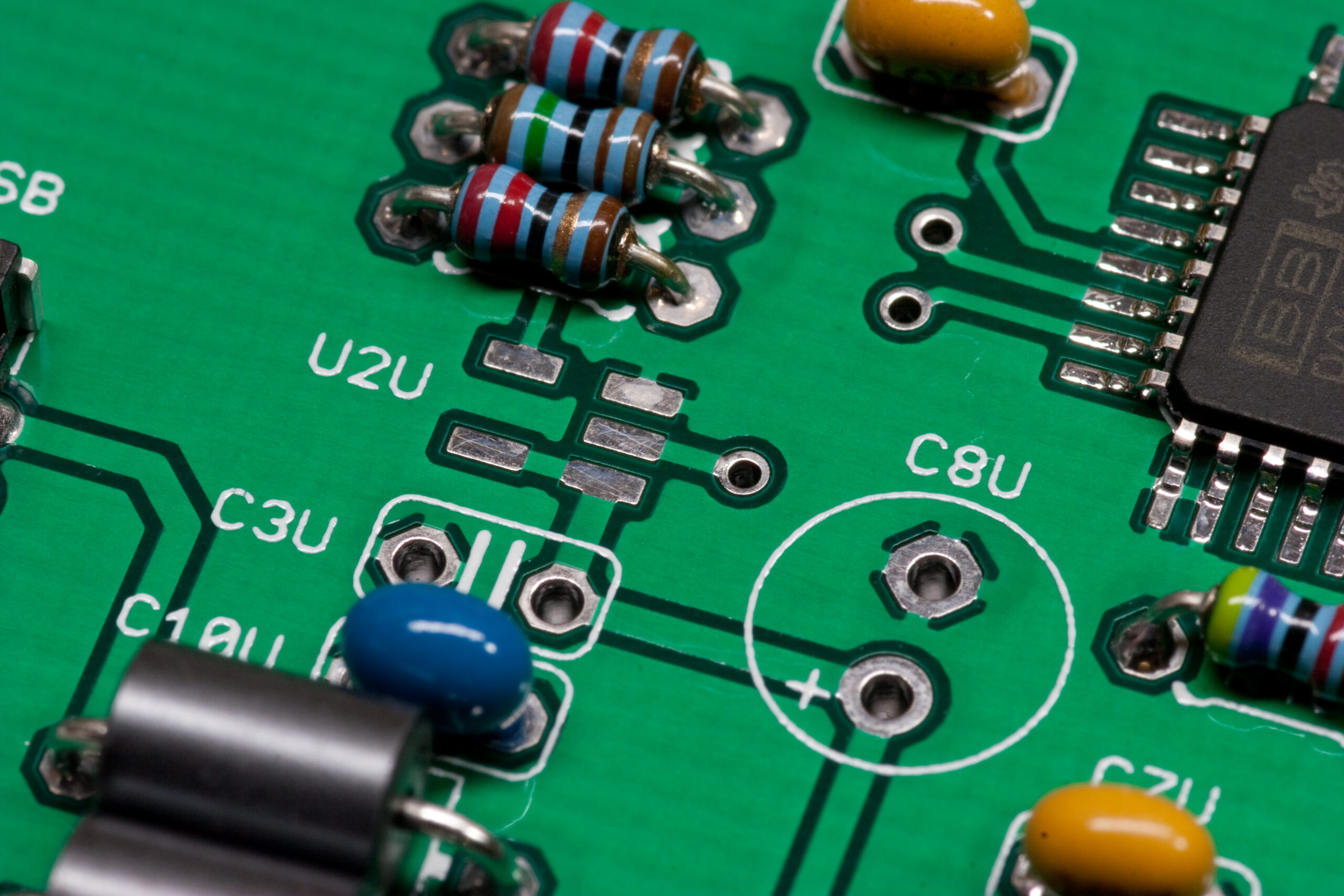
Even if I had received this cap I wouldn’t be done. It seems that I forgot to order some connectors for mating the two boards and screwed up a tiny SOT23 AND gate, so there’s now a couple other parts which I have to (re)order as well. Missing cap (C3U) and AND gate (U2U) can be seen here and the missing pin receptacles here.

On the upside, I had no problems soldering any of the SMT parts. I just put that aforementioned one in the wrong place and didn’t have any facilities for safely desoldering it. At least it only cost $0.40 or so.

electronicsmaking things

Ordering Parts is Complicated

When working on electronics projects I tend to order parts from Mouser or Digi-Key, with a preference given to Mouser because of their lower costs and my familiarity with their site. However, the experience I’m having right now with selecting parts for building the AMB γ1 illustrates the complications one often runs into when ordering a large BOM.

Here’s the assumptions I must work under:

· Mouser is usually cheaper than Digi-Key.
· Mouser often has particular parts available in smaller quantities than Digi-Key does.
· Digi-Key has a wider variety of less common parts, like (in this case) a TOSLINK receiver.
· Digi-Key has what amounts to a $25 minimum order. Mouser has none.
· Almost every part I need is available from Mouser, making it difficult to reach the Digi-Key minimum.

This, combined with a 74-line BOM, makes for quite a bit of work just selecting parts for a hobbiest device.

electronics

High Android Phone

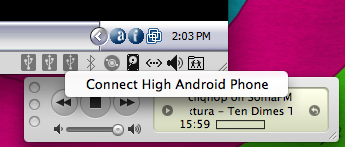
For some reason VMware Fusion identifies the T-Mobile G1 phone running Google's Android as 'High Android Phone'.

VMware Fusion, for some reason, identifies the G1 as ‘High Android Phone’ when connected via USB. OS X only sees it as ‘Android Phone’ and Vista (once the drivers are installed) sees it as both ‘Android Phone’ and ‘HTC Dream Composite ADB Interface’.

(Thanks to the generosity of a friend I’ve recently come into possession of a T-Mobile G1 phone running Google’s Android. It’s only costing an extra $20/mo for unlimited data, so I’ve been using full time since I received it. It’s really nice, and I’m sure I’ll write more about the phone, its OS, and the dev tools later.)

computerselectronics

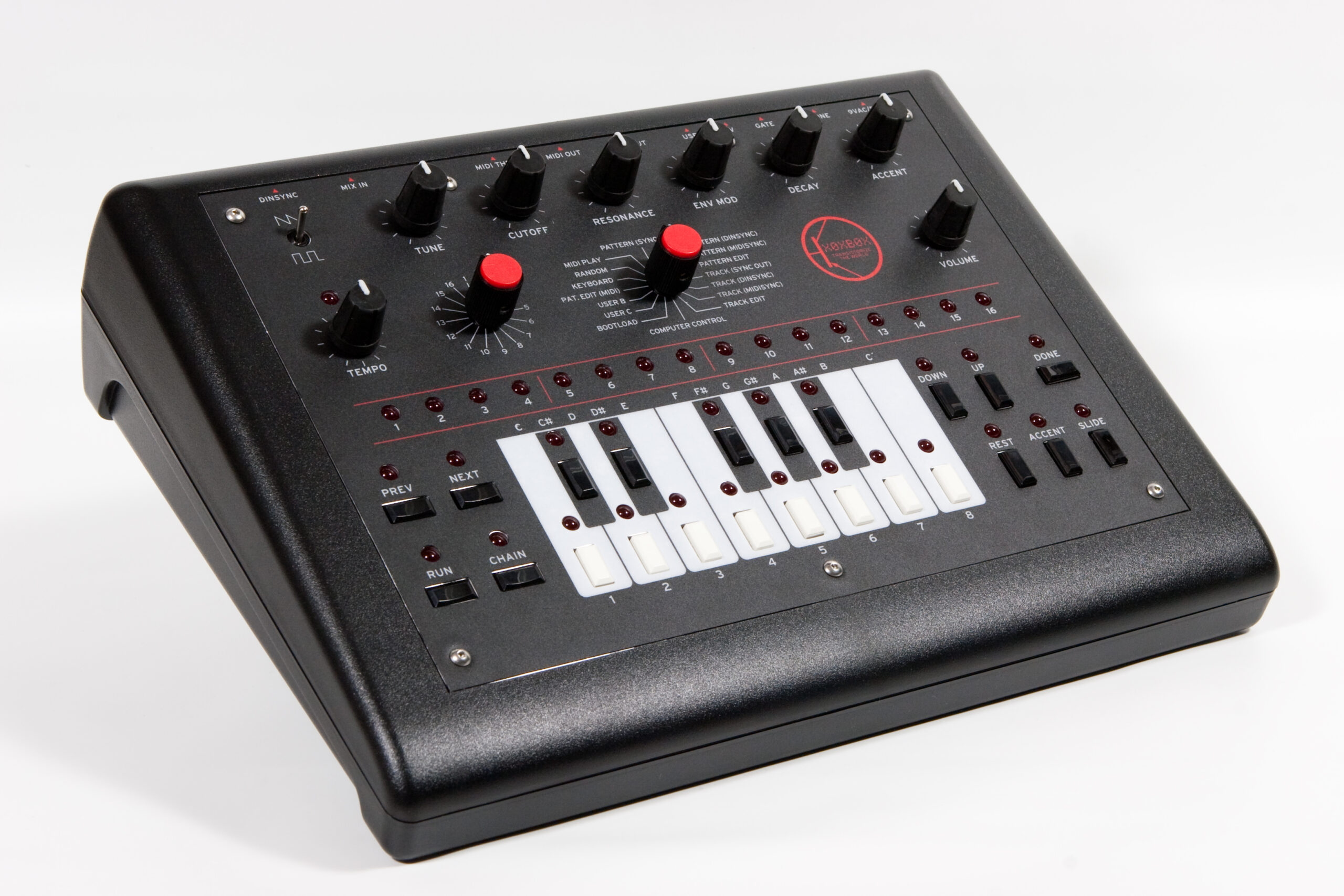
x0xb0x #888 Is Complete

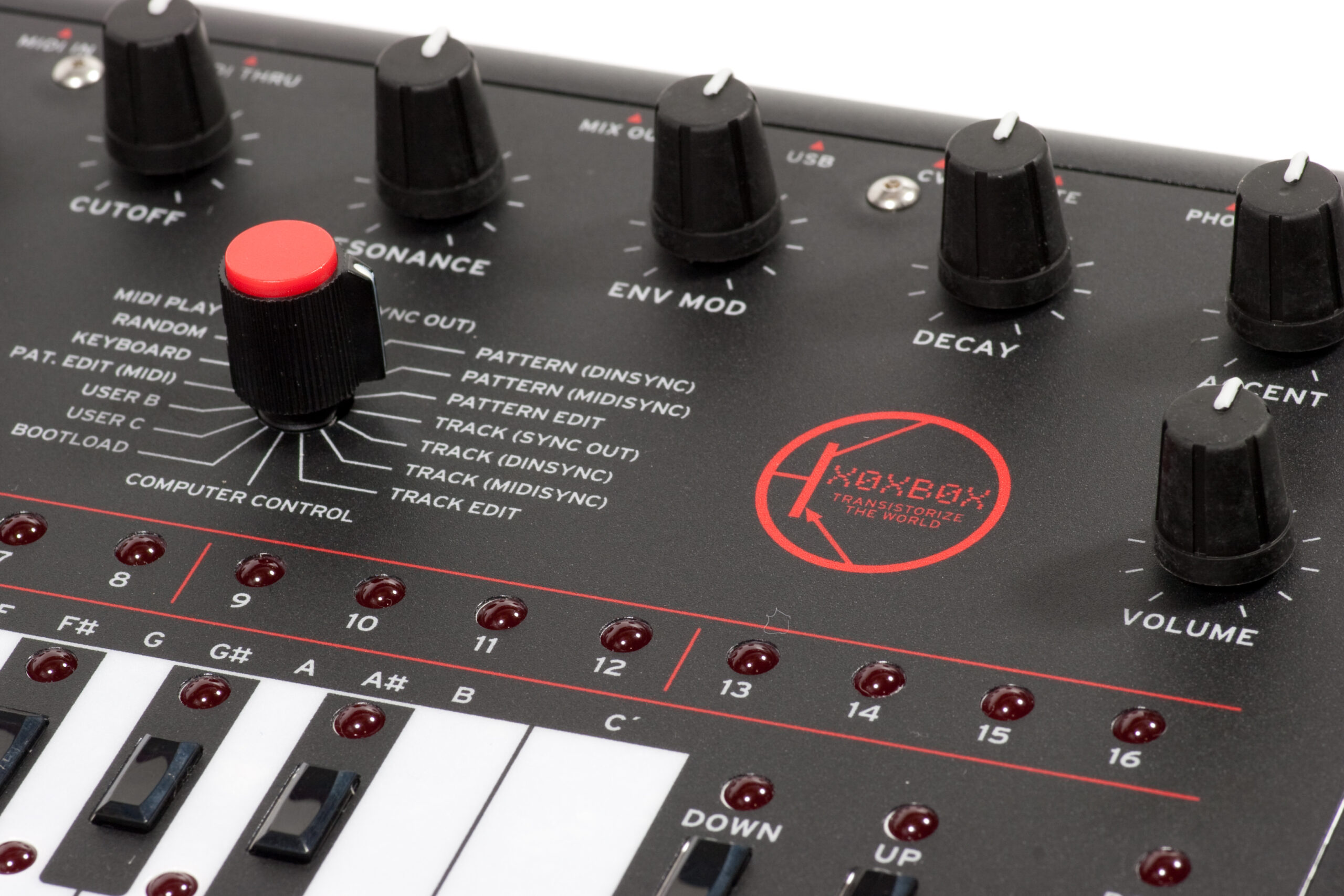
Completed x0xb0x #888 with red and black plastic bank/mode knobs.

That’s that. x0xb0x #888 (photo gallery retired) is done. Now I just have to sell it.

Part of me hopes that this is the last x0xb0x that I ever build, but not the last 303 clone. More and more ideas have been swimming around my head about making a newer, better version of something similar to, but definitely not, the x0xb0x.

electronicsmaking things

BlackBerry Curve 8320

Danielle is looking at acquiring a BlackBerry Curve 8320 with service via T-Mobile. When purchased via T-Mobile directly it costs $99 after rebate, but when purchased via Amazon it is -$99 after rebate. Yes, a negative number… Amazon has really low prices on phones, for some reason.

The intention is to sign up for the phone and then cancel the data plan, leaving her with 600 anytime minutes, unlimited nights and weekends, and a 400 text minutes per month for $39.99.

So, that gets to my question… I’m curious if any of you have any opinions about this phone. BlackBerries in general seem to be pretty decent devices, but do any of you have an opinion on this one?

If you are wondering why she would get a phone generally designed for data but without a data plan, the intention is to have something which meets X requirements:

· Doesn’t flip or slide open, as these mechanics and their associated flexible PCBs / cables tend to fail before the rest of the phone.
· Has actual tactile switch / electromechanical buttons, and not touch-surface buttons, as these tend to become less (or overly) responsive over time.
· Has a full keyboard, to facilitate text messaging.

electronics