nuxx.net
Making, baking, and (un-)breaking things in Southeast Michigan.

Category making things

Electrical Design Complete

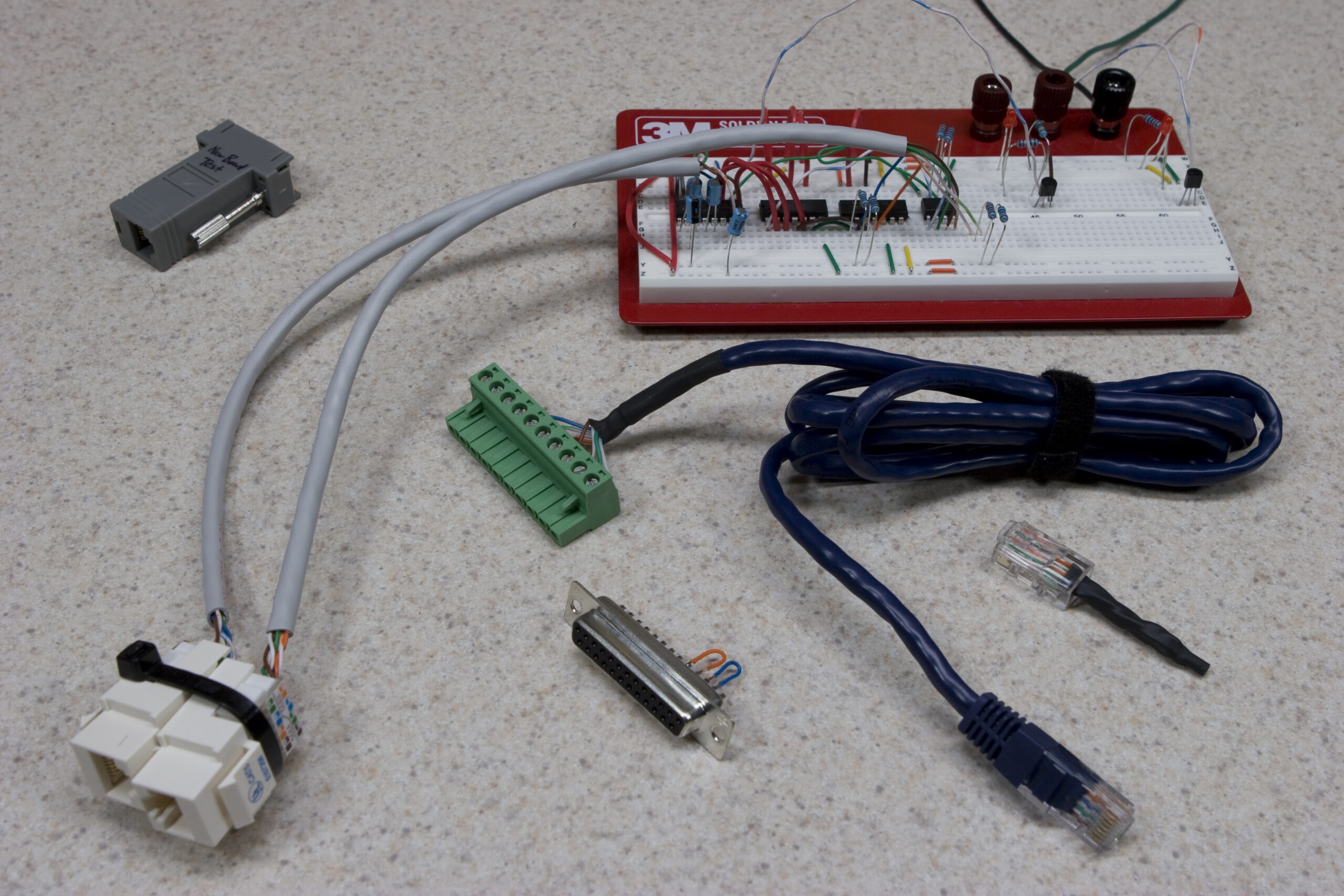
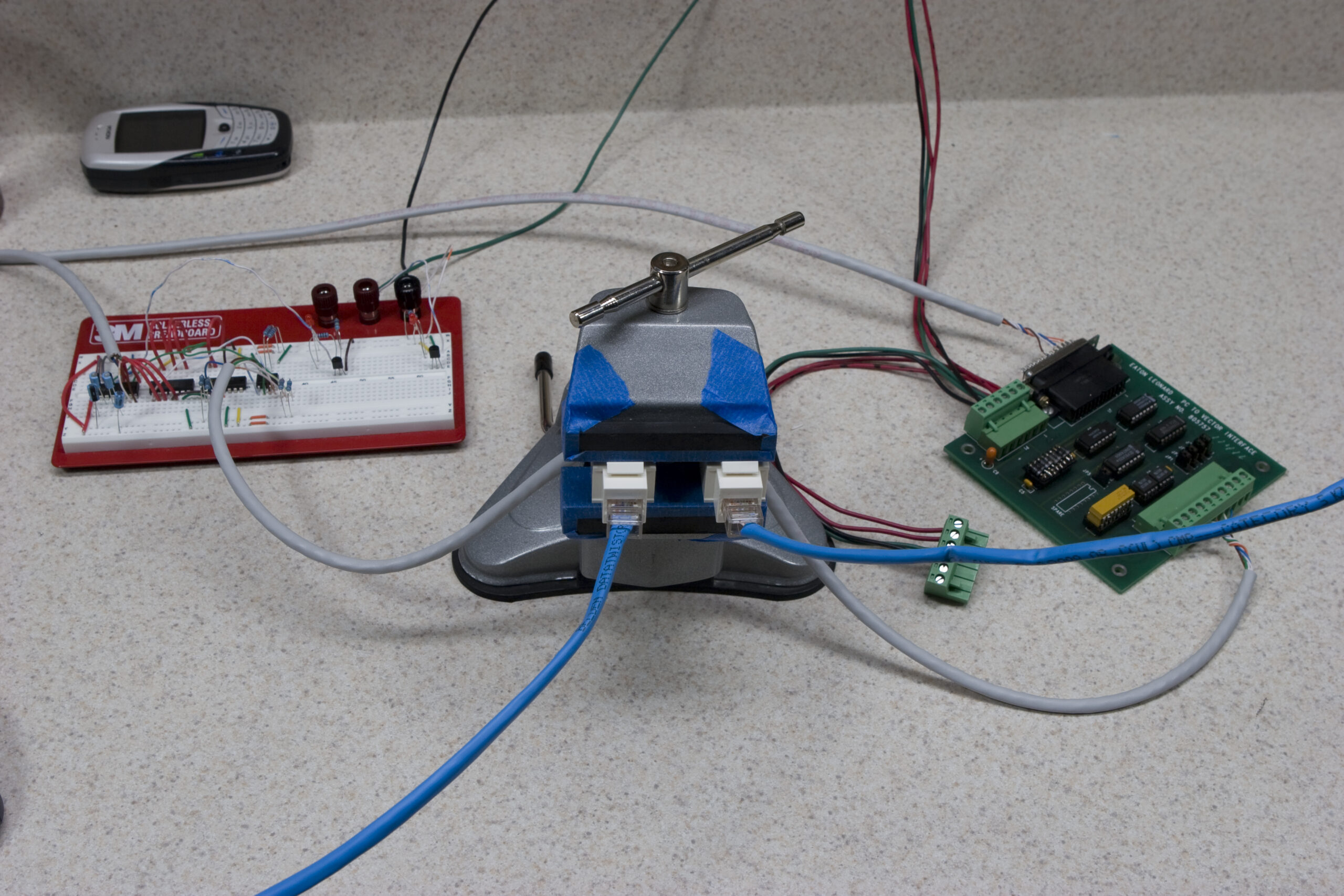
Breadboard circuit and some adapters.
(Click for more photos of this project (photo gallery retired)…)

Well, there it is. The final breadboarding of the RS232 to Eaton Leonard Level Shifter that I’ve been working on. On the breadboard there is the complete circuit, including current reversal protection, but with only one of the indicator LEDs. I ended up changing to using BC557 transistors for turning the LEDs on and off, because the FETs I was originally looking at were leaking current through even when off. I only had one BC557 here, so I just put together one of the circuits and then tried it on each of the lines. It seems to work fine, blinking with data, etc. Its activity should match that which one would see on a PC if using software TX/RX/RTS/CTS activity indicators.

I also played around with sending data through my board to an original Eaton Leonard one, and over a short cable run I had no retries when sending a DOS 6.22 install floppy image at 19.2k via ZMODEM between two HyperTerminal sessions. Since the actual device in production will run somewhere around 3100 baud, this should be good.

I made adapters so that I can easily plug a piece of CAT5 of arbitrary length between the two boards, so I can try to intentionally create unfavorable conditions. Some initial testing stringing an old piece of CAT5 around three fluorescent lamps didn’t show any immediate errors. I’ll do more in-depth testing with this setup over the weekend.

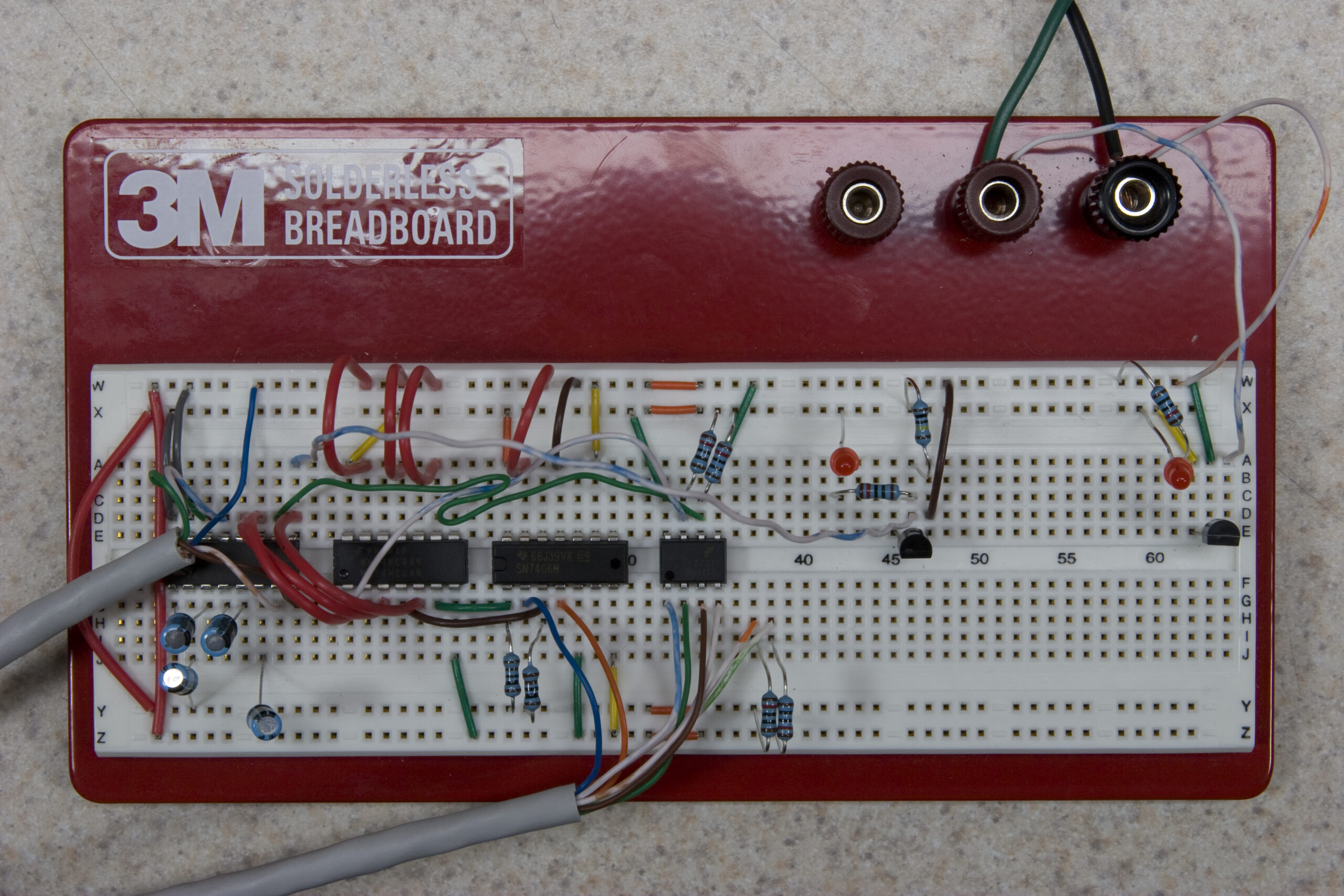
Finally, here is a photo of the stuffed breadboard itself, as I tested it. Now all I have to do is verify the footprints of all the parts I’m using and lay out the PCB. Doing that is fun, and kinda easy. Then it’ll be production time.

electronicsmaking thingsmoved from livejournal

Worky worky worky…

After feeling kinda crappy about my current project last night I ended up going to bed and laying there for a while thinking about things. As a result of talking to a friend online about some electronics stuffs, I decided this is what I need to do:

Breadboard the whole damn thing, so that changes and new features are easy to implement, and I can work around the inverted data problem more easily. It really is the “proper” way, as opposed to what I did before: come up with what I think should work and spend time hand-etching a PCB.

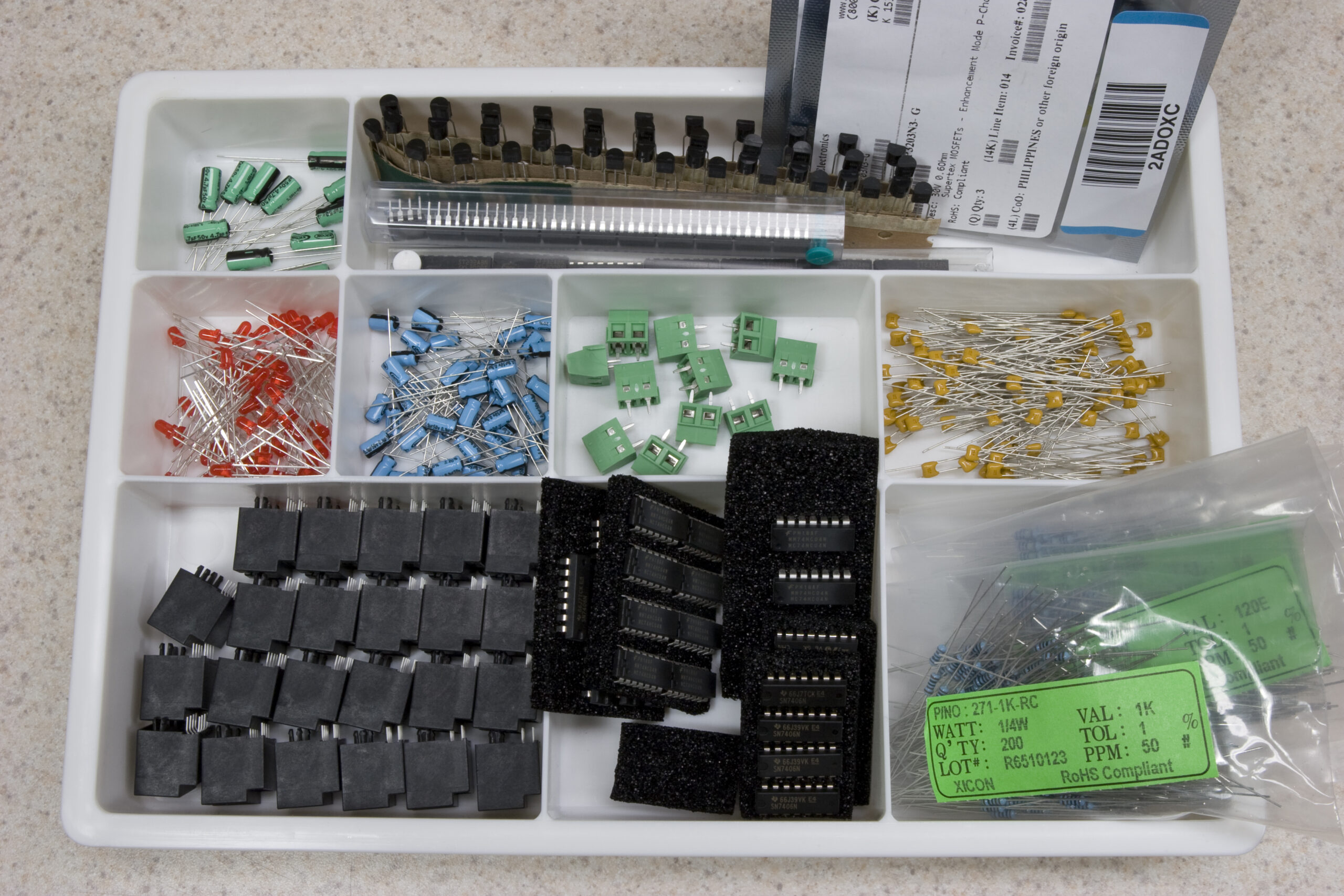
So, today I went ahead and ordered a batch of new parts, including some I’ll need for assembling the final boards, some I want to try (different FETs, dual optoisolator) instead of the current design, and a few other things. When the parts arrive I’ll breadboard it all, get it working, ensure that my schematic matches, then order the prototype boards.

That same friend also helped me out a bit with the use of FETs for current reversal protection, triggering LEDs, and a few other things. That was really, really helpful.

Advanced Circuits credits one back the price of bare-bones prototype PCBs (no soldermask or silkscreen) when production boards are ordered, so this should work out well. I also won’t have to deal with etching a board by hand.

electronicsmaking thingsmoved from livejournal

x0xb0x #496

Yay! x0xb0x #496 is done. I had a bit of a problem with the MIDI In circuit, requiring me to replace R16 with a 120Ω part, because its original 100Ω part wasn’t causing the MIDI In line to the CPU to be flapped properly.

electronicsmaking thingsmoved from livejournal

Magic Skin

My skin being less resistant due to metallic enhancement.

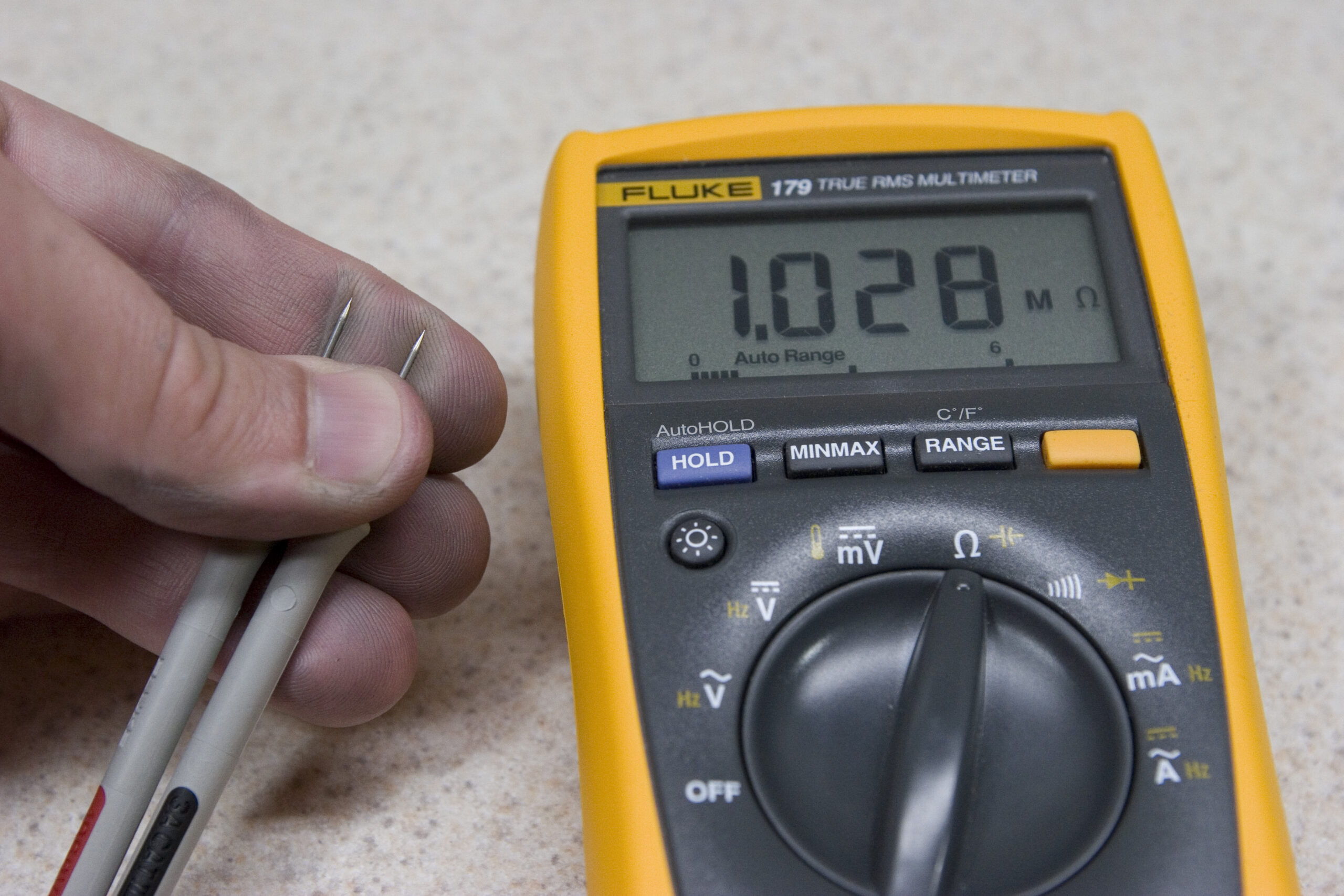
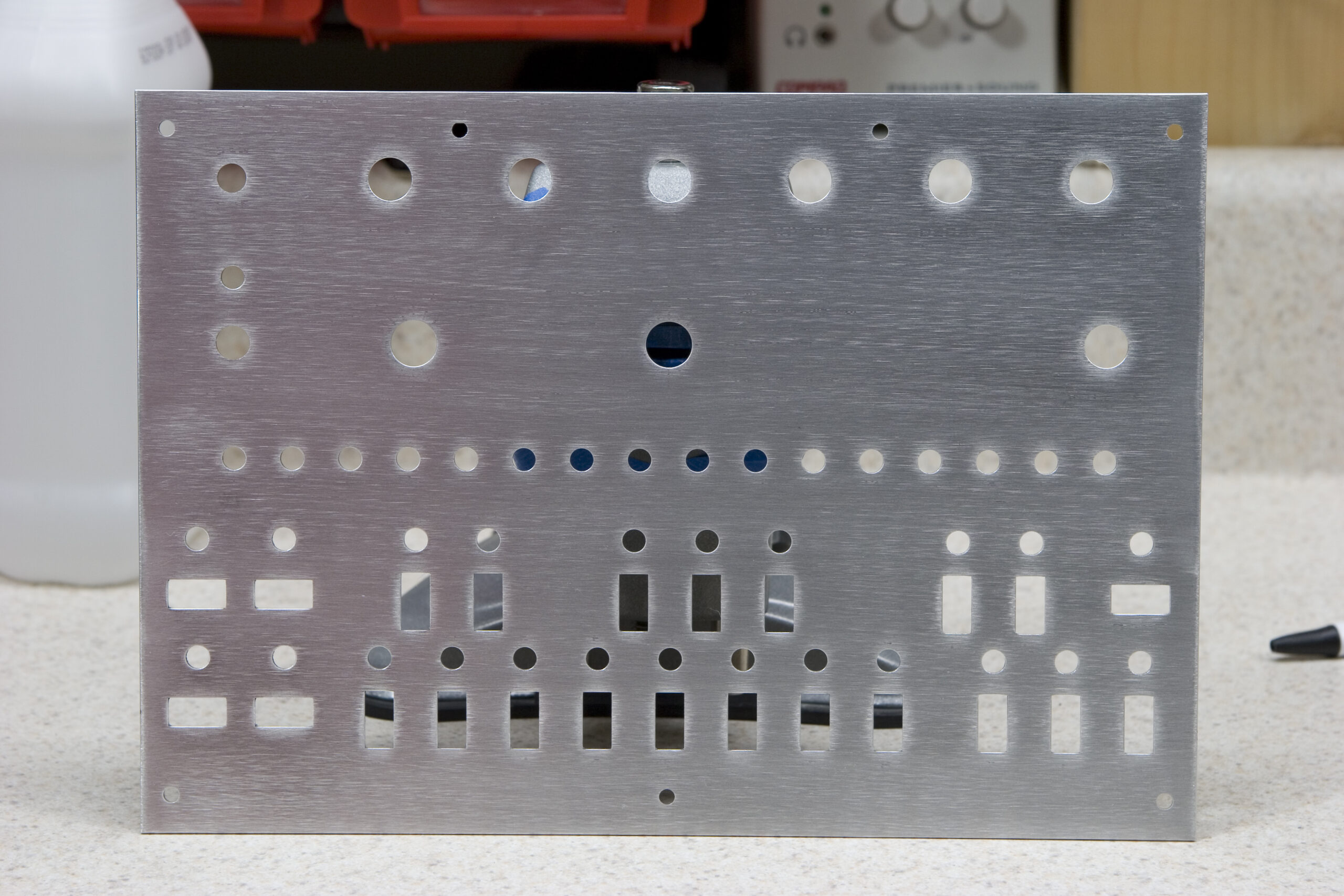
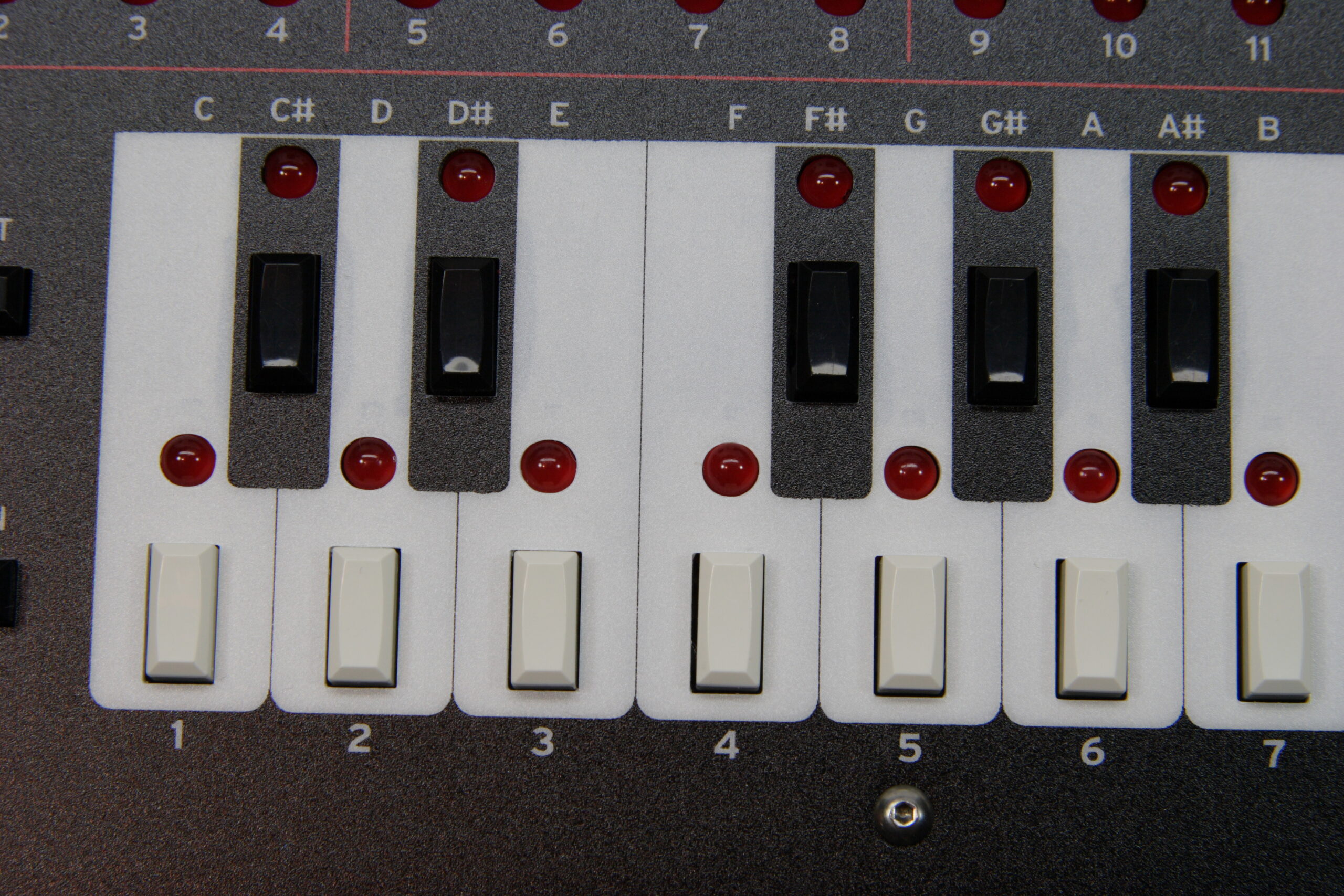
After wet sanding the front panel of my second x0xb0x (in order to ensure that none of the original labeling bleeds through) I found that, per usual, the hand I used to keep the piece of metal from sliding around was a dull grey color. That color comes from the aluminum dust ground off the plate embedded in my skin.

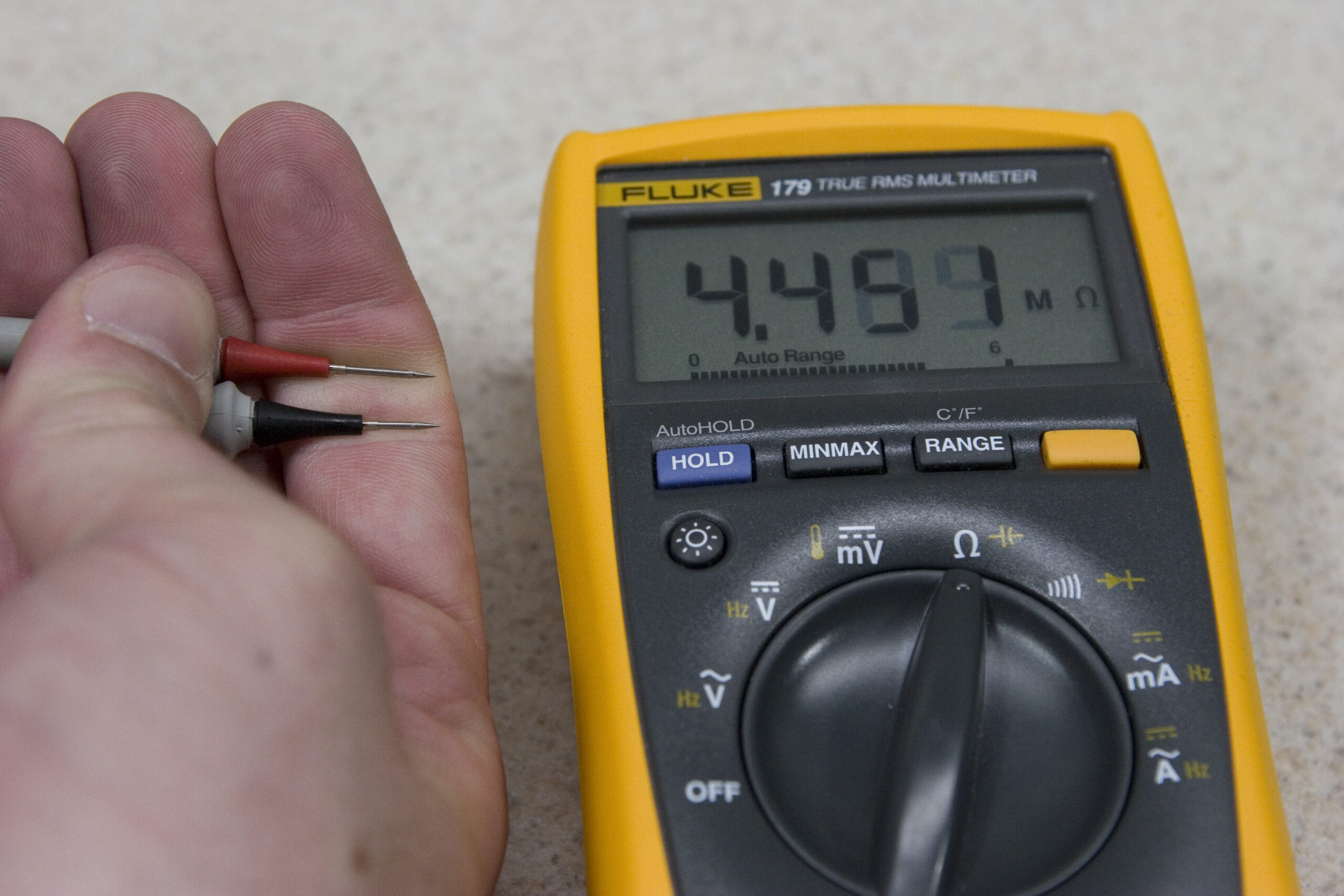
Knowing that there was metal in my skin made me grab the multimeter and see if that part of my skin was more conductive than the other, less metallic hand. Well, as expected, it was. As you can see above, the first finger on my left (metalized) hand provided 1.028MΩ of resistance. The same finger on my right hand, which was also washed a few minutes prior with the same soap, gave a reading of 4.451 MΩ.

electronicsmaking thingsmoved from livejournal

Millett Hybrid MAX – Part 2

There. Another ~$150 later and I think the rest of the parts for the two Millett Hybrid MAX headphone amps have been ordered. I’m fairly certain that everything has been paid for and everything is on the way.

Yay!

(No, this doesn’t include enclosure design nor input circuitry, but that’s okay…)

electronicsmaking thingsmoved from livejournal

Millett Hybrid MAX

Well, the PCBs from the group buy, MOSFETs (IRFZ24N /IRF9Z34N complimentary pair) and high-quality pots from AMB audio shop, and 7-pin PC mount sockets from TubeDepot have been ordered.

I still have to source some appropriate tubes (probably 12AE6 or 12AE6A, likely on eBay) and place the order for the bulk of the parts from Mouser. But the difficult things have been selected. :D

Soon and I will be on our way to completing some of the Millett Hybrid MAX headphone amps with MOSFET-based output stages.

I’m thinking I’ll follow Matt’s lead and mount mine on some sort of wood platform, surrounded by a cage. I’ll probably also incorporate an iPod dock / charger so I can use it where I use headphones most; on my desk at work.

UPDATE: Five NOS GE 12FM6 tubes purchased via eBay for US$20.50 shipped. These have a slightly lower amplification factor than the 12AE6/12AE6A tubes which most people seem to use for them (13.5 – 10 vs. 16.7 – 14.3), but I don’t think this will be an issue.

Now to order the first go-round of parts from Mouser, Digi-Key, and wherever else is needed to ensure that all required parts are in stock. Oh, and an FT232BM to replace the one I stupidly cooked last night.

electronicsmaking thingsmoved from livejournal

Overheated!

Arraugh. I think I overheated the FT232BM in the x0xb0x. That is, the surface mount USB to RS232 chip which is used to update the firmware and such.

I had a really fine screwdriver tip (about the size of a needle head) and the iron was turned way down, but I had a little trouble soldering it, and when I was done it didn’t work. I think I need to get another one (at $4.95/each) and try again with the 1/64″ conical I’d used for other SMT work. <sigh> Unfortunately that also means desoldering the current part… At least I can do that. (Worst case I’ll just cut all the legs and remove them once at a time.)

Other than that, the x0xb0x is ready for its first flux removal, before I install the LEDs, pots, tactile switches, rotary encoder, rotary switch, etc. Then after I complete the rear panel it’ll be done. Oh, and once I fix the damned USB stuffs. It’s not needed, but if I’m going to sell it, it has to be working.

electronicsmaking thingsmoved from livejournal

x0xb0x Redux

I think I’ll start building my second x0xb0x tonight.

This one has red PCBs, and I have all the parts I need to build it at home, including one final piece of custom artwork.

The only thing which will take a while is checking out the parts to be sure they all shipped, drilling the hole for the power switch, and painting the rear panel.

electronicsmaking thingsmoved from livejournal

RS232 to Eaton Leonard Interface Prototype

Completed Prototype PCB

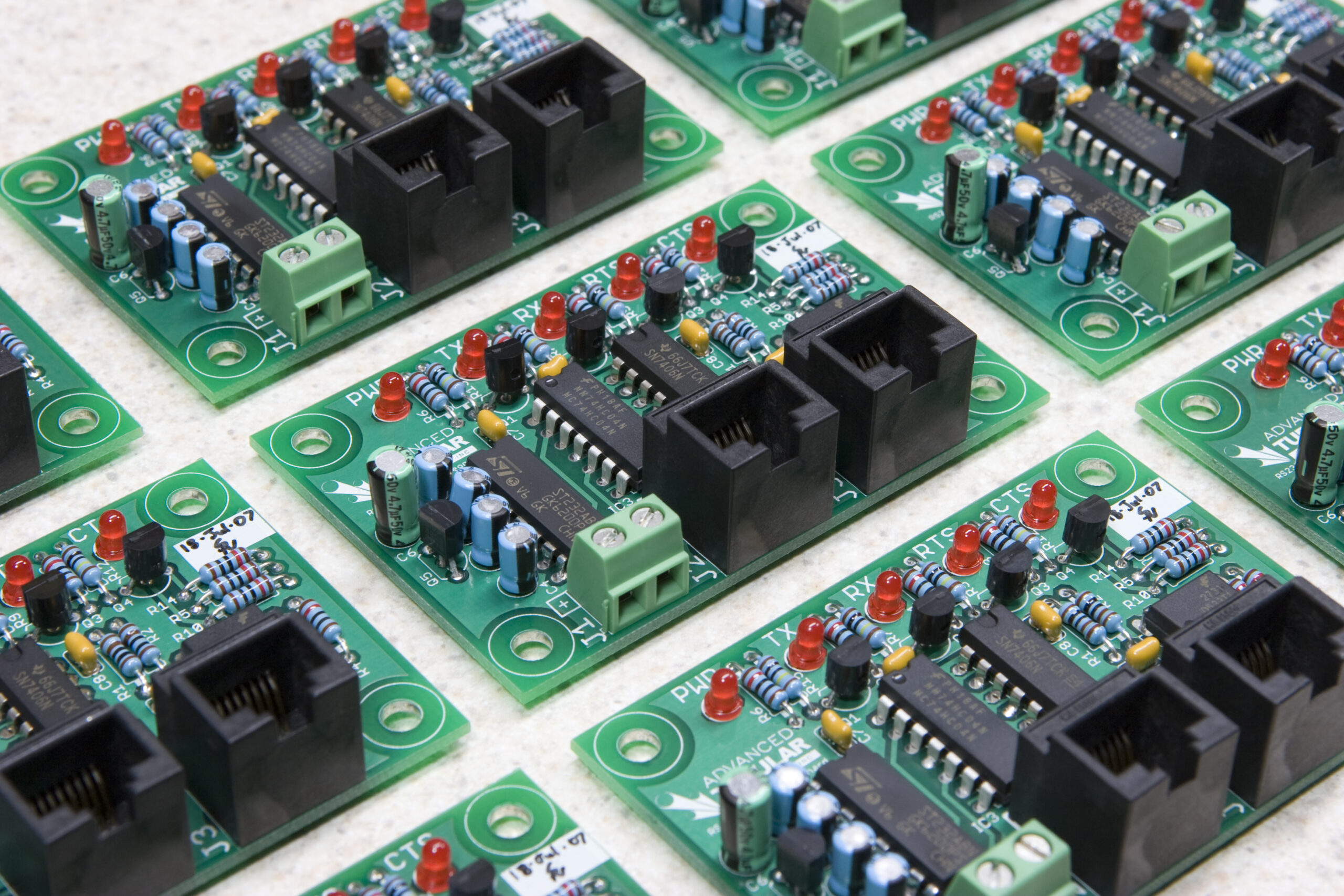
Well, after about five hours of working this evening (after laying out the board in free time at work) I’ve finished the prototype PCB for the project I’ve been working on for a friend’s company.

As with the last few boards I’ve done, I etched it in the laundry room, as the laundry tub and large flat surface makes for a good place to work. (Photo of PCB being exposed.)

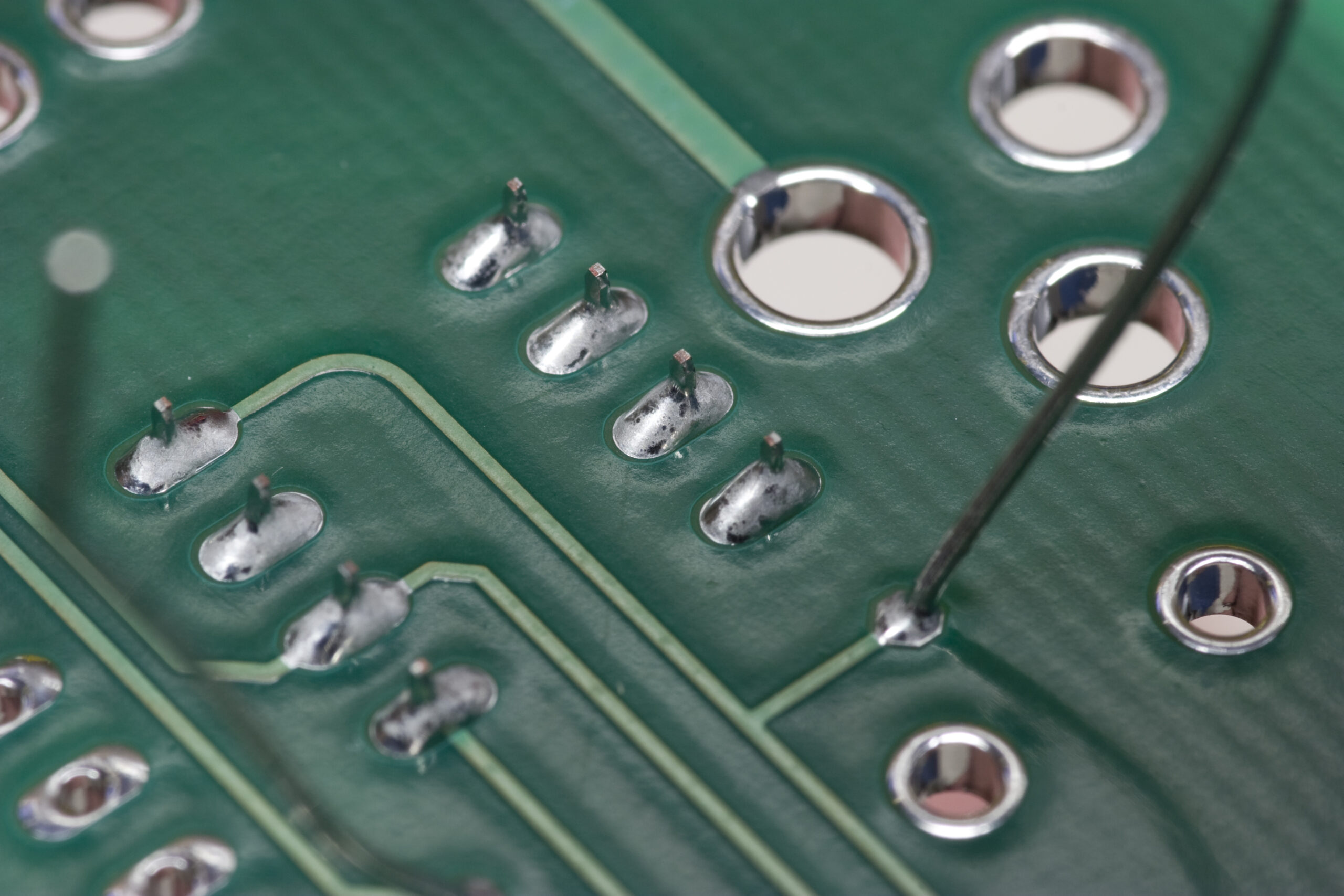
Then I drilled the board, breaking more PCB drill bits than I like to. Next came manual bridging of vias (which is a really awful chore), and then finally assembly. After I had it put together I powered it up, probed around for shorts, and generally confirmed that it wouldn’t explode.

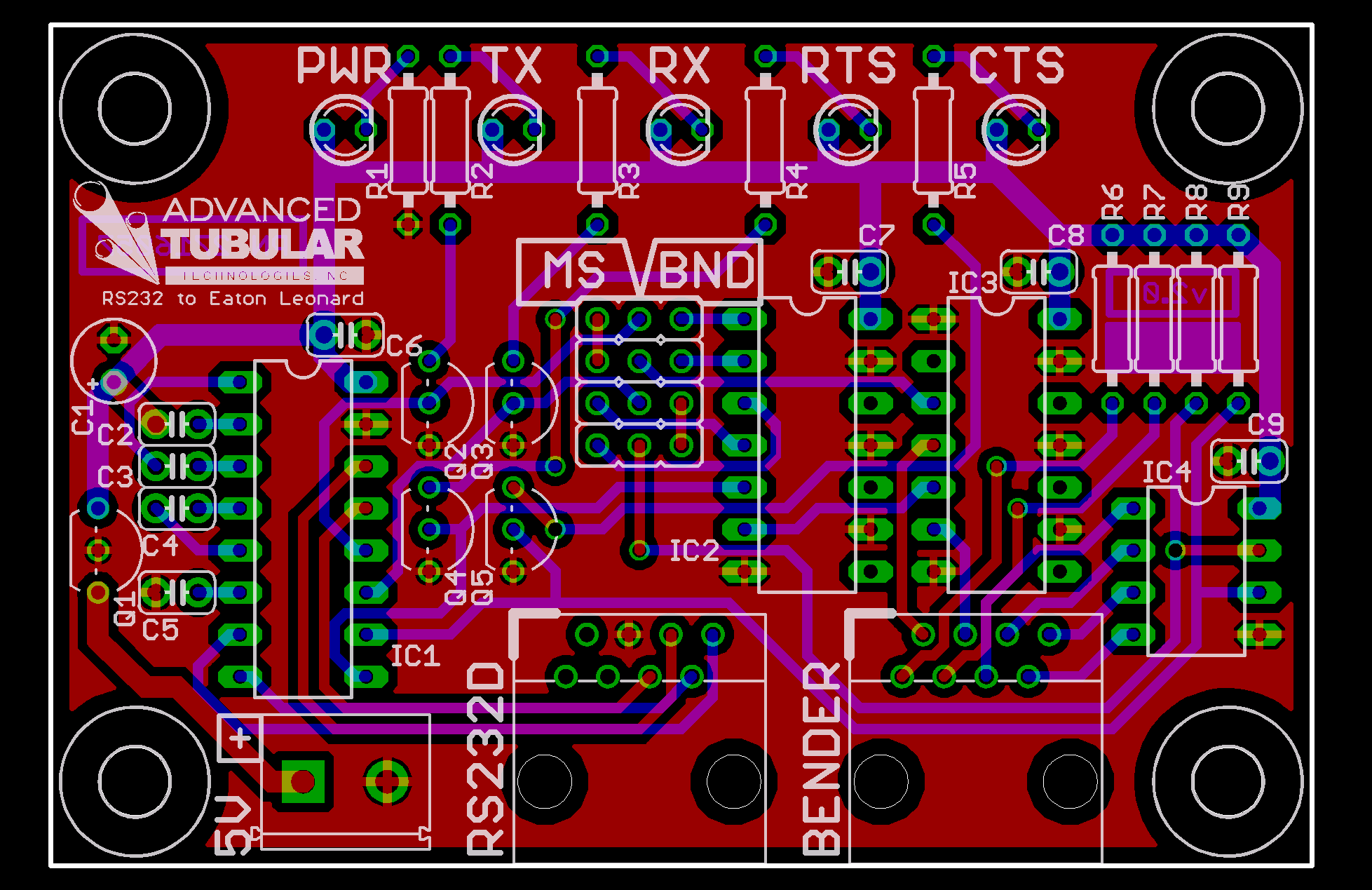
Tomorrow I’ll confirm that the pinout of the board is as expected, and hopefully I’ll be able to deliver it at lunch time. If it works I’ll (hopefully) have some production boards made for them. I stayed late at work avoiding traffic and worked up a first draft of a mostly-SMT board layout, fitting in ~30mm x ~85mm. If I end up producing these boards I can see the final product being something like this, should I choose to do it SMT.

Hopefully tomorrow I’ll get to unpack the new baking stone, the new x0xb0x kit, and maybe just relax a bit. For now it’s bed time. Goodnight.

electronicsmaking thingsmoved from livejournal

HMLibeartor v1.0 PCBs Have Arrived

HMLiberator v1.0 PCB complete, except for cables.

Well, the HMLiberator v1.0 PCBs arrived today from Advanced Circuits. (Top and Bottom at 600dpi.) They came in a rather large box which can be seen in the photo in this post. The size of the box seemed to matter, though, as not only did it contain the wrapped stack of PCBs, it also contained a t-shirt, sticky notes, and a bag of microwave popcorn.

I got the first board fully assembled, with the SMT stuff taking a bit longer than normal, although I found that it wasn’t too bad. Things must have gone at least partially right because once I connected the programer to do a test-write with some random copy of the firmware it wrote successfully.

Since Danielle just got here we’re going to grab food and watch a movie. Tomorrow I’ll test the voltage regulator, add the header cables, and connect it to the car for the first time. Hopefully it’ll work. :)

automotiveelectronicsmaking thingsmoved from livejournal