nuxx.net
Making, baking, and (un-)breaking things in Southeast Michigan.

Category making things

SCPH-1080, Meet Saw Blade

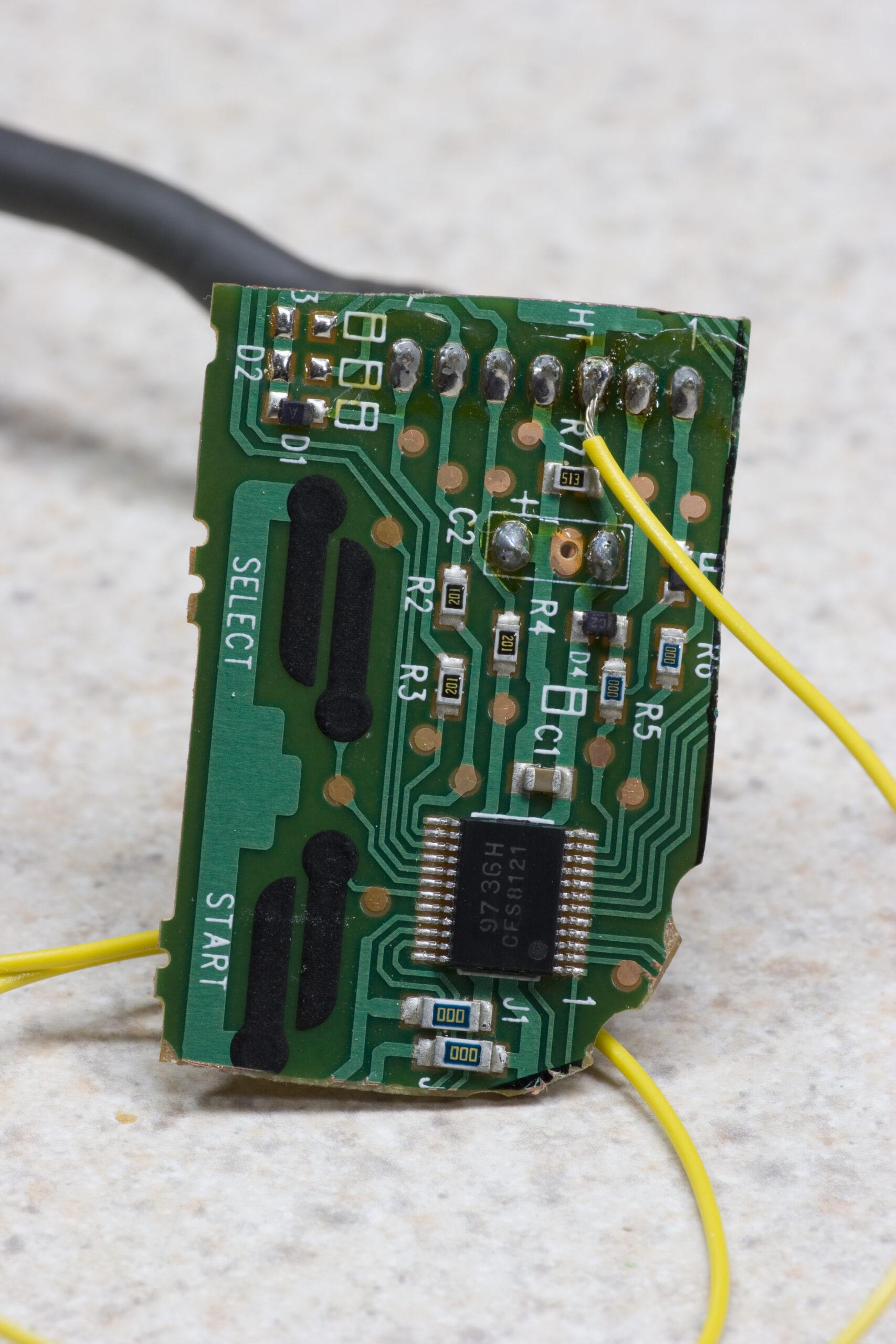
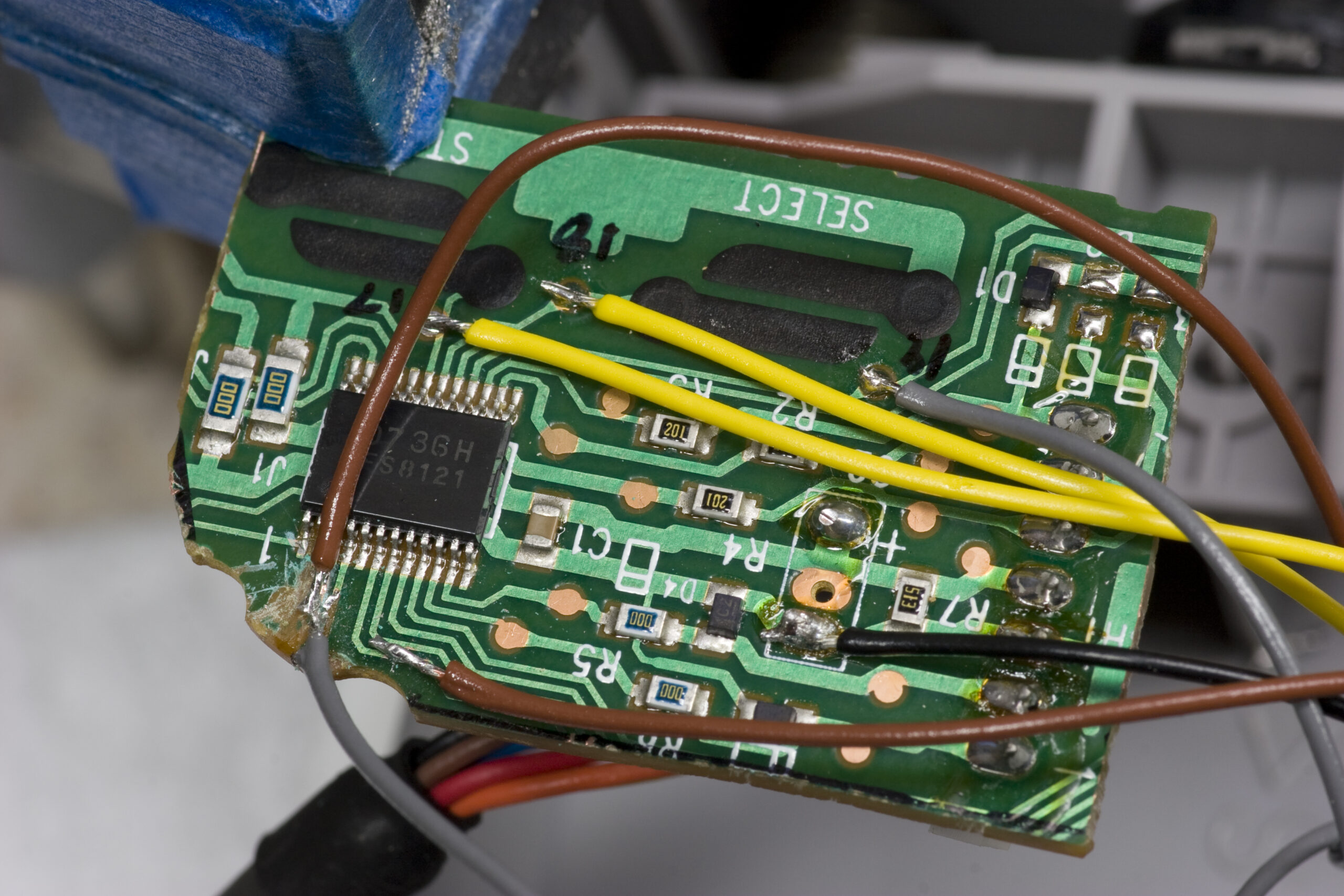
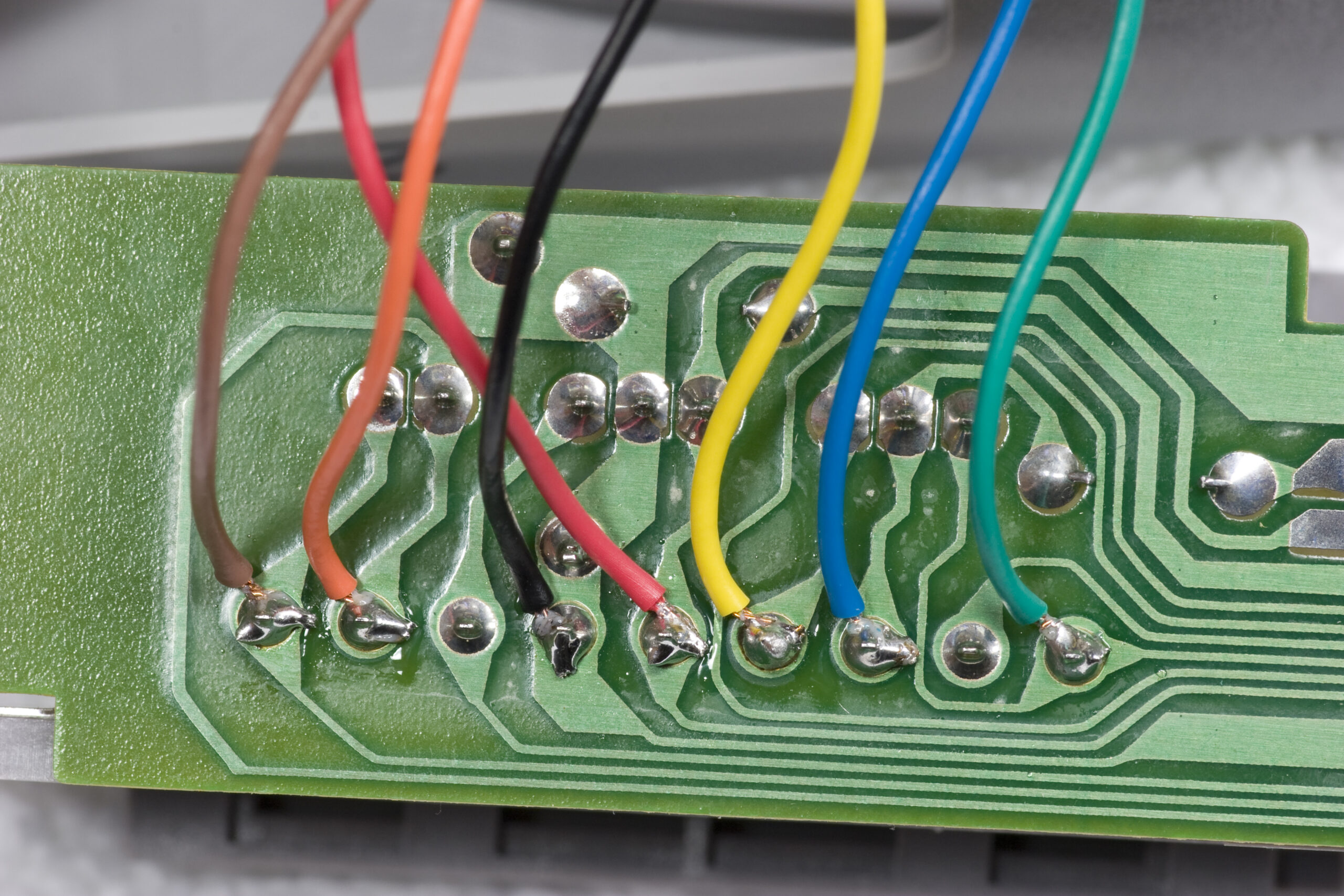
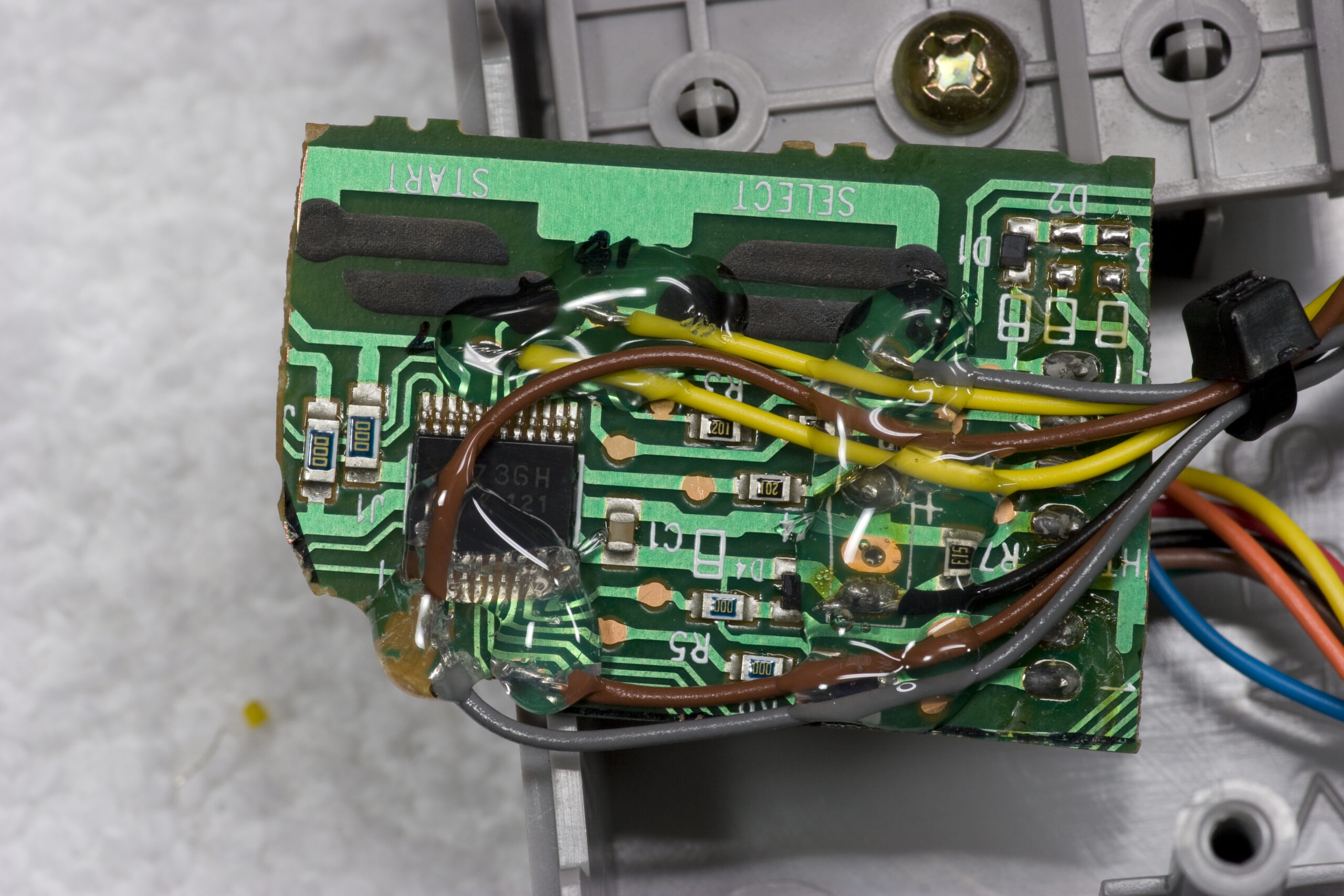
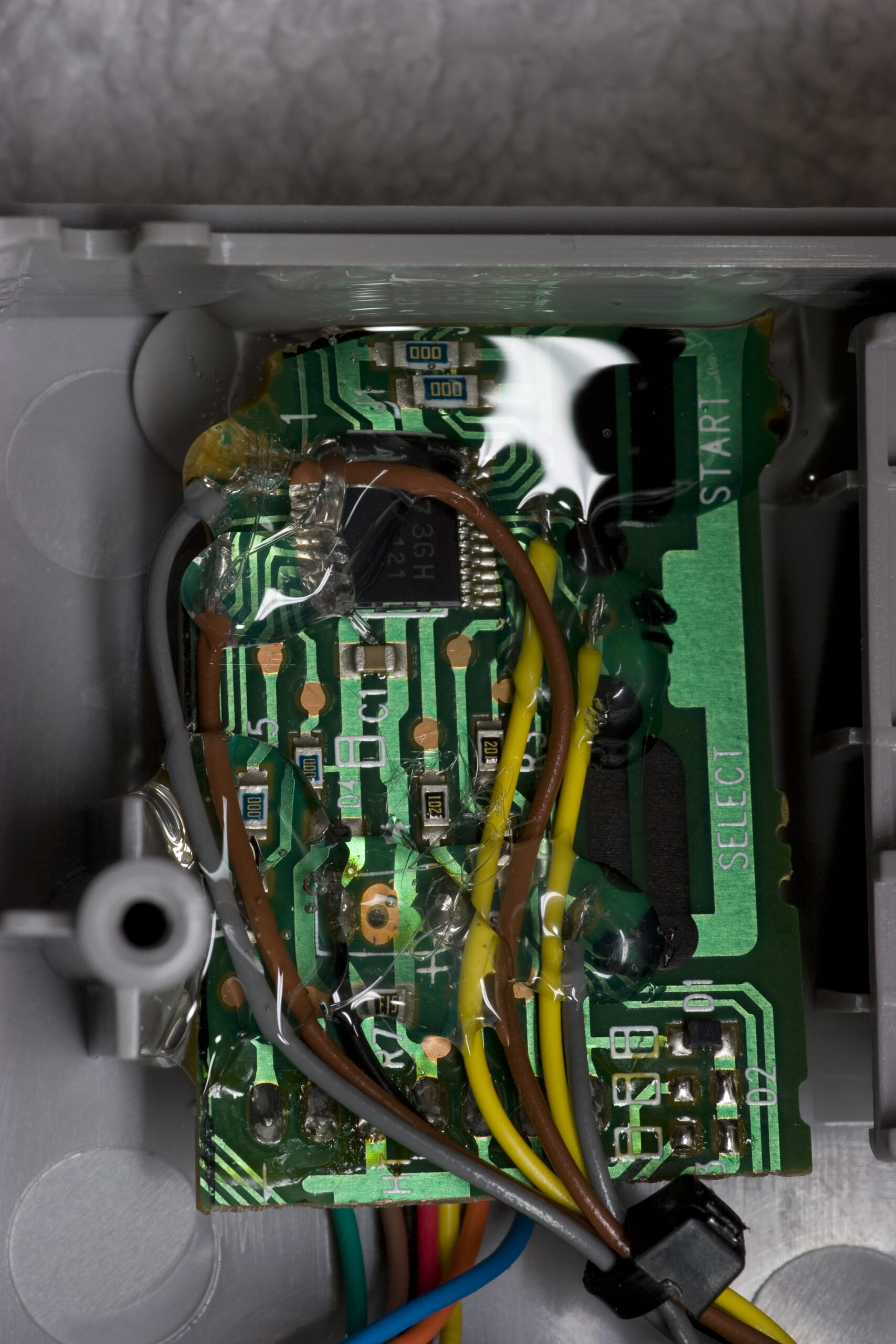
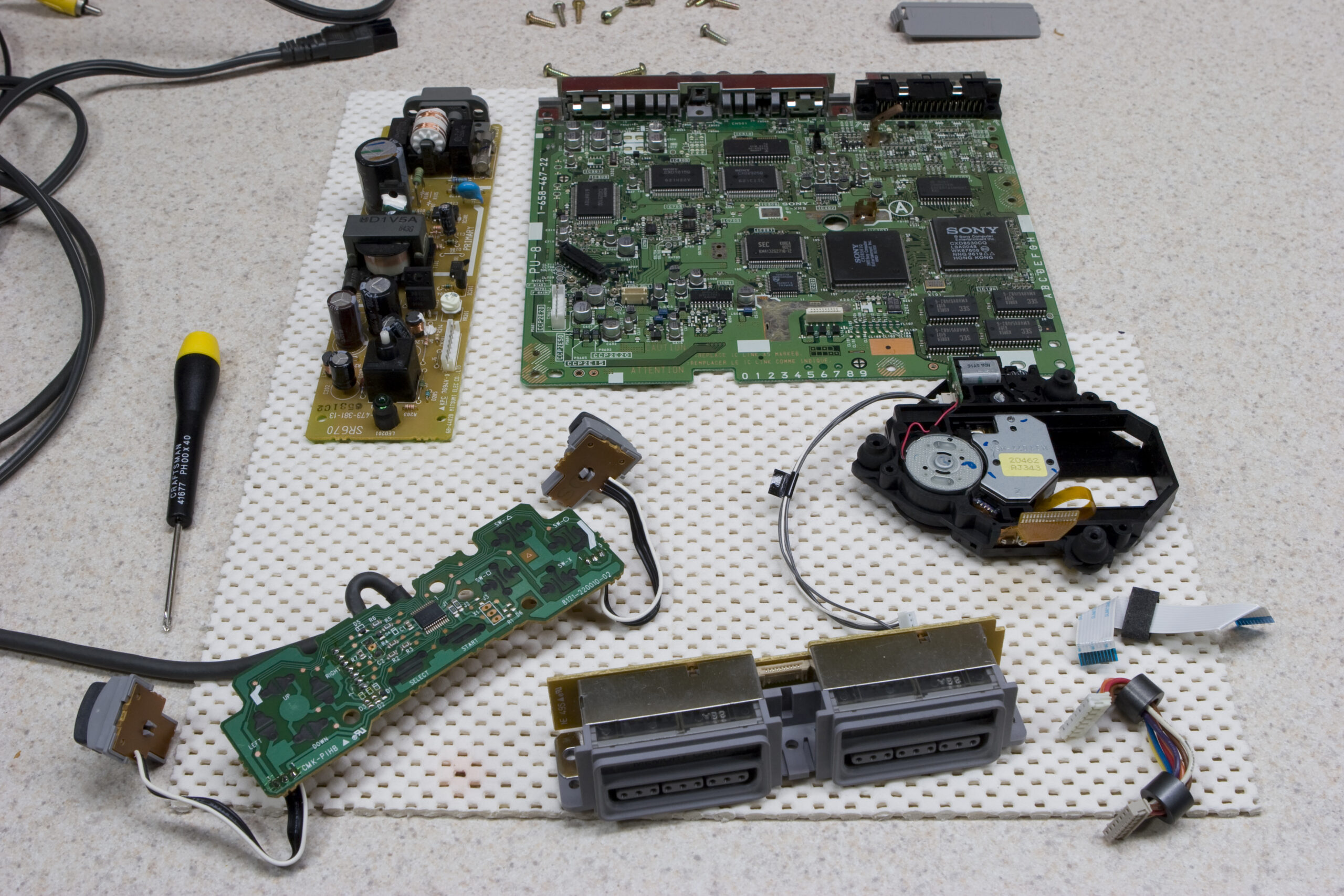
SCPH-1080 Playstation Controller PCB, Cut To Size, With Test Wire
(Click for more photos…)

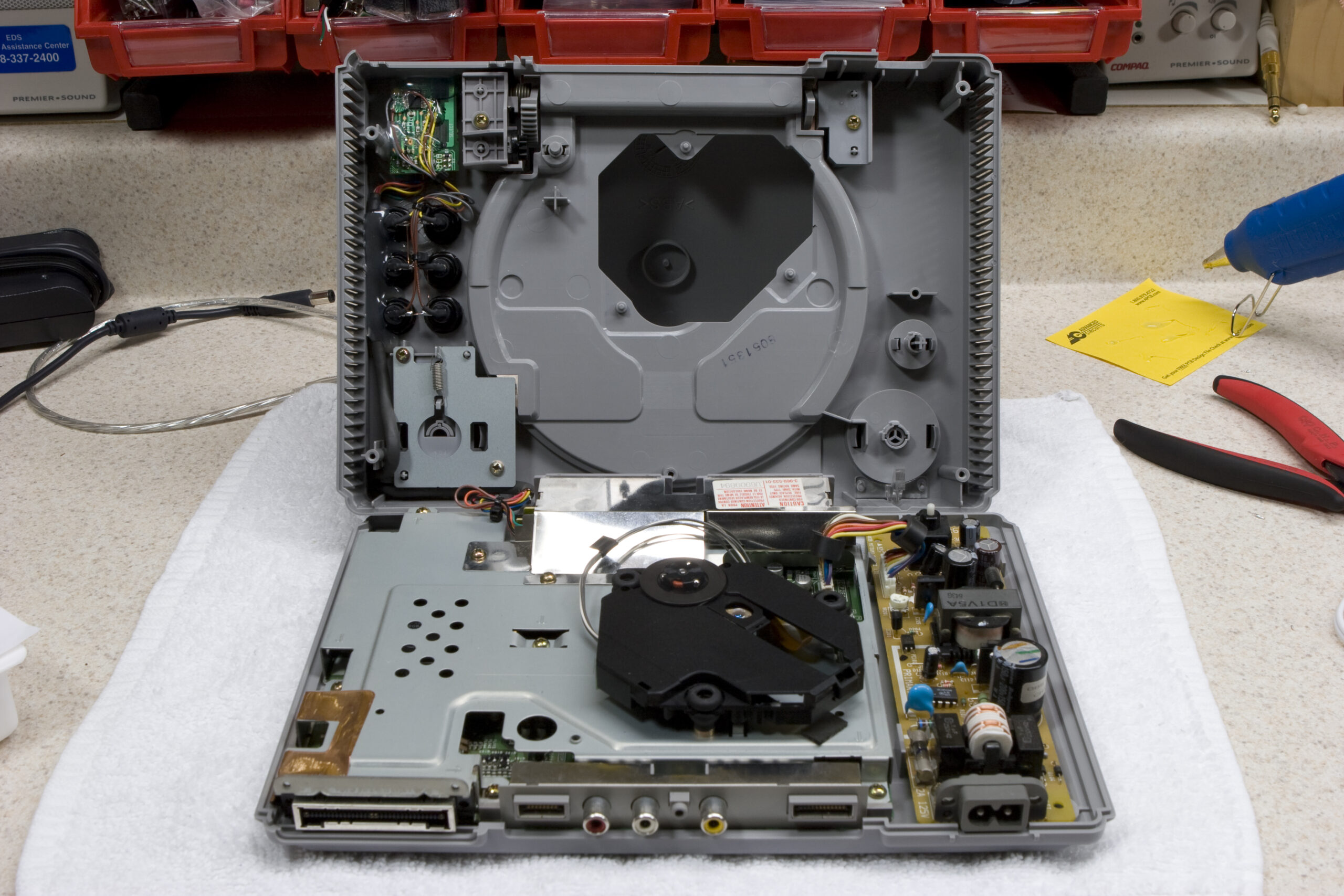
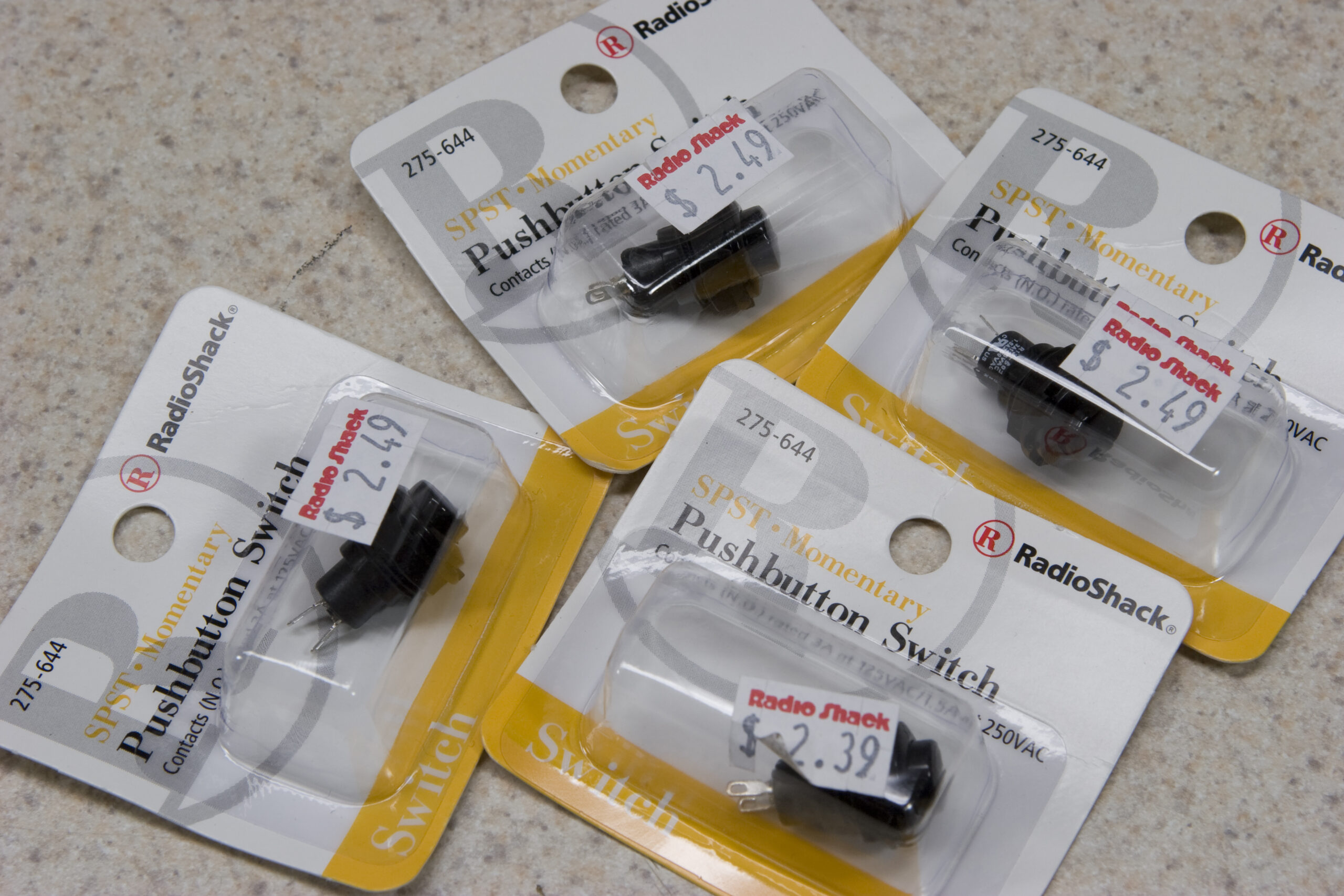
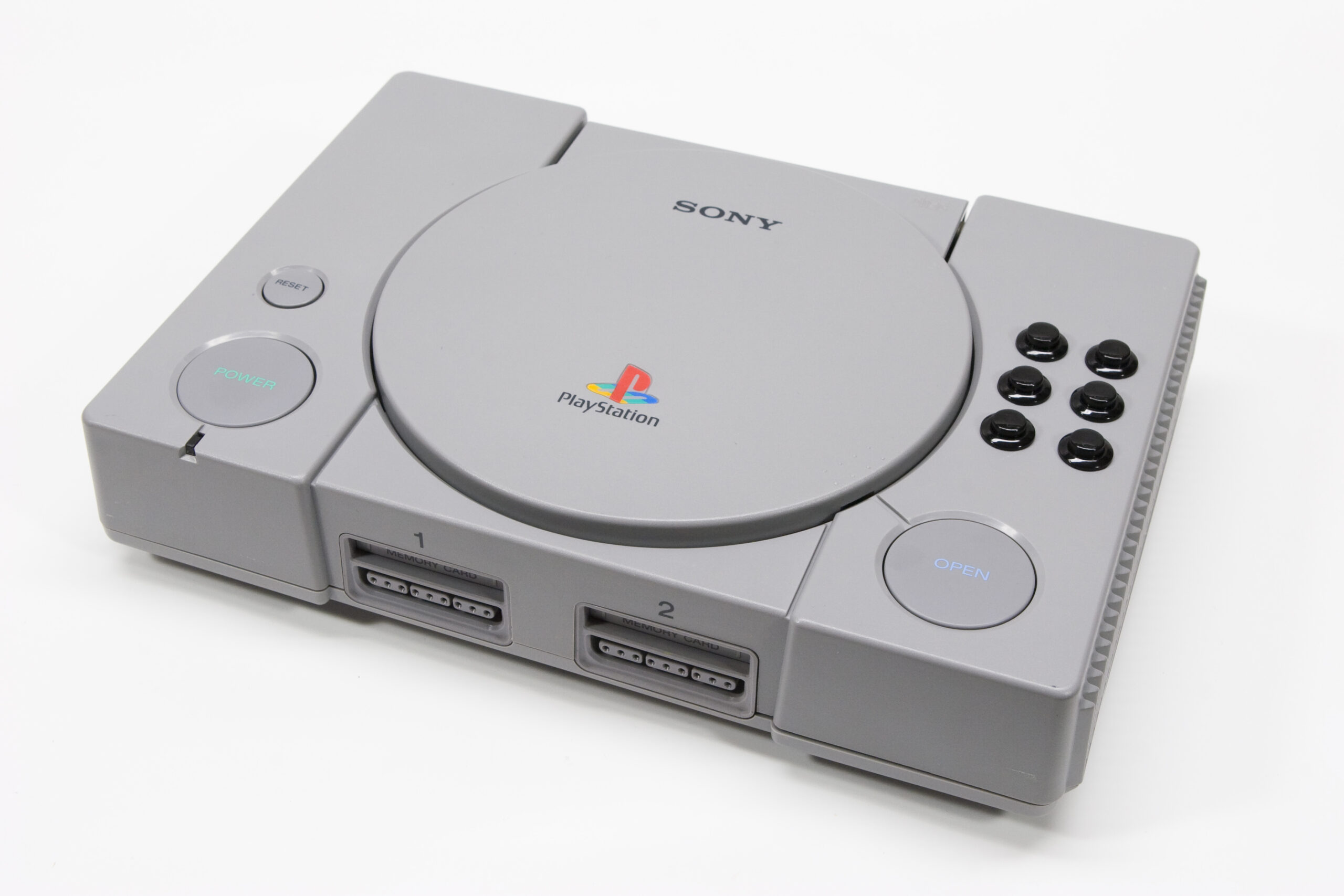
A little while back I posted something which showed me using a SCPH-1001 Playstation as a CD player with my recently completedMillett Hybrid Maxed headphone amp. Well, after taking the SCPH-1001 apart over the weekend I picked up some overpriced buttons from Radio Shack (so I could get started on things today) and… got to work on it.

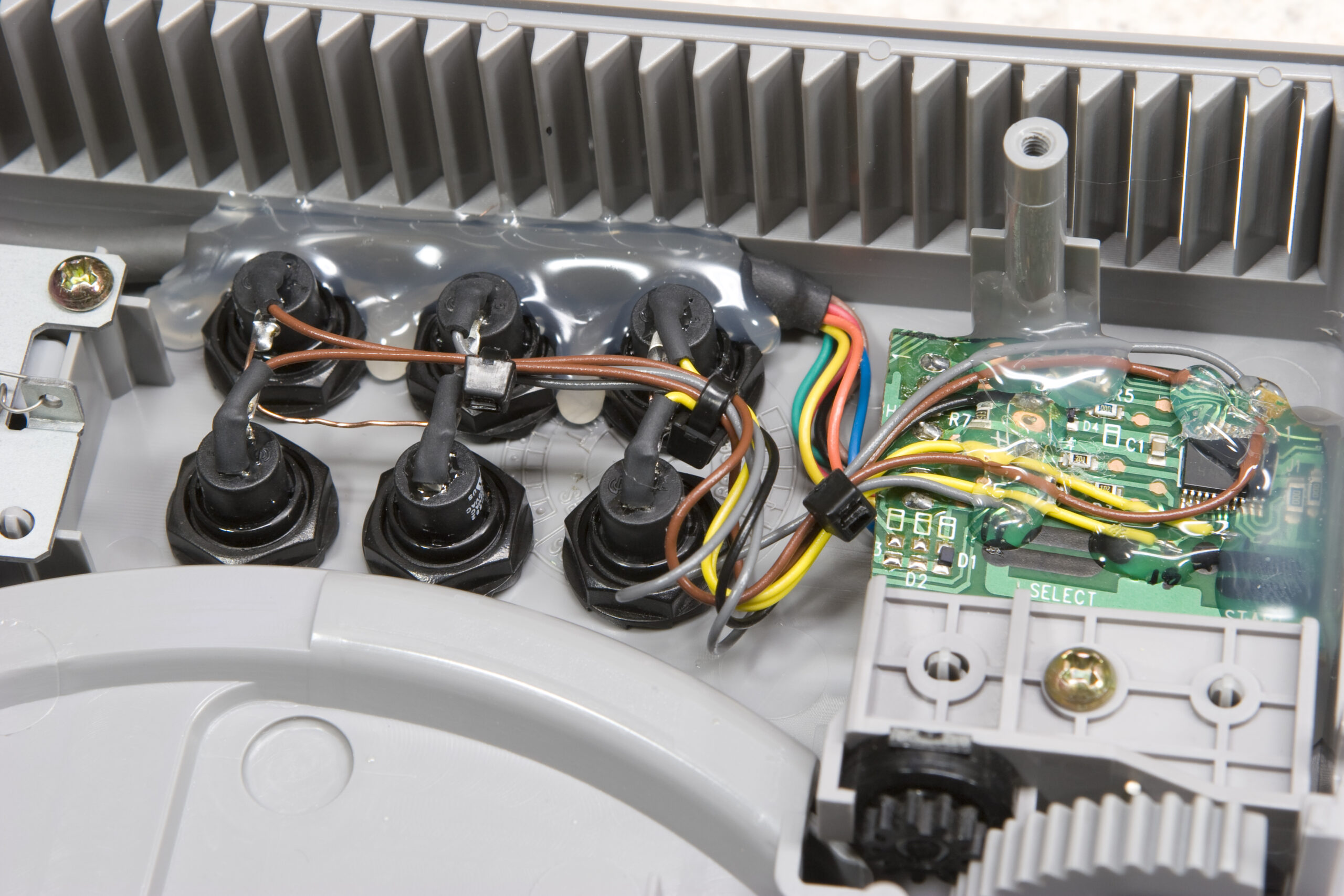
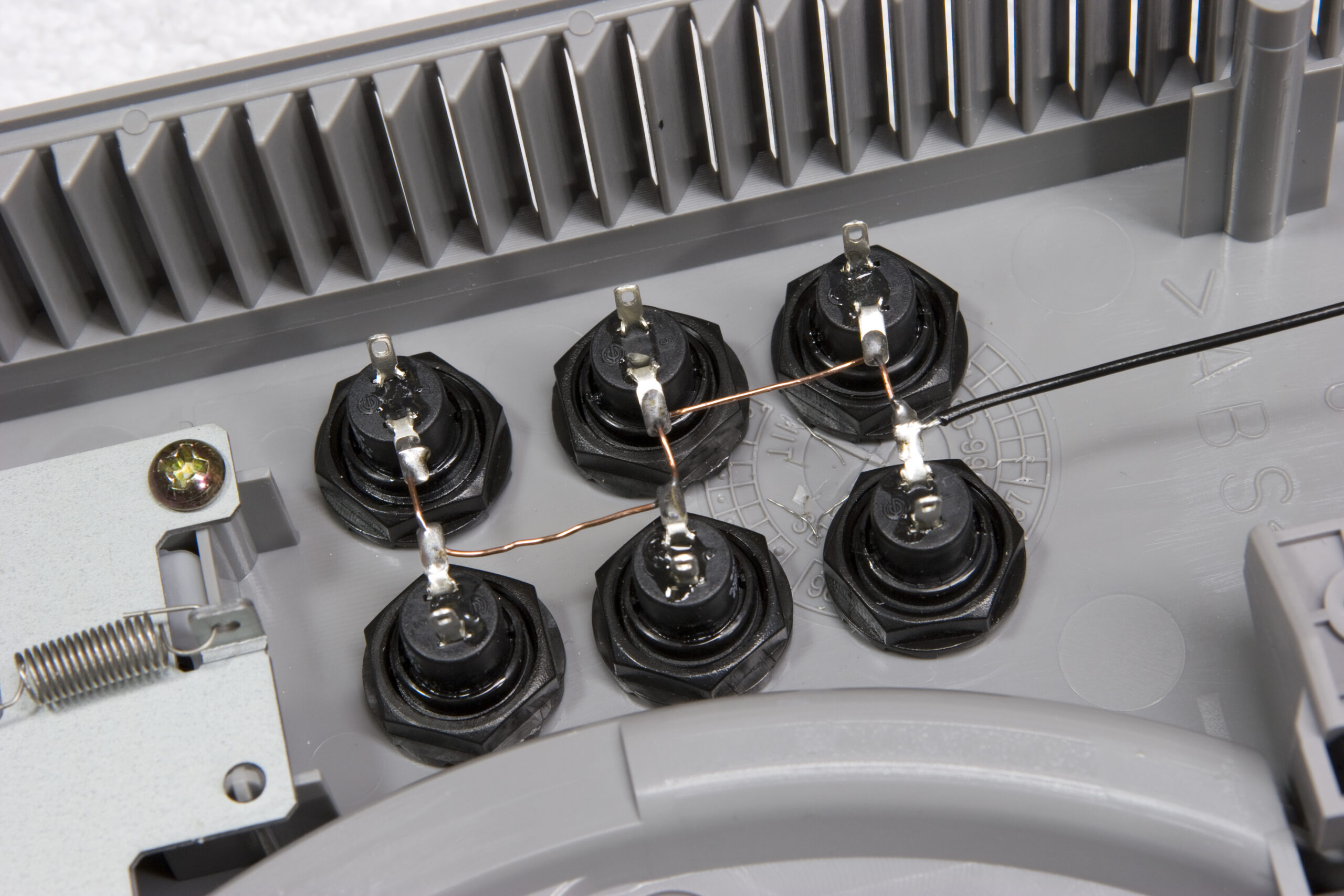
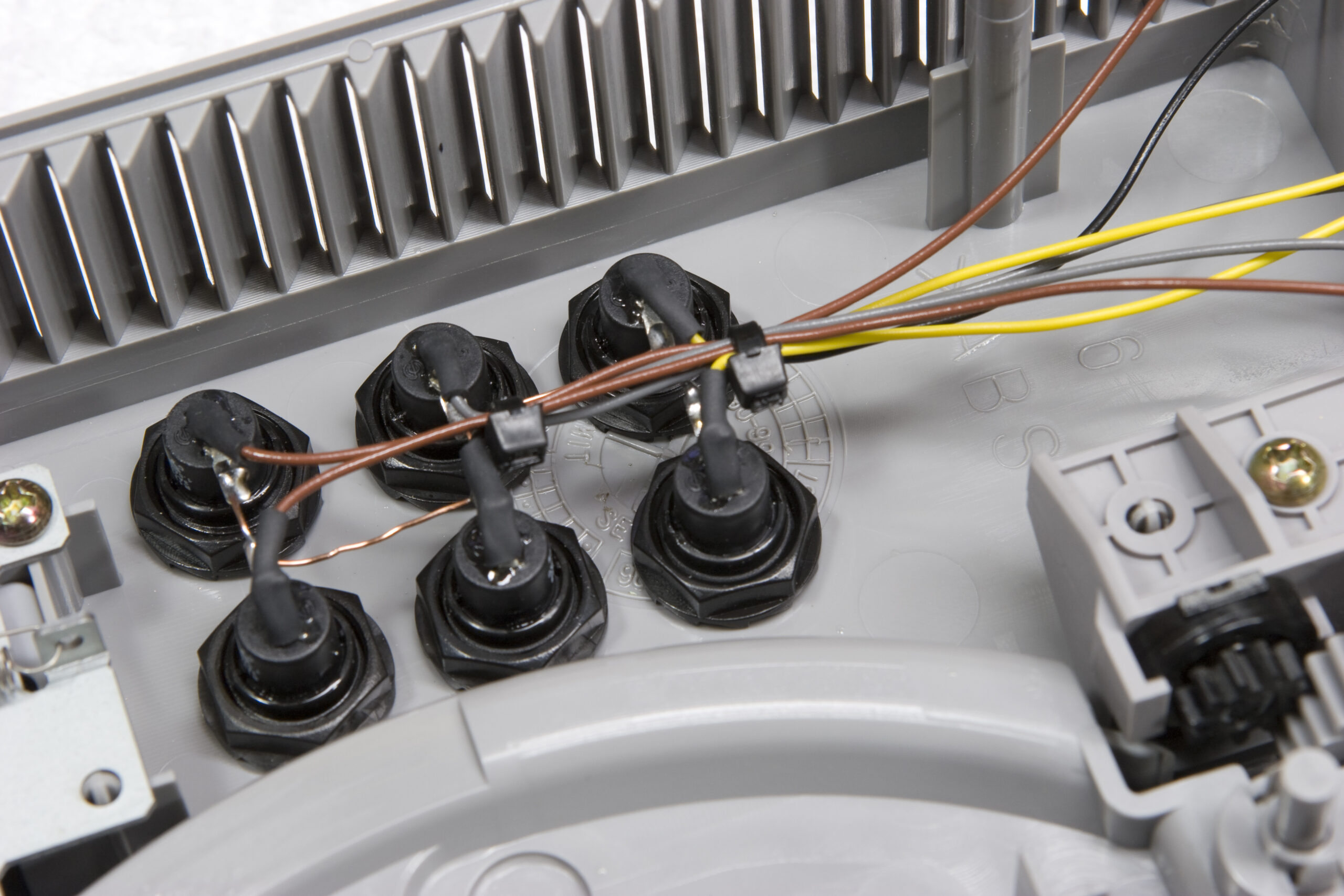
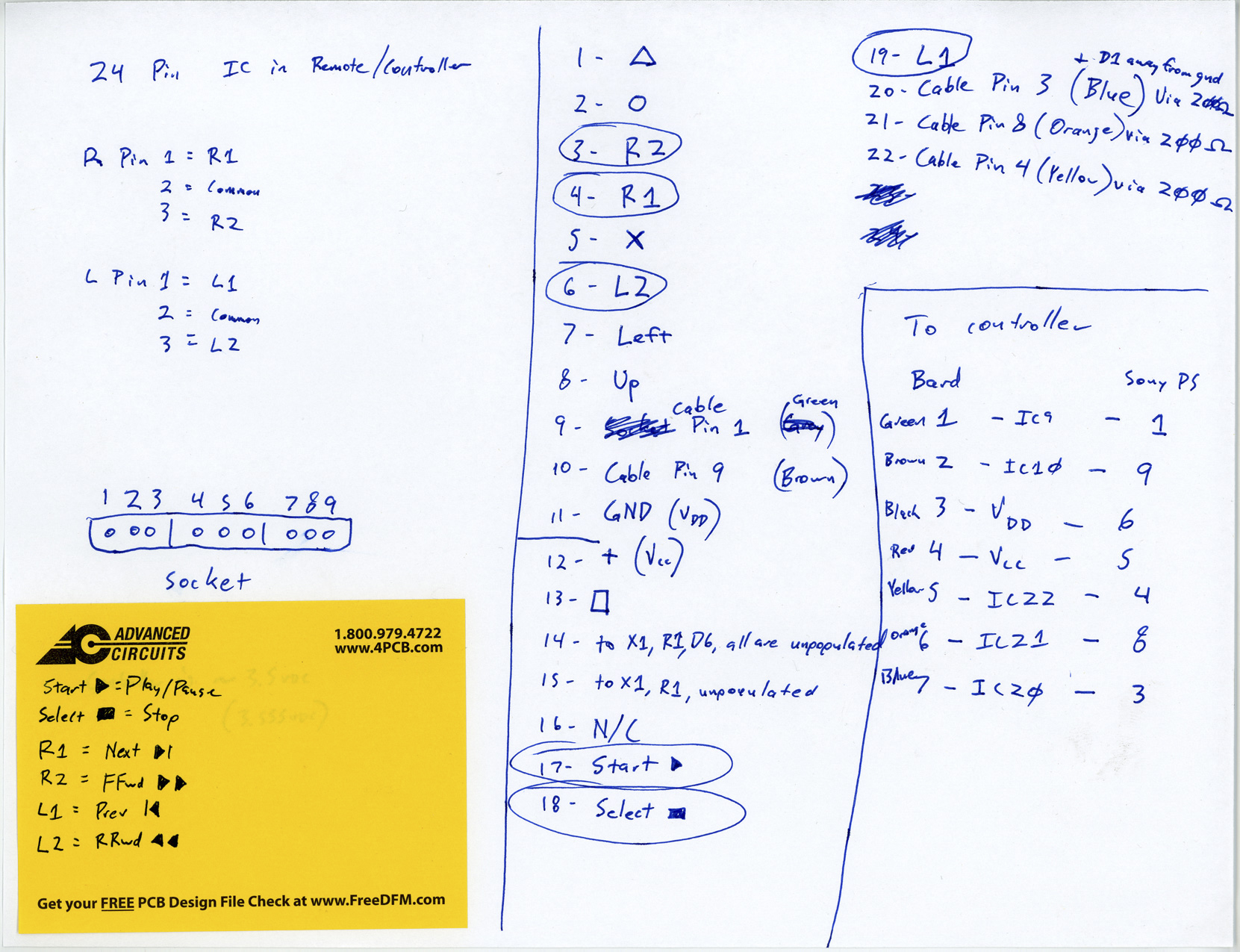
I don’t have much to say yet, as I’m only about half-way done, but I think it should work. Basically, I’m taking the PCB from inside a controller, cutting it down to around the minimum needed (as seen above), and wiring it up to some buttons on the top of the case to act as the controller buttons needed for CD playing. The buttons will be Play/Pause, Stop, Prev Track, Next Track, Rewind, Fast Forward.

Yes, it’s a massive hack, and I normally don’t like the cutting-down-the-PCB idea, but I just wanted this done quickly and cheaply. I thought about lifting that IC and making my own board for it, but that wouldn’t provide any benefit, and would just be more effort. So, I’m doing it this way.

More pictures of this can be found here (photo gallery retired). Tomorrow I’m hoping to finish it up, and I think it’ll be possible. I’ll post more photos and maybe do one of my cheesey project writeups then.

electronicsmaking thingsmoved from livejournal

Millett Hybrid Maxed: Complete

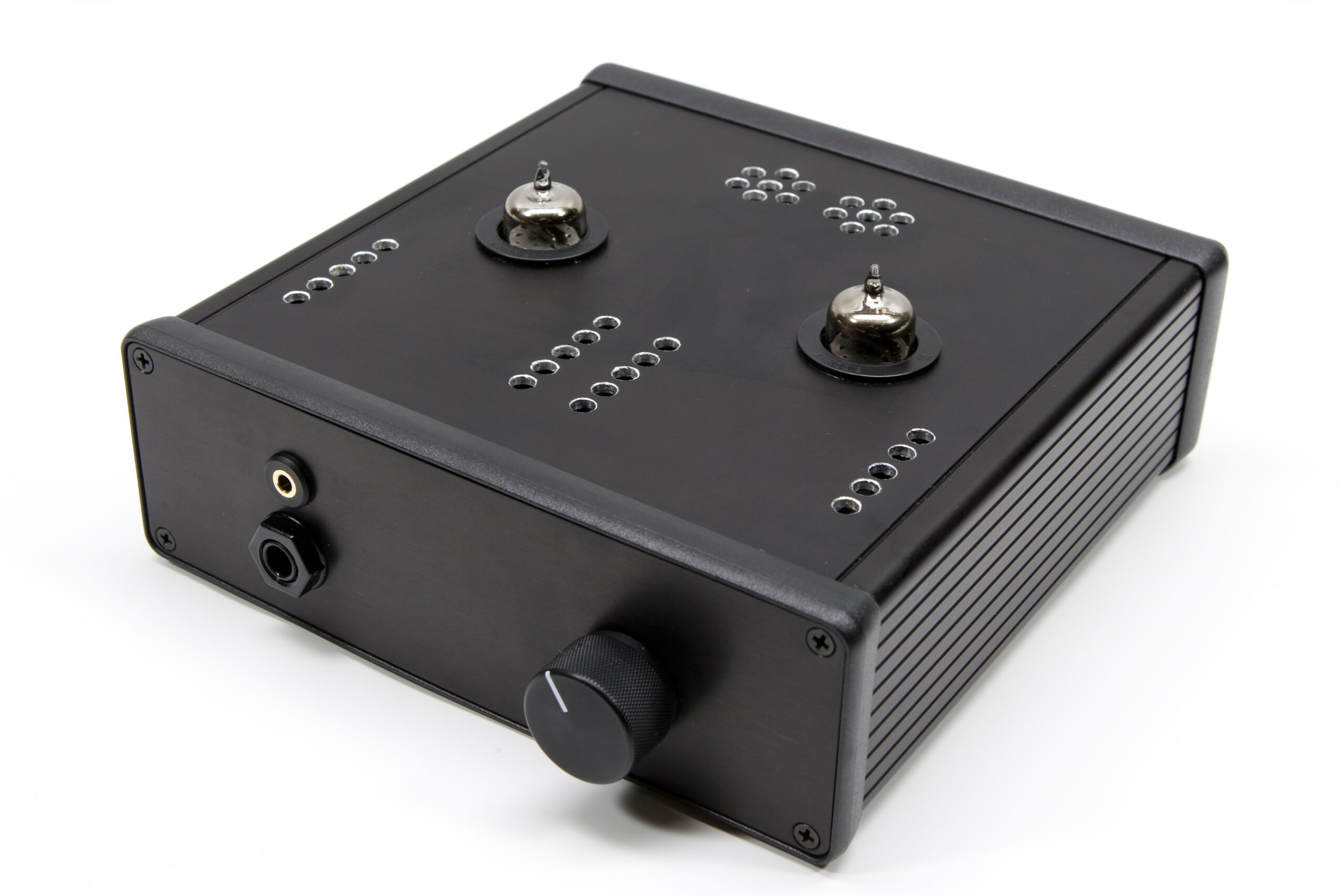
My Completed Millett Hybrid Maxed
(Click for my write-up…)

Well, I finally (mostly) finished my brief writeup / overview of my building of the Millett Hybrid Maxed tube-based headphone amplifier. It covers info about the parts I used, including knobs, case, jacks, plugs, etc. I also wrote up a bit about the issues I experienced in building it.

I still have to add thermal information and maybe a section covering current requirements powering on from cold, etc. Still, as it is things are pretty complete.

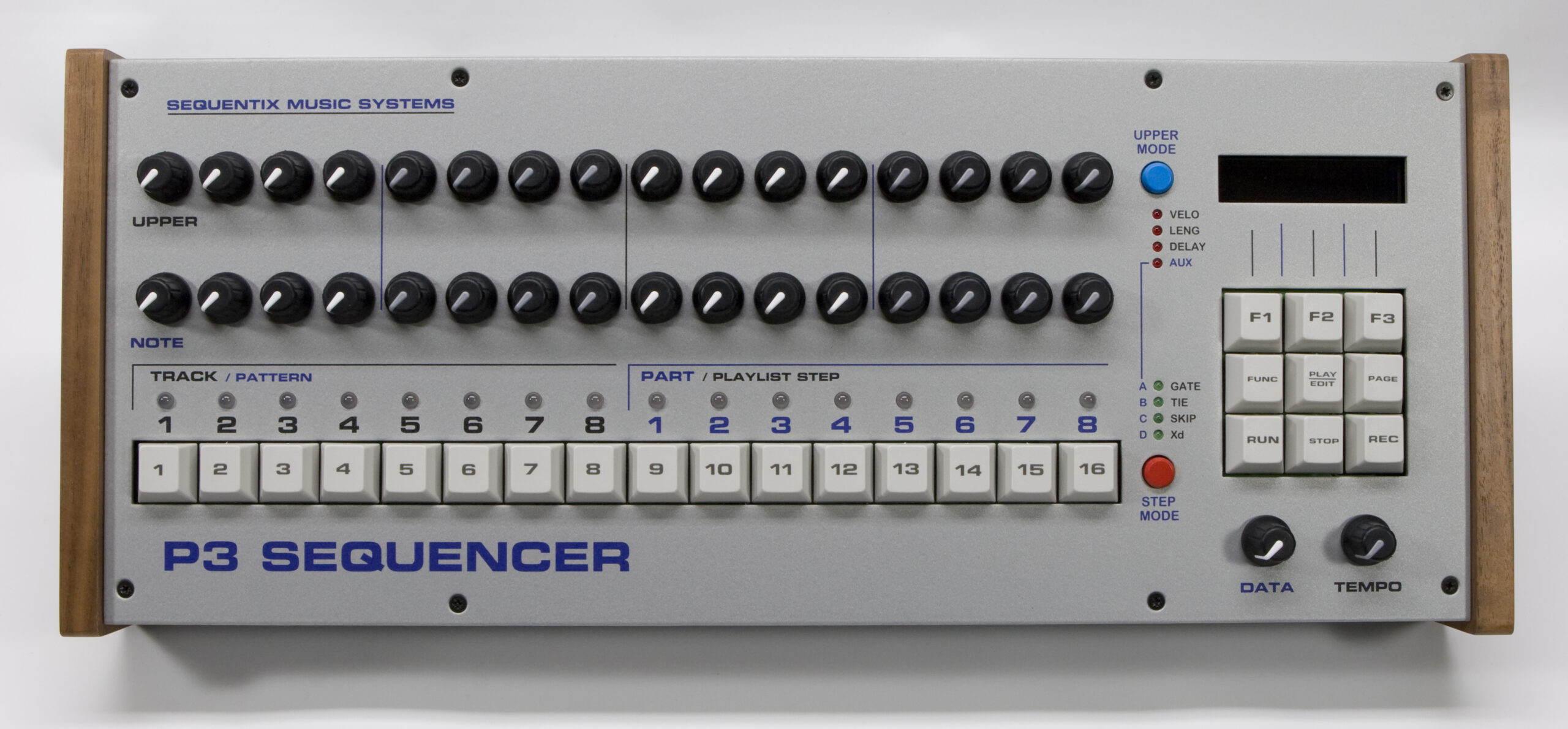
Also, my x0xb0x sold for $890 last night, to someone in Australia. Turns out that person knows the person in Oz who I helped build up the MIDIbox SID-NUXX. DIY synth stuffs really is a small world. Now I just need to wait for the MemX expansion for my P3 to arrive so I can install it and then list the P3 up on eBay.

electronicsmaking thingsmoved from livejournal

MIDIbox SID-NUXX CAD Files Pulled

You all remember the MIDIbox SID-NUXX, right? Well, as I mentioned previously someone was selling something with a board of mine in it.

I posted about this here at the MIDIbox forums to inform people of it and hopefully get some assistance. (You’ll have to read the whole thread to get it. It is initially supportive.)

So, what happened after the posting? I’ve been essentially shouted down and told, both in private email, private forum messages, and normal forum messages that it’s my fault that it happend, and I am wholly responsible for the problem and for stopping it. I don’t quite understand this response, as I spent a bunch of time and money putting a new design in place, licensed the portions of it which I created properly (creative commons, non-commercial, share alike), and then gave it all away for anyone to use. Net cost? Probably around $1K out of pocket and a bunch of time.

At this point I’ve tried contacting eBay, who has told me that the claim about the board in there being my IP is “uncertain” and not yet replied when I provided additional info. I asked for help from the community and was told that it’s my problem and I owe it to them to fix it. I’ve talked to the seller both via eBay and direct personal email (Flavio Mireles) and he’s played dumb. I’ve even tried bidding it high myself on eBay both with my personal account and sockpuppet accounts, and those bids have been cancelled. (Probably because the person saw new users and then my username in the bidding.)

I’m not sure what else I can do at this point, so I’ve gone ahead and pulled all the real-value contributions I made down. That is, the PCB CAD files, photoplotter/drill files (Gerbers and Excellon drill files), MIDIbox SID-NUXX-specific software binaries, all of that. I made something, spent a lot of money doing so, and tried to give it all back to the community. Unfortunately I’ve now been told that I gave too much back, and that my “forking”†† of the project does nothing but benefit “profiteers”.

The project has basically been closed since and finished their boxes. Other people (folks from Germany, Canada, California, and Australia) have built them since then with my help, but I haven’t done any more work on the project itself. At this point I’m just giving up on it. Sorry, I thought I was doing with sharing everything was right.

eBay emailed me at 16:29 EDT, I replied with info about the licensing of the board, postings about it in a public space, and links to photos of the board at 16:36. It’s now 01:08 the following day.
†† I don’t get how doing one alternate version, contributing all changes back, then terminating the project is forking.
electronicsmaking thingsmoved from livejournal

‘lektroniks.

Almost-complete… Just needs the top panel fitted.
(Click for huuuuuuge image…)

Two things accomplished tonight… For one, the Millett Hybrid Max headphone amp I’ve been working on seems to be working consistently. I still have to get the top cover fitted and make some custom cables, but that will all come after I’m certain the bias is stable.

As of right now I’ve got it running at 27VDC with each tube biased to 13.5VDC. The bias for the MOSFETs is as close as I can get to 200mV, and it’s all sounding good. I had it hooked to my crappy Yamaha player earlier and it was sounding good, but when I hooked it back up to the Playstation (as seen last night) I couldn’t get the PSX to read discs any more. I think the laser on it has gone, just like they did in so many others.

I’ve only owned it a week, but I sort of expected this. I’ll try and pick up a new transport and at the same time do some work on the audio out circuit. I may even hack up a controller so I can have Play/Pause, Stop, Next, and Previous buttons located on the top of the case.

Tomorrow I’m also going to try and get things set up so I can listen to chiptunes from a MIDIbox SID-NUXX on it.

Oh, and a few more of the decent inside photos showing the wiring for the various connectors and top panel and such can be seen here (photo gallery retired), if you are interested.

electronicsmaking thingsmoved from livejournal

Inrush problems…

1) I should be in bed and sleeping.
2) It appears that I could resolve the inrush current problem by instead throwing a thermistor in place of (or in series with) the fuse. I just need to figure out how to spec out the appropriate part. Let’s see… 24VAC, no more than 1A in…

Now? Sleep.

electronicsmaking thingsmoved from livejournal

Millett Hybrid Max is Working

Guess where this is going…
(Click for much larger version…)

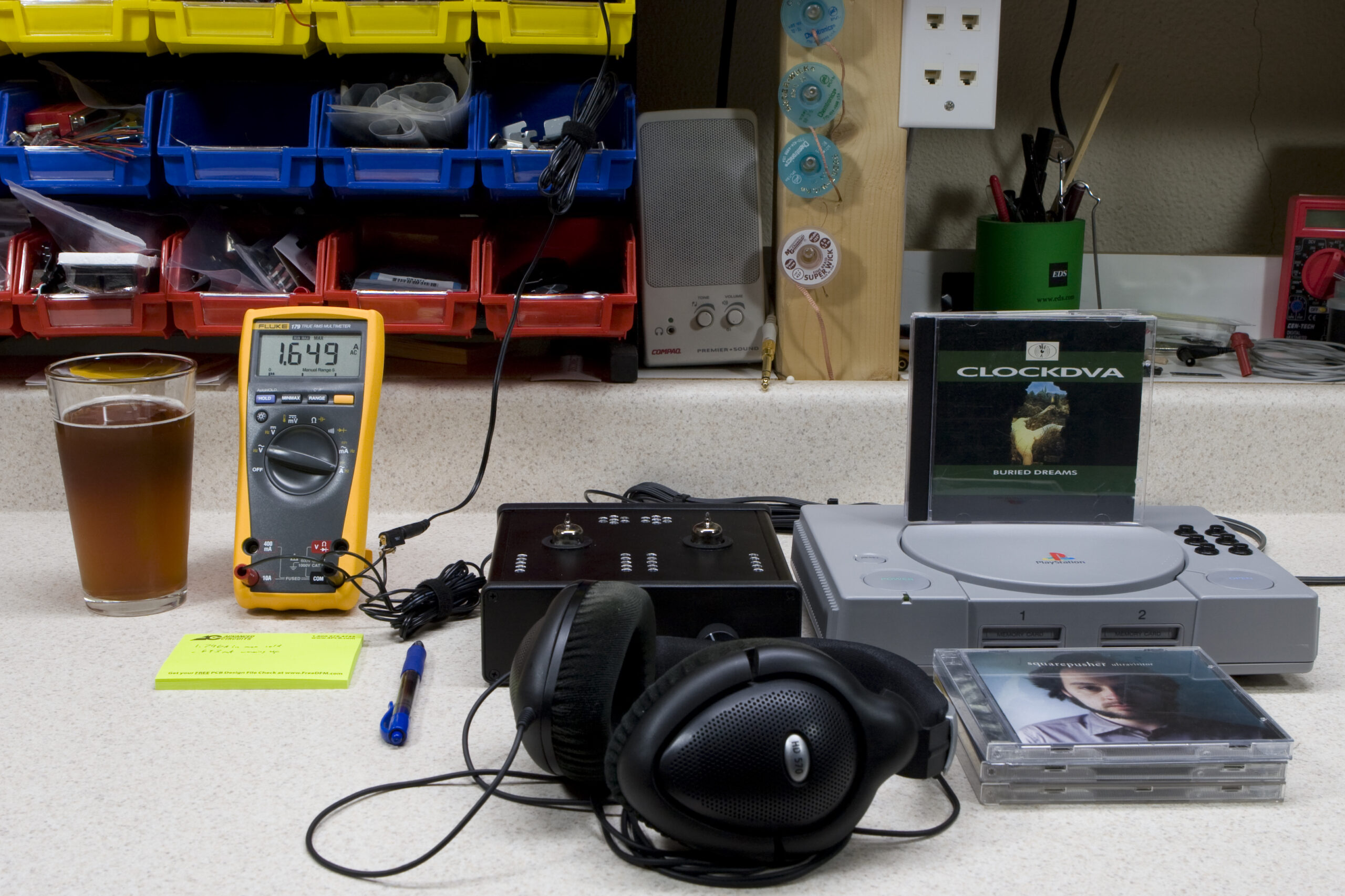
Yep, that’s the (now working) Millett Hybrid Max with recently installed 3.5mm headphone jack, connected to my Sennheiser HD570 headphones and a recently acquired SCPH-1001 Playstation. The amp isn’t set up yet, but I’ve got the problem figured out. Unfortunately I used up ‘s set of MOSFETs in the process due to some misguided advice, so I’ll have to order another set tomorrow.

Want to know what the problem was / is? In short, the designer(s) screwed up. Again. This time it’s with the power supply / fuse requirements.

Click here to read how / why…

electronicsmaking thingsmoved from livejournal

Help with Millet Hybrid Maxed Troubleshooting

(I just posted the following here on the Head-Fi Forums. Hopefully someone there can help me.)

Hey there... This weekend I finished up my Millett Hybrid Max (with MOSFETs) and while it was working great at first (Saturday), I'm now having some problems. I'm hoping that someone here can give me some pointers on where to look.

First off, here are photos of the top and bottom of the PCB: Bottom Low Res, Bottom High Res, Top Low Res, Top High Res.

My soldering is generally pretty good, but please note that all the connections look dull because I'm now using lead-free solder for board work. As can be seen on this page (photo gallery retired) my enclosure is almost exactly the same as cetoole's, including the vent holes for the heatsinks. When it was working the chassis never rose above slightly warm (around 100°F) in a 75°F room, so it seems to be vented well enough.

The power supply is a Jameco-brand 24VAC 1A wall wart. I've used their supplies before and they've been quite good in the past. For fuses I've been using either 800mA or 1A fast-blow fuses. When the amp was working the 800mA was sufficient at levels as high as the maximum I could stand (about 10 o'clock).

Power, audio inputs, and headphone jack are all isolated from the chassis, and their isolation has been confirmed with a continuity meter.

Here's a rough timeline of how the build / testing went and problems I had along the way, which will hopefully help point the way:

- Finished assembling everything, and on powering it on I found only ~2.6VDC from the power supply, regardless of the position of RR3.
- Found that I was bit by the backwards silkscreen on the trimmers, so when I thought I had everything turned down all the way for initial setup it was actually all the way up.
- Properly turned all the trimmers down, powered things on, set the power supply to 27.00 VDC.
- Biased the tubes to 13.50 VDC.
- Biased the MOSFETs to 200mV, which is right in the middle of the range suggested on the MAX Setup and Bias Settings page.
- Hooked up a CD player (random Yamaha changer) and headphones (Sennheiser HD570) and confirmed that I could hear audio.
- Left the CD player playing Radiohead's Kid A on repeat for 4-5 hours with the volume at listening levels.
- Checked the power supply voltage, tube bias, and MOSFET bias and returned them to the settings previously mentioned, as they had drifted slightly.
- Checked the heatsinks with a thermocouple and found them to be around 125°F.
- Listened to a few different CDs and some DVD audio and was happy with the sound.
- The next day I went to hook up my iPod, but I wasn't getting any audio from the left channel. Turned everything off, removed the tubes, looked around, reinserted the tubes, and noted that everything seemed to work.
- Listened to a few more CDs, then found the left channel to be a bit lower than the right. I figured that the MOSFETs needed to be biased again, so I decided to set it aside and open the case the next morning.
- Listening more the left channel started dropping out completely, and during a test while listening to Squarepusher's Tetra-Sync (a 10 minute track) I could hear the left channel fade in and out, and occasionally get a bit static-y / fuzzy.
- The next morning I began thinking the problem might be with the 1/4" to 3.5mm headphone adapter I was using, so I plugged in a different one and turned on the amp. It wasn't working, nor was it warming up.
- Opening up the amp I found that the fuse (800mA) was blown. From this point on it blew every fuse I've inserted.

In testing, I tried the following with no success, with fuses continuing to blow each time:

- Replaced the left tube with a spare NOS 12AE6A.
- Removed the board from the enclosure.
- Replaced both tubes with spare NOS 12FM6 pieces.
- With the tubes in place, VCC to GND is at about 33.8Ω, which just about matches the two tube heaters (~12Ω each) plus R1 (~10Ω). No dead short there.

Any ideas? I'm pretty lost at this point...

Thanks very much...

-Steve

electronicsmaking thingsmoved from livejournal

Headphone Amp

Gur. The headphone amp whice I’ve been working on… isn’t. The damned things just blows fuses. It was working fine one morning, that evening there was crackling fading in/out in the left channel, and the following day it just blew fuses. I didn’t change anything between the days.

It’s not the tubes, as I’ve tried another pair for them.

<sigh>

electronicsmaking thingsmoved from livejournal