nuxx.net
Making, baking, and (un-)breaking things in Southeast Michigan.

RS232 to Eaton Leonard Interface Final?


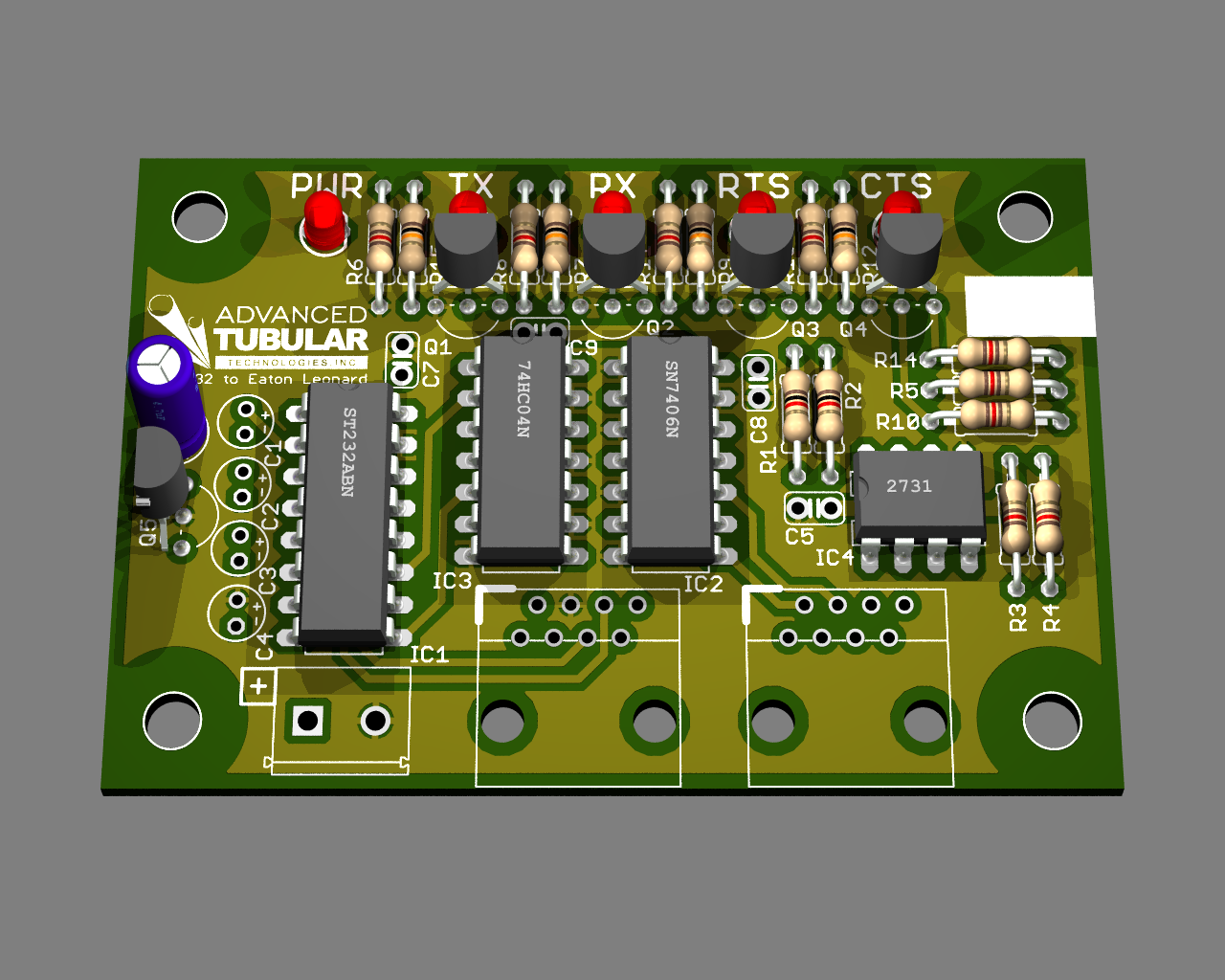
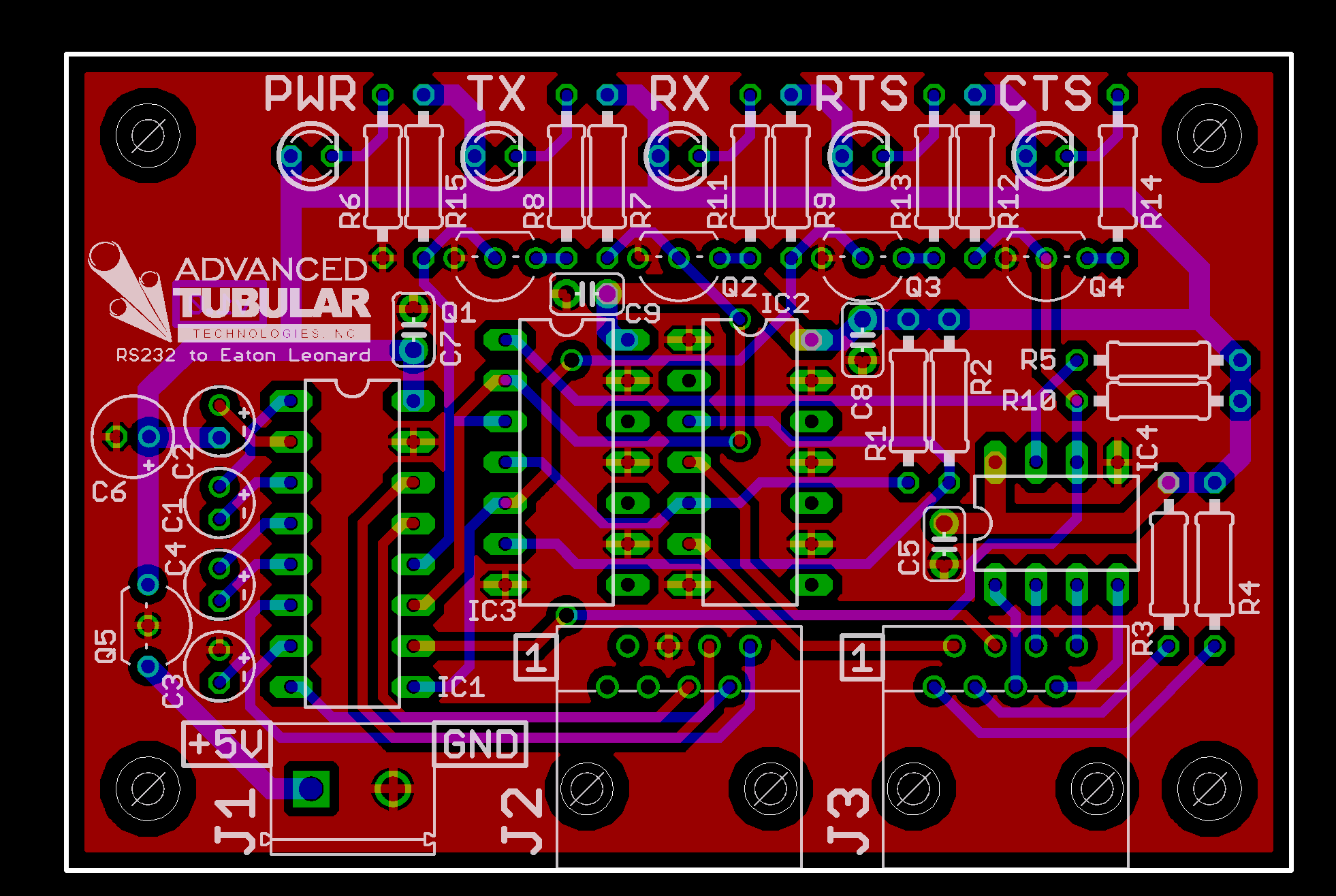
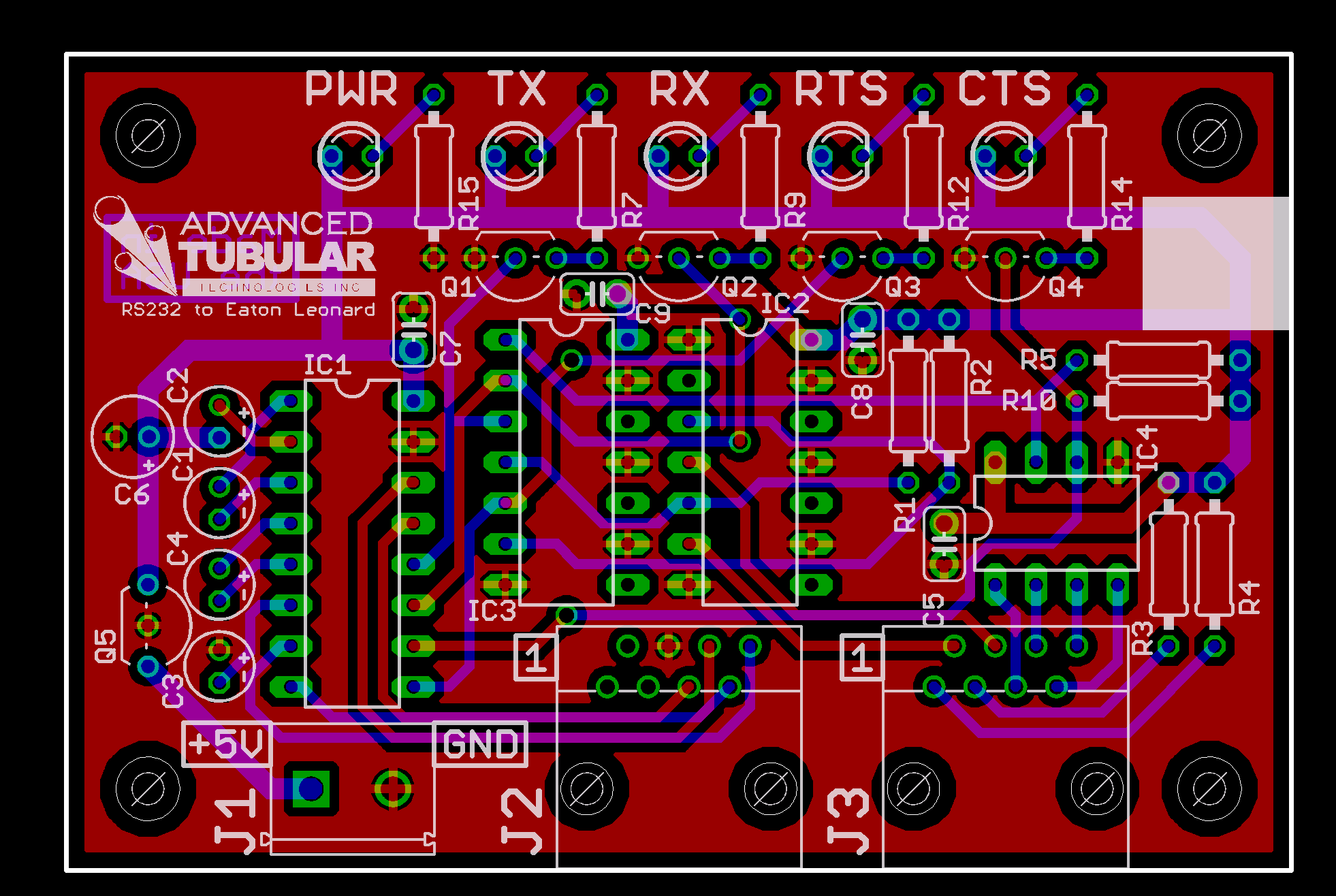
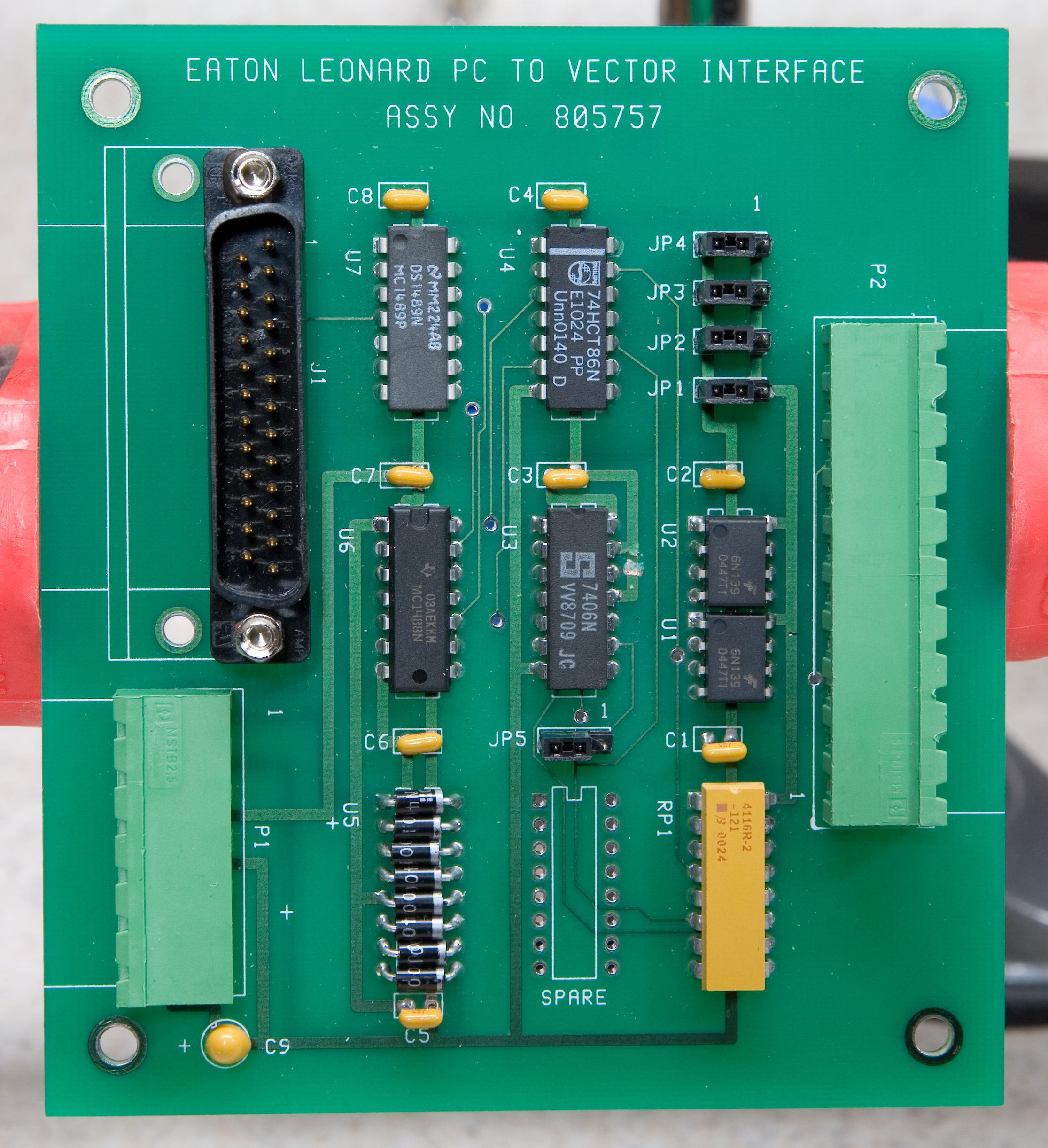
Third Draft of RS232 to Eaton Leonard Layout
(Click for 600dpi version…)

Well, I think it is done. As long as the schematic passes the final validation (which I’ll do tomorrow) that up there will be the final version of the RS232 to Eaton Leonard level shifter board I’ve been working on for ‘ company. It’s only 2″ x 3″, down from the original 4″ x 4.5″ part.

I’ve also made the following changes from the original design:

· RJ45 connectors for RS232 and the connection to the machine itself.
· +5V supply, as opposed to the original board needing +15/-15/+5.
· Greatly decreased size.
· RoHS compliance.
· Protection against power being connected backwards.
· Power / TX / RX / RTS / CTS LEDs.
· Greatly decreased cost.
· Branded.

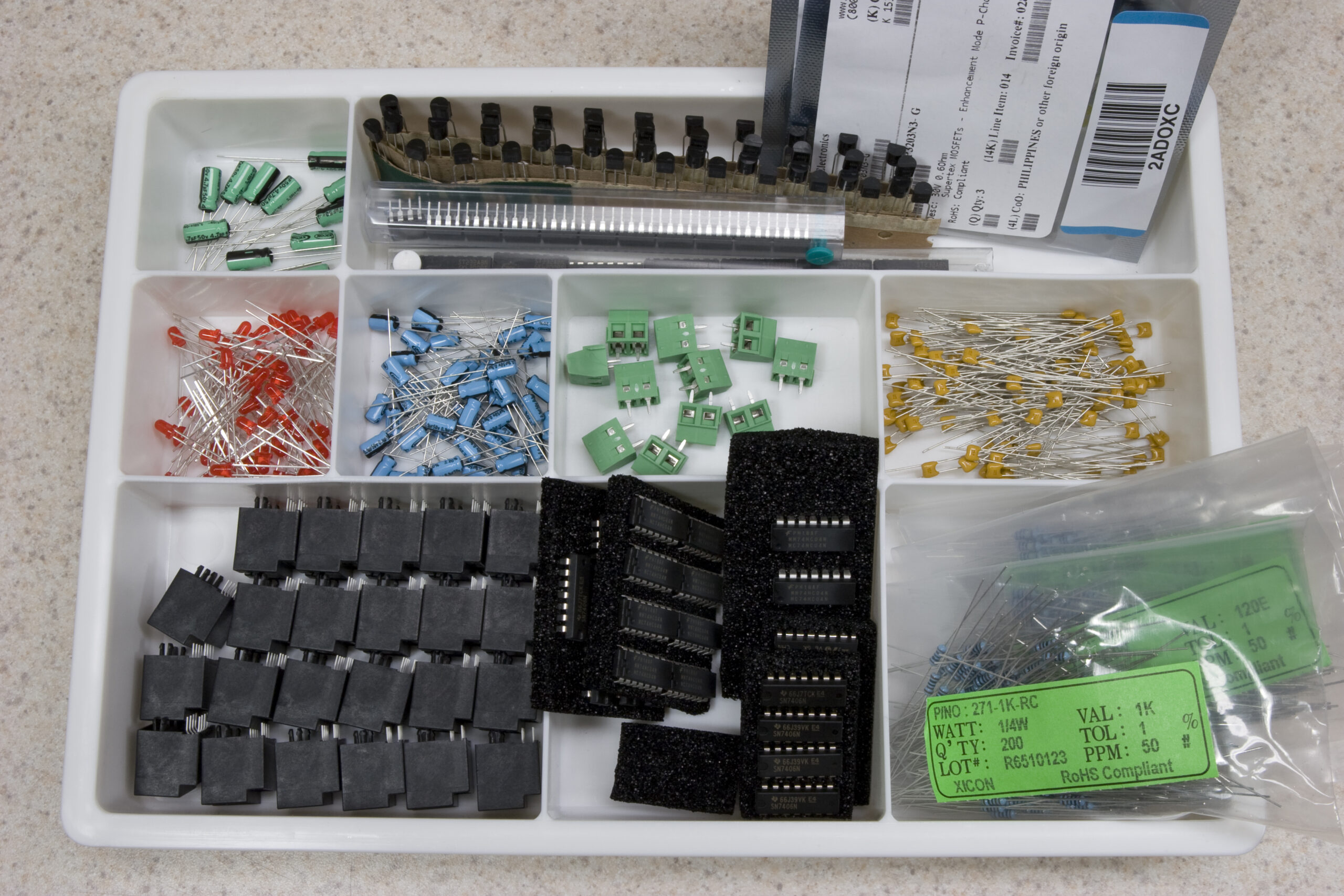
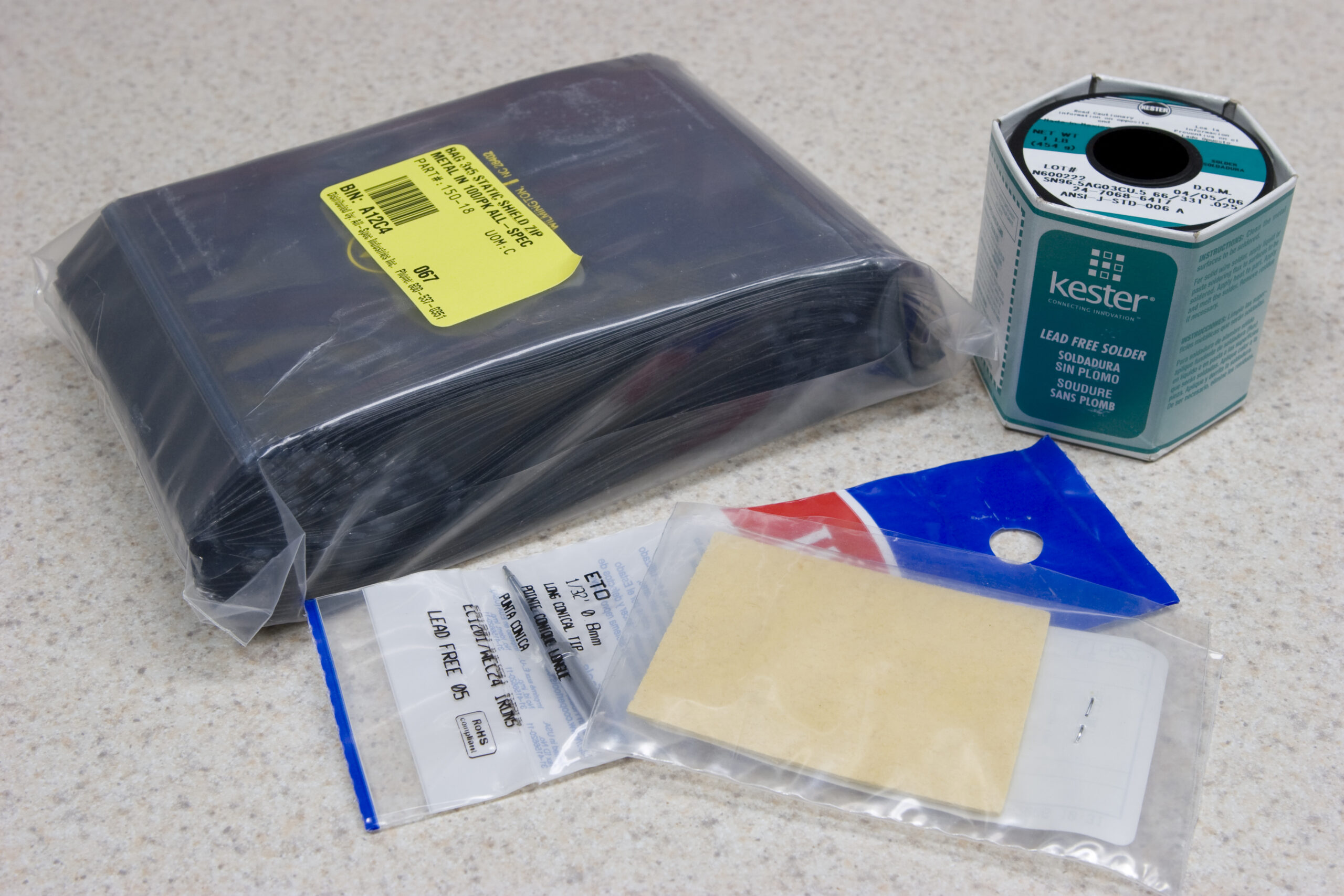
Hopefully I’ll order the boards and all other parts I need for the initial production run either tomorrow or Monday. I just need to catalog the parts I have, order the rest of the parts, order the boards, order the lead-free solder, packaging materials, etc.

Now, off to National Coney Island, REI, and the Apple store with Danielle.

electronicsmoved from livejournalwork

Electrical Design Complete

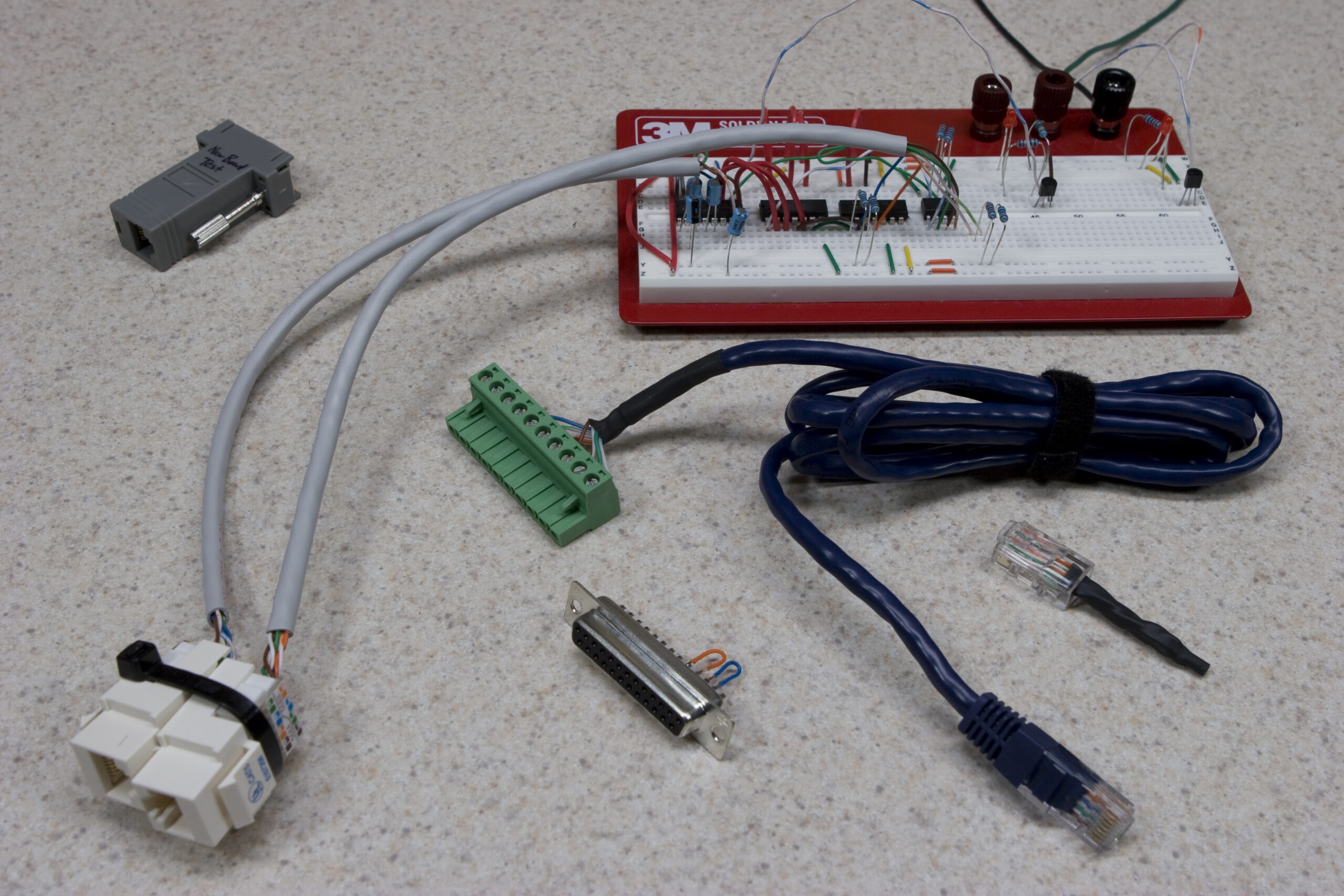
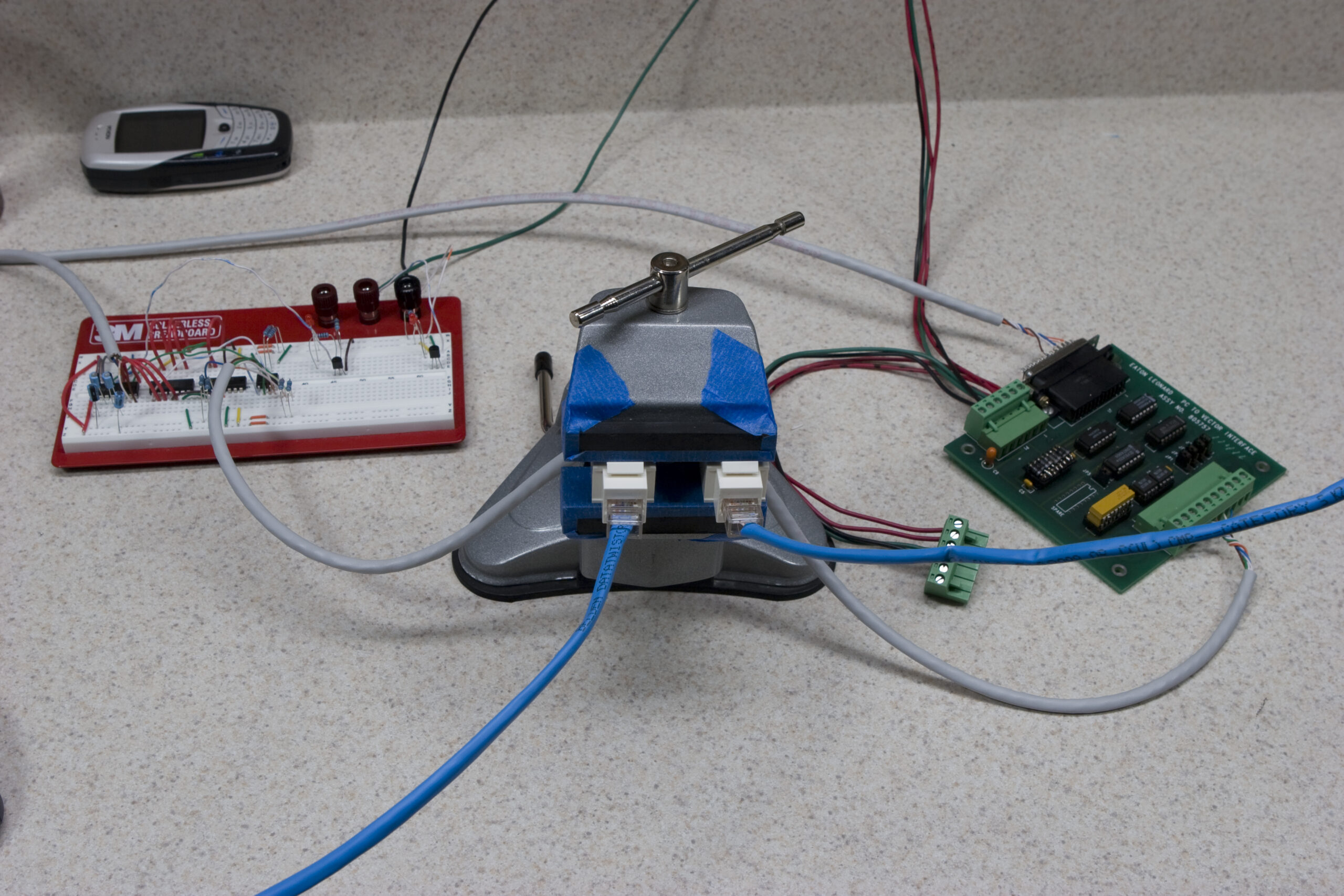
Breadboard circuit and some adapters.
(Click for more photos of this project (photo gallery retired)…)

Well, there it is. The final breadboarding of the RS232 to Eaton Leonard Level Shifter that I’ve been working on. On the breadboard there is the complete circuit, including current reversal protection, but with only one of the indicator LEDs. I ended up changing to using BC557 transistors for turning the LEDs on and off, because the FETs I was originally looking at were leaking current through even when off. I only had one BC557 here, so I just put together one of the circuits and then tried it on each of the lines. It seems to work fine, blinking with data, etc. Its activity should match that which one would see on a PC if using software TX/RX/RTS/CTS activity indicators.

I also played around with sending data through my board to an original Eaton Leonard one, and over a short cable run I had no retries when sending a DOS 6.22 install floppy image at 19.2k via ZMODEM between two HyperTerminal sessions. Since the actual device in production will run somewhere around 3100 baud, this should be good.

I made adapters so that I can easily plug a piece of CAT5 of arbitrary length between the two boards, so I can try to intentionally create unfavorable conditions. Some initial testing stringing an old piece of CAT5 around three fluorescent lamps didn’t show any immediate errors. I’ll do more in-depth testing with this setup over the weekend.

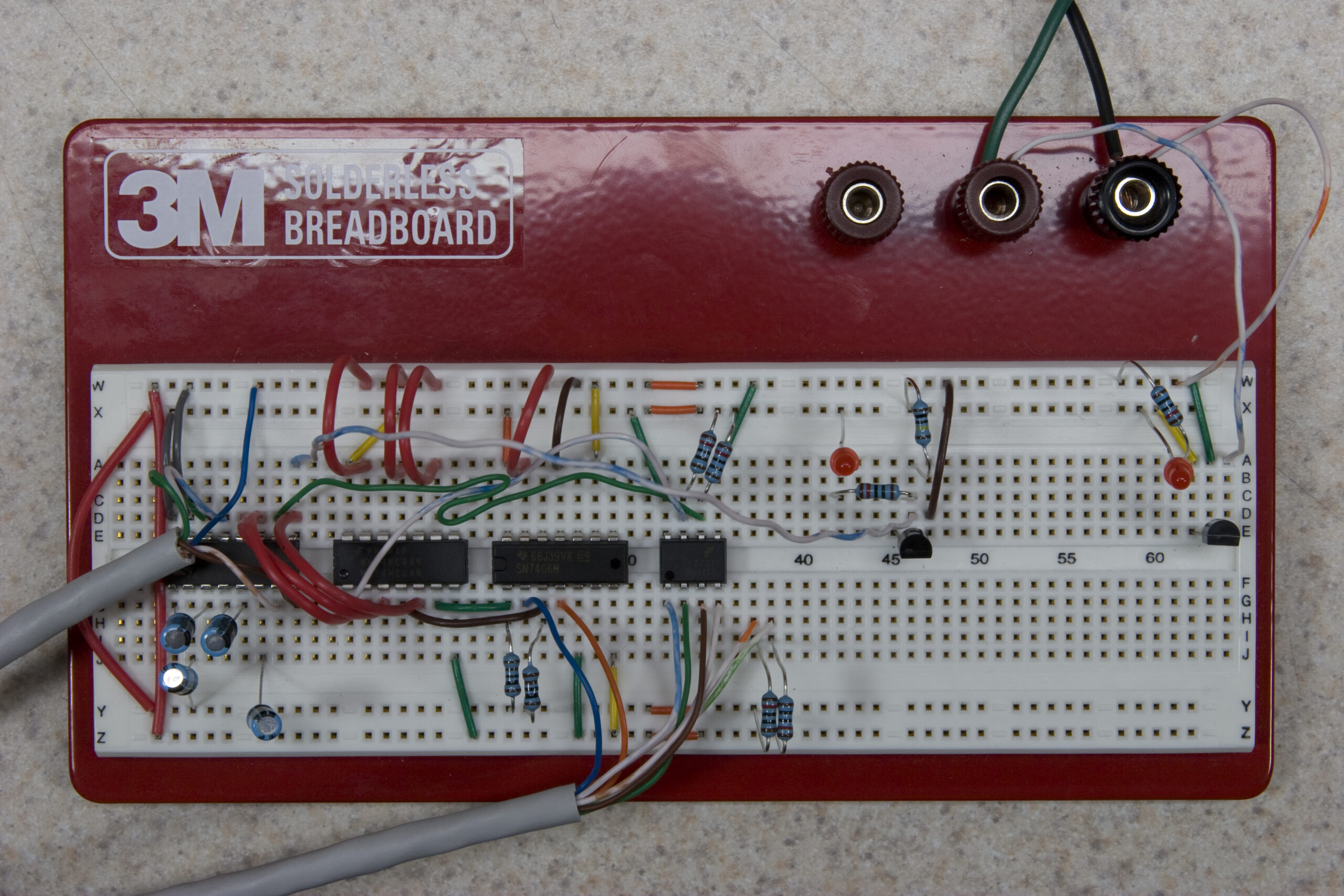
Finally, here is a photo of the stuffed breadboard itself, as I tested it. Now all I have to do is verify the footprints of all the parts I’m using and lay out the PCB. Doing that is fun, and kinda easy. Then it’ll be production time.

electronicsmaking thingsmoved from livejournal

Fried Dinner

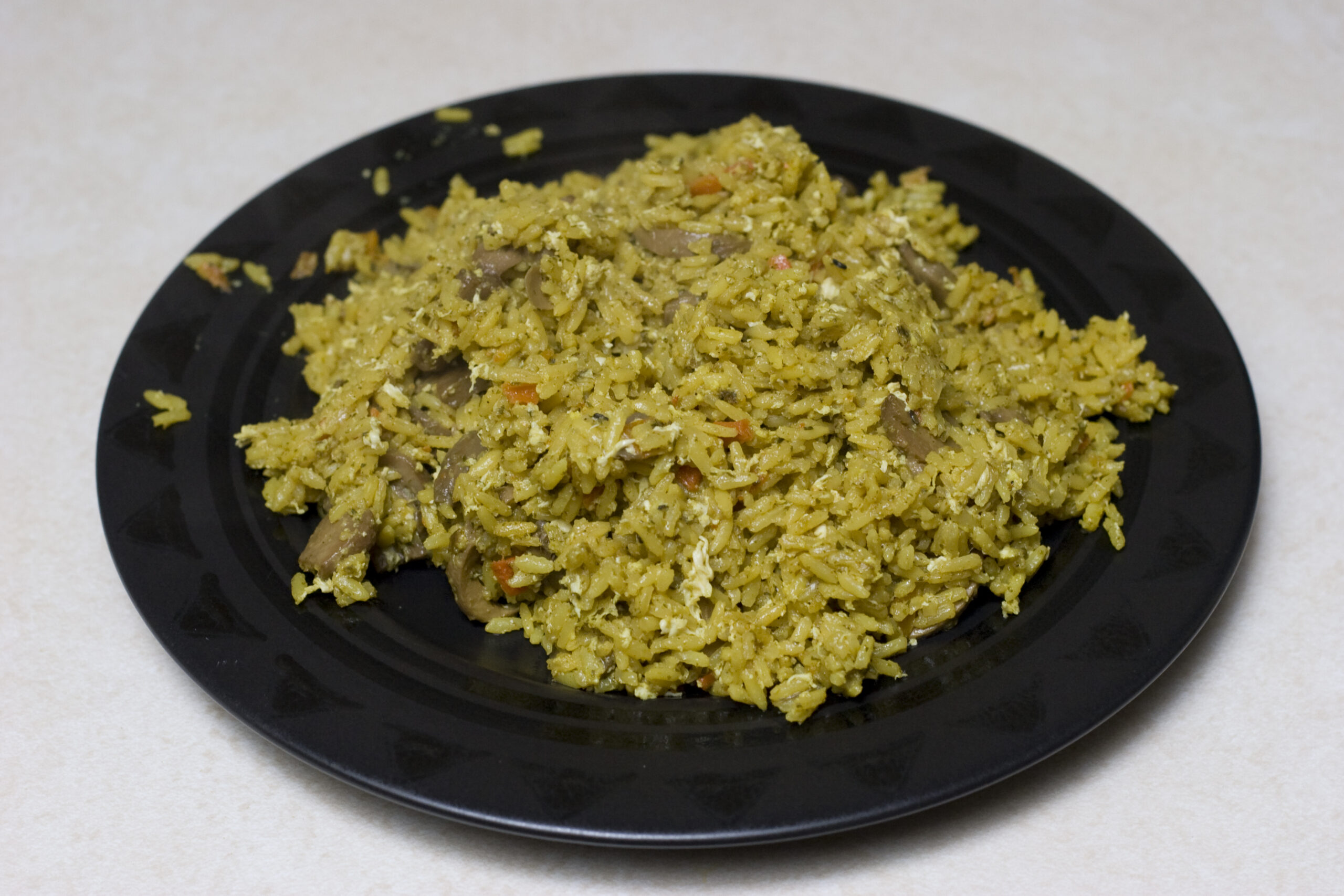
Fried Rice-ish Stuff

This is what results when one prepares Near East Curry Rice Pilaf with a can of mushrooms, then tosses it all in a wok and fries it up along with nanami togarashi, a bit of vegetable oil, soy sauce, and an egg.

It was good. Sort of a generic curry pilaf with a bit of spicyness to it. Definitely better than carry-out I’ve had from many places. Oh, and I’m really full after eating it all with a bottle of ginger beer.

Now, to do electronics work.

foodmoved from livejournal

Good Things

The following things are good:

· My board works, sending and receiving data. The problem was some stupidness, easily corrected on the breadboard.
· Tobi is, thus far, being a joy to have around. She likes playing both with her reflection in the doorwall and a Kong.
· Celebratory Kentucky Breakfast Stout
· The circuit to keep things from being fried of current is hooked up backwards works great. The FET only causes a 0.010V (measured) loss.

Tomorrow I will add the LEDs which indicate the activity of each line and be sure they work. I’ll also incorporate the current reversal bits to see how it all plays together. Then I’ll try sending large quantities of data through at high speeds (115,200), possibly even across a lengthy run of CAT5 in a noisy environment. I’ve already done short bursts of characters, but I’ll try sending 10s of MBs of files or something.

If that all works, I will begin designing the final PCB over the weekend. Yay!

electronicsfamilymoved from livejournal

CLUSTAL W vs. Mac Pro


Four CLUSTAL W Jobs

In order to help Danielle out with something I currently have four scripts running, each running six sequential CLUSTAL W jobs doing DNA sequence alignment on 500-some sequences. Each core in my Mac Pro (quad core 2.6 GHz Xeon) is chewing away at data, and each of those individual jobs should take around 40 minutes each.

This is v1.81, compiled as an Intel binary with GCC i686-apple-darwin8-gcc-4.0.1 earlier today. I was going to use the pre-compiled fat binary v1.83 version made available here, but Danielle had originally been running this all on her slow(er) XP laptop with v1.81, and I didn’t want to risk any versioning problems.

Hopefully the data will prove to be useful tomorrow. I hope.

If it does, I might have to run more. That’s okay, at least the Mac Pro is finally getting a workout.

computersmoved from livejournal

Aphids! Again!

Arraugh. More aphids on my plants… At least I had some good aphid killer available this time.

Maybe I should just stick with herbs. the things which make them tasty to people make them untasty to bothersome bugs.

around the housemoved from livejournal

Grilled Cheese & Mexican Coke

Grilled Cheese, Wheat Crackers, Mexican Coca-Cola

Here is a photo of my dinner from the other night. It is three small grilled cheese sandwiches made with Meijer-brand bread and generic sharp cheddar, Meijer-brand organic wheat crackers (like Wheat Thins™), and Mexican Coca-Cola (made with real sugar and no HFCS).

foodmoved from livejournal

Power Mac G5 Shipping Problems

Arraugh. The guy who purchased my Power Mac G5 received it and found it to be not seeing the hard drives. When he opened it up he found that the drive latches were up and the drives were dislodged. Here is the message from him:

Hi Steve, I received the item. There was a bit of a scare though.
I turned the computer on and all I got was a flashing folder with
a question mark. So I started up on the OS X DVD you included
and tried to run Disk Utility. To my surprise, there were no hard
drives in the computer. So I opened up the computer and
noticed that both hard drives must have been dislodged from
the case during transportation. And both of the gates that hold
them in position were in their up position. And the bottom HD
had the interconnects damaged in the process. Fortunately, I
was able to straighten the pins and reconnect the wires and
everything seems to be working fine. Just wanted to let you
know. I am still testing the machine right now. I will keep you
posted if there are any further problems. Thanks Steve.

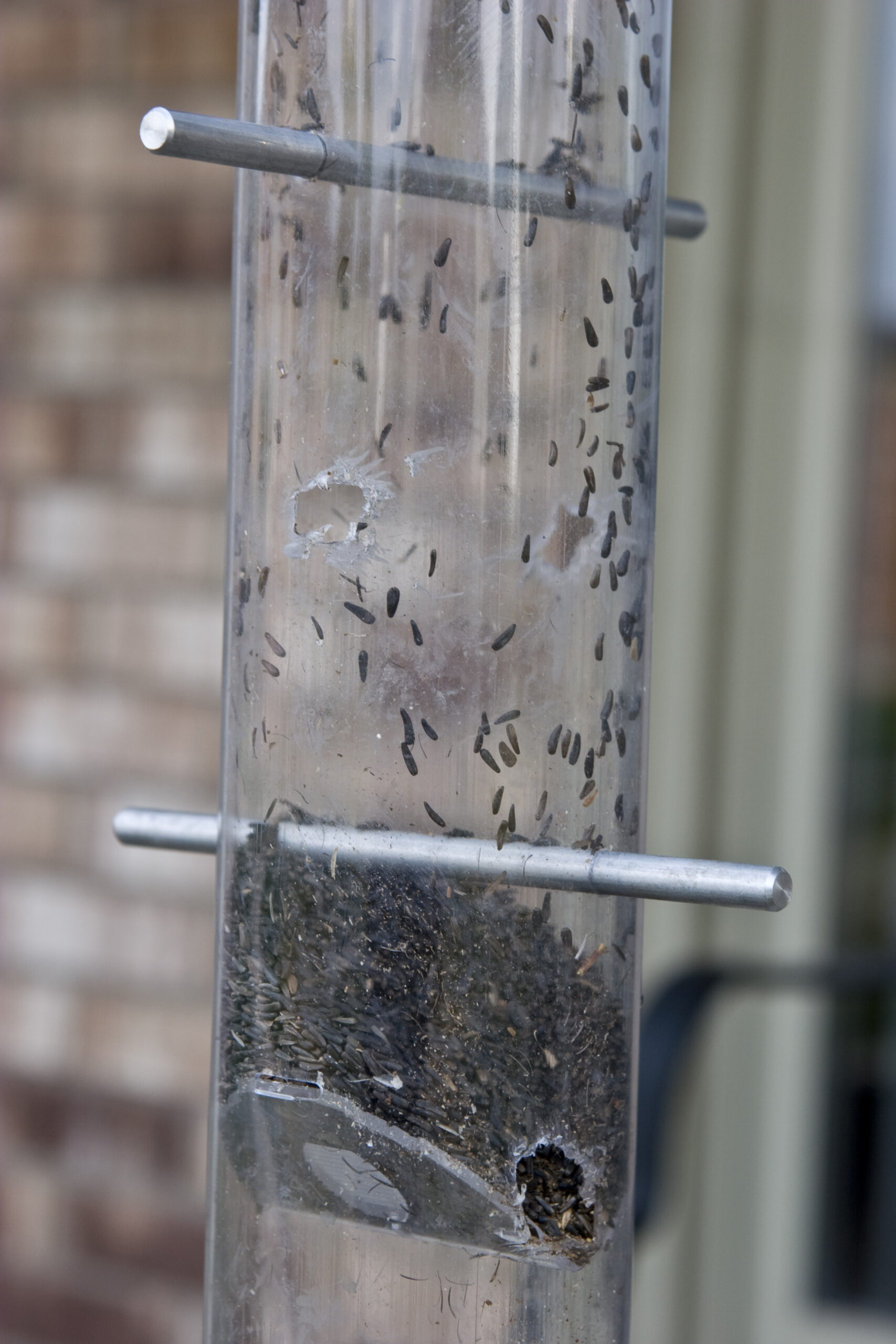
This is kinda frustrating. If you take a look at this photo you can see the latches holding the drives in place. I wonder if it got dropped during shipping in a combination of ways which caused the latches and drives to become dislodged?

Uggh.

UPDATE: I sent the photo of the latches and such off to the person, and he replied with this:

Yeah, it looks like the source of the problem must have been in the
shipping. The foam inside the box looks damaged. And there is a
hole in the box. I will take photos and post it up soon. But so far,
everything seems to work fine.

So, it sounds like UPS sure bounced the package around a bit.

acquired thingscomputersmoved from livejournal

Worky worky worky…

After feeling kinda crappy about my current project last night I ended up going to bed and laying there for a while thinking about things. As a result of talking to a friend online about some electronics stuffs, I decided this is what I need to do:

Breadboard the whole damn thing, so that changes and new features are easy to implement, and I can work around the inverted data problem more easily. It really is the “proper” way, as opposed to what I did before: come up with what I think should work and spend time hand-etching a PCB.

So, today I went ahead and ordered a batch of new parts, including some I’ll need for assembling the final boards, some I want to try (different FETs, dual optoisolator) instead of the current design, and a few other things. When the parts arrive I’ll breadboard it all, get it working, ensure that my schematic matches, then order the prototype boards.

That same friend also helped me out a bit with the use of FETs for current reversal protection, triggering LEDs, and a few other things. That was really, really helpful.

Advanced Circuits credits one back the price of bare-bones prototype PCBs (no soldermask or silkscreen) when production boards are ordered, so this should work out well. I also won’t have to deal with etching a board by hand.

electronicsmaking thingsmoved from livejournal