nuxx.net
Making, baking, and (un-)breaking things in Southeast Michigan.

Category electronics

Atari Disk Images

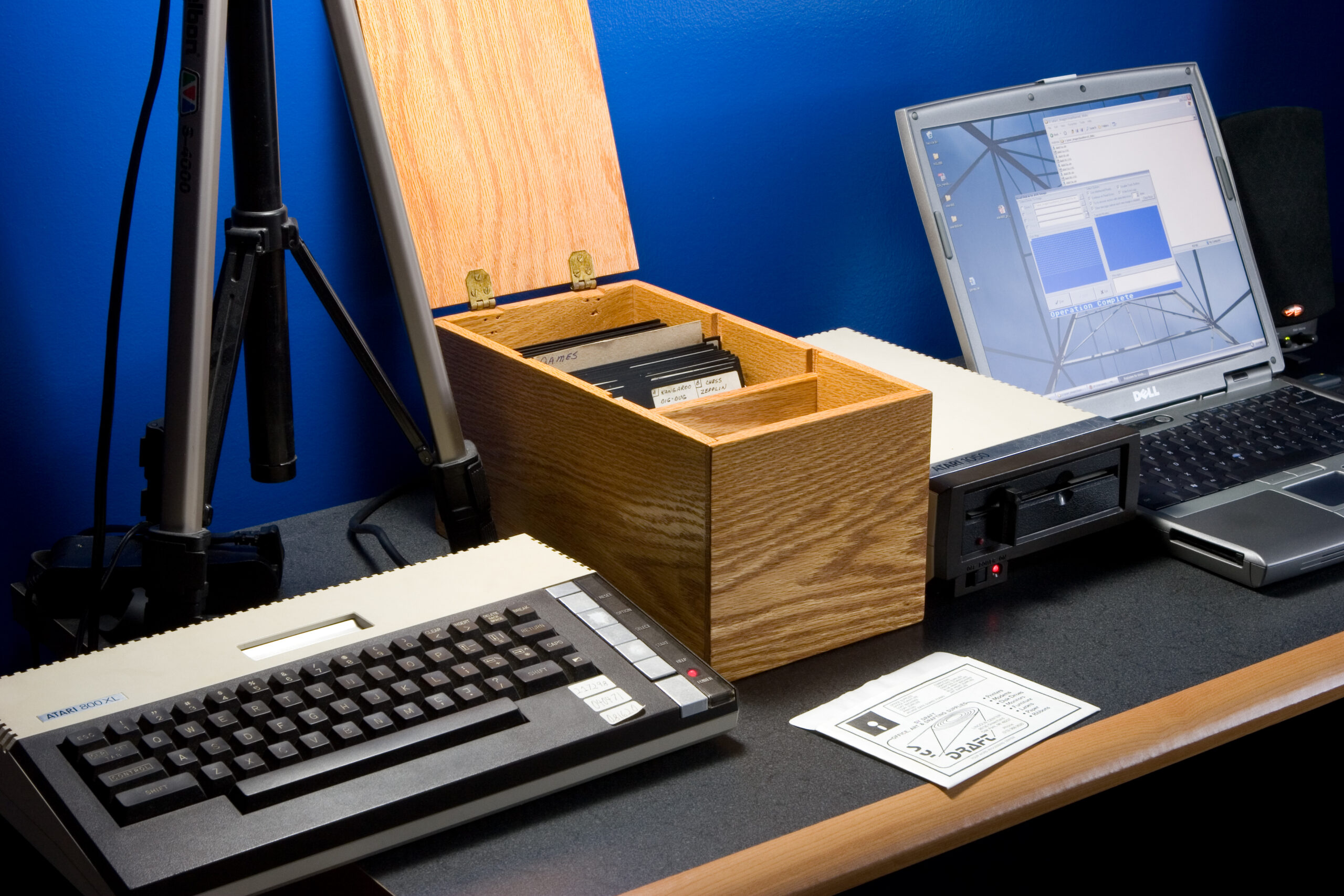
Ahh. 49 disks, 81 sides (some disks only have data on a single side), two unreadable sides, and 7,466,256 bytes later I now have images of all the disks available to me on my parents’ Atari 800XL.

Now to do a bit more cataloging, sort out what contains personal data, and find a good way to post them. That bit may come another day. ;)

computerselectronicsmoved from livejournal

Atari Floppy Images

Imaging Atari floppies.

Imaging Atari floppies.

I’ve spent most of today thus far imaging floppy disks using my work laptop, an Atari 1050, an Atari 800XL (as a SIO power injector), a Universal SIO2PC Interface, and ProSystem.

I still haven’t figured out exactly how I’m going to archive and distribute them, but it’ll probably involve serially numbered disks, a page (or pages) on nuxx.net, a listing of files on each disk, bad sectors in each image, and an optical scan of each disk. There will also be scans of the different varieties of Tyvek and paper sleeves, including logos of the computer stores advertised on them.

Doing this will be a good bit of work, but then (at least) the disks will be archived.

computerselectronicsmoved from livejournal

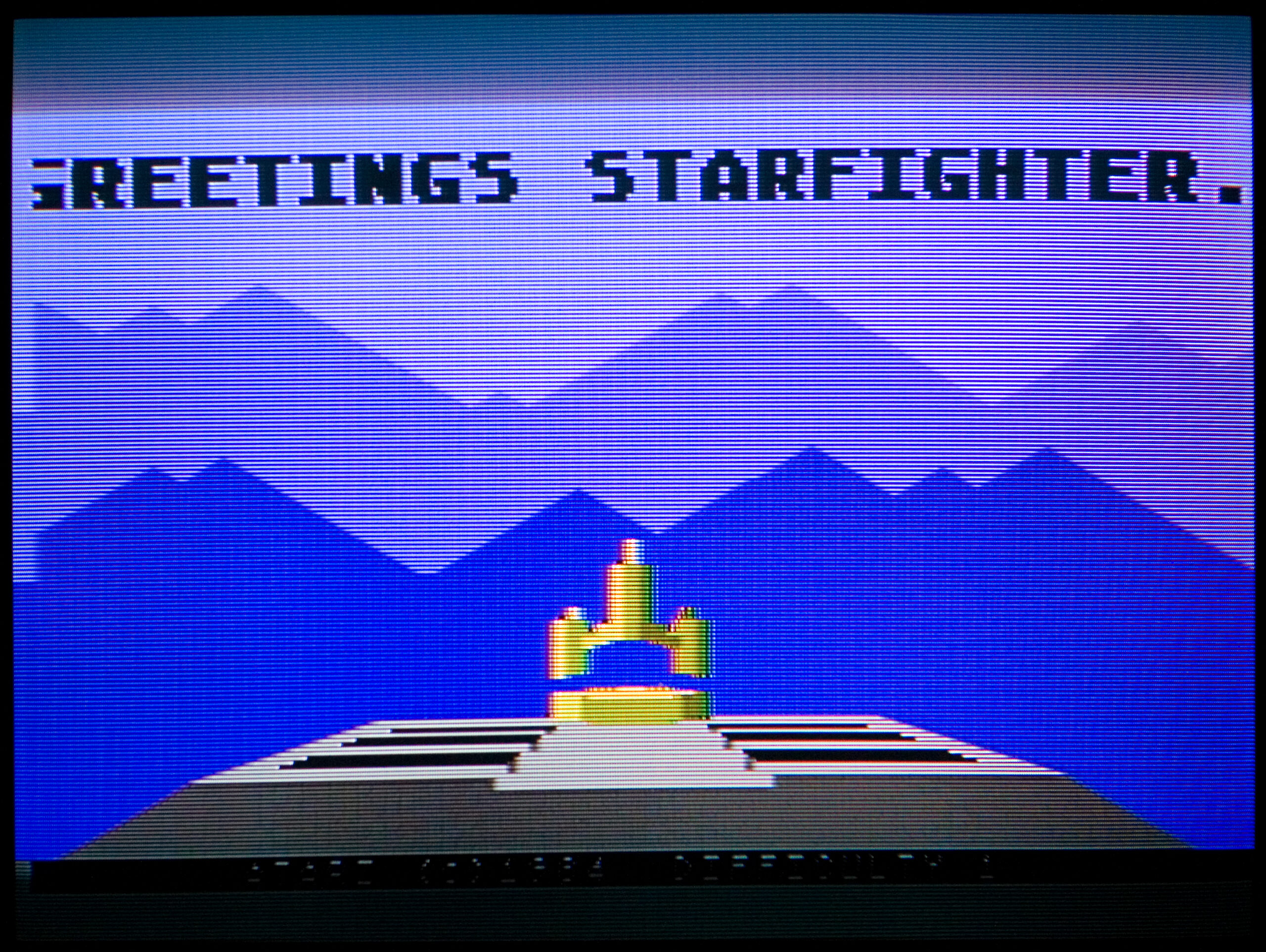
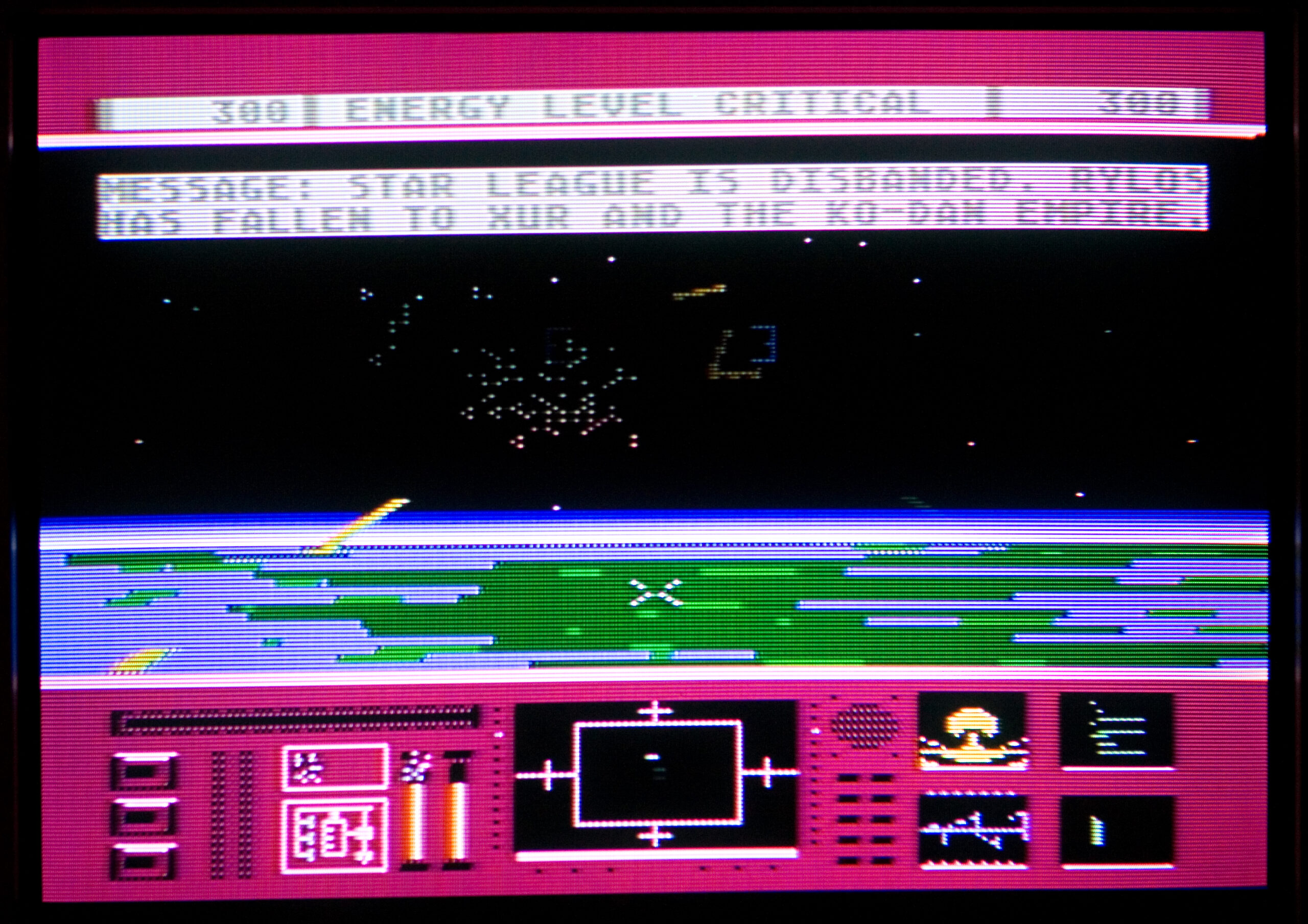
The Last Starfighter on Atari 800XL

The Last Starfighter on Atari 800XL
(No emulation, booting from a >20 year old floppy.)

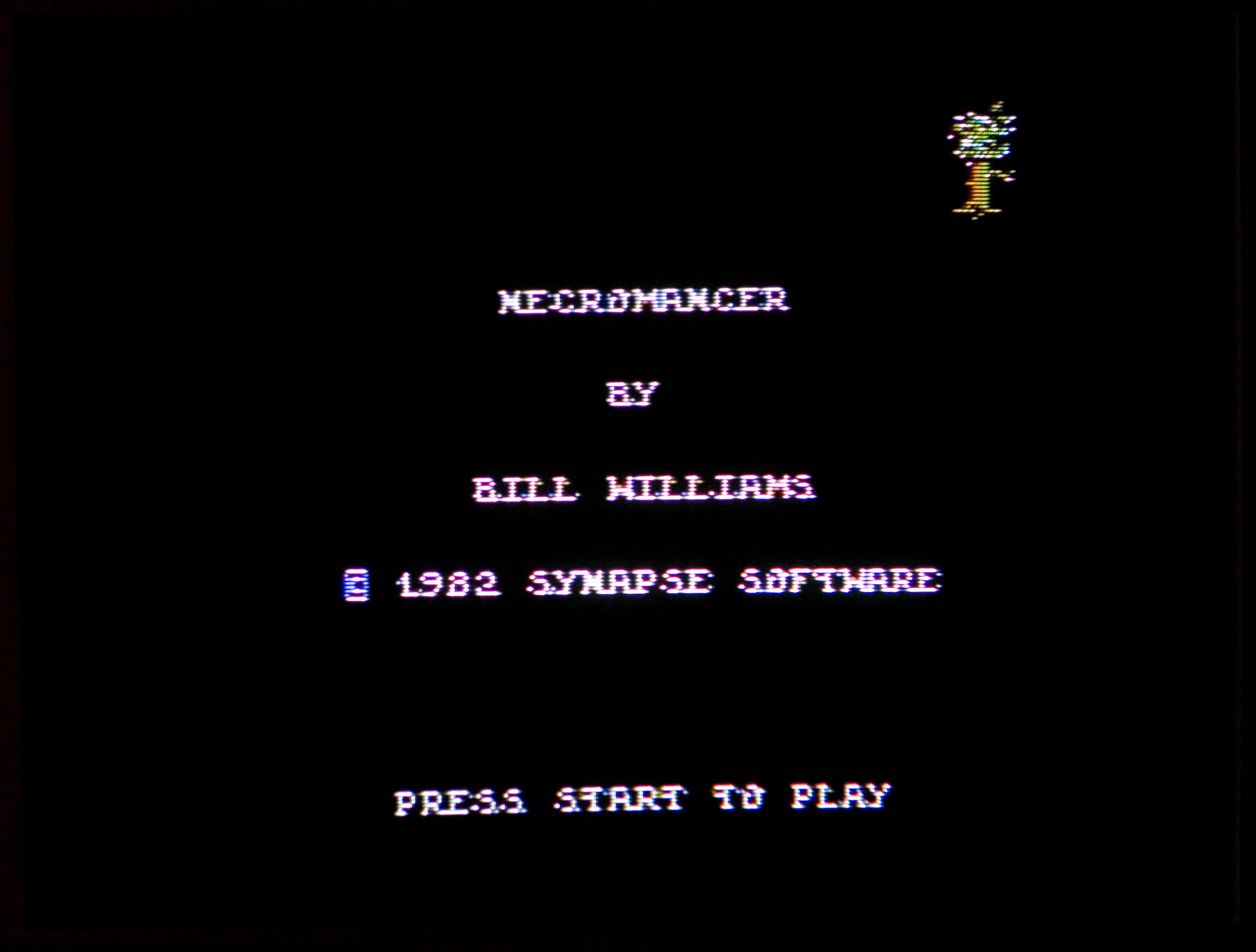
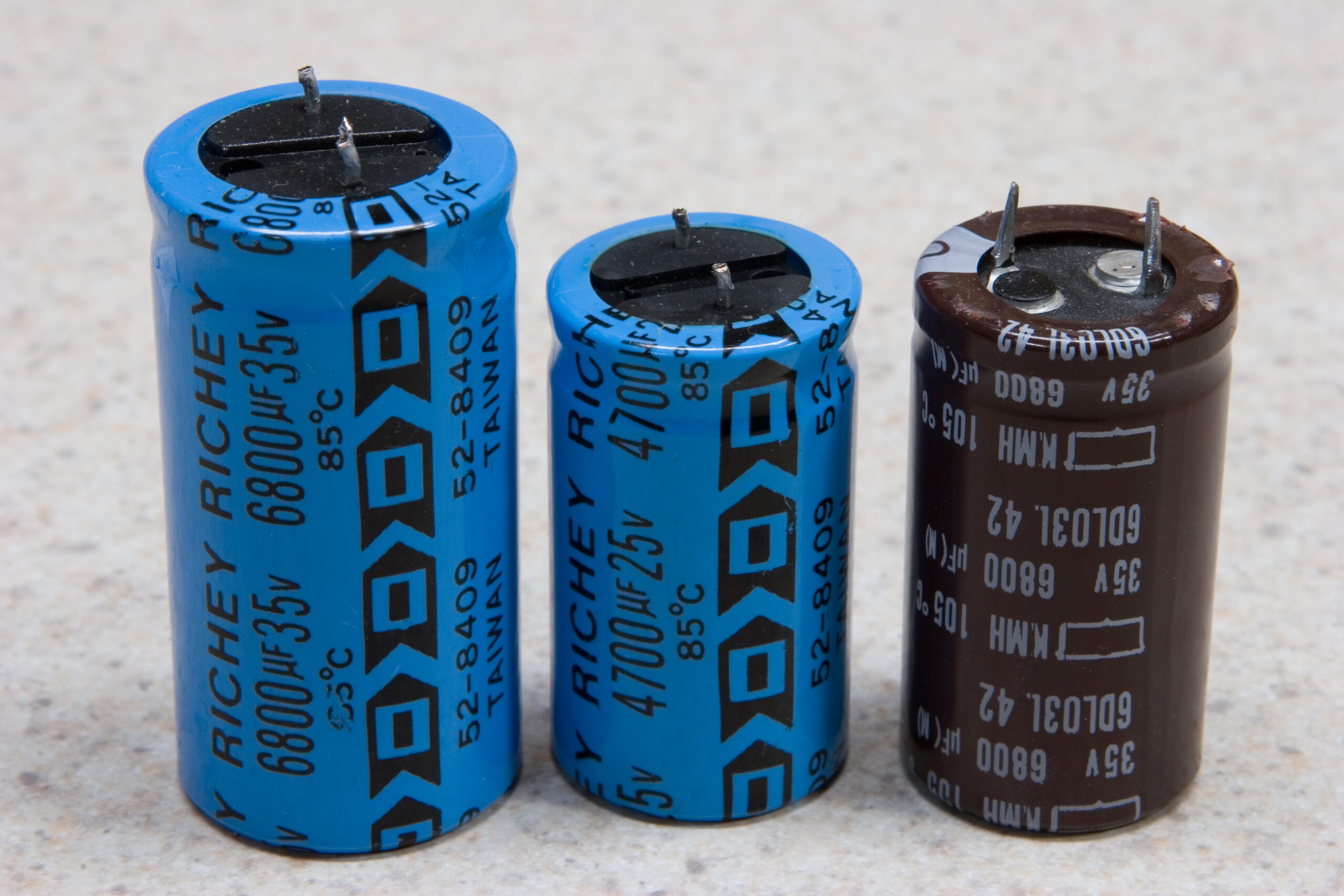
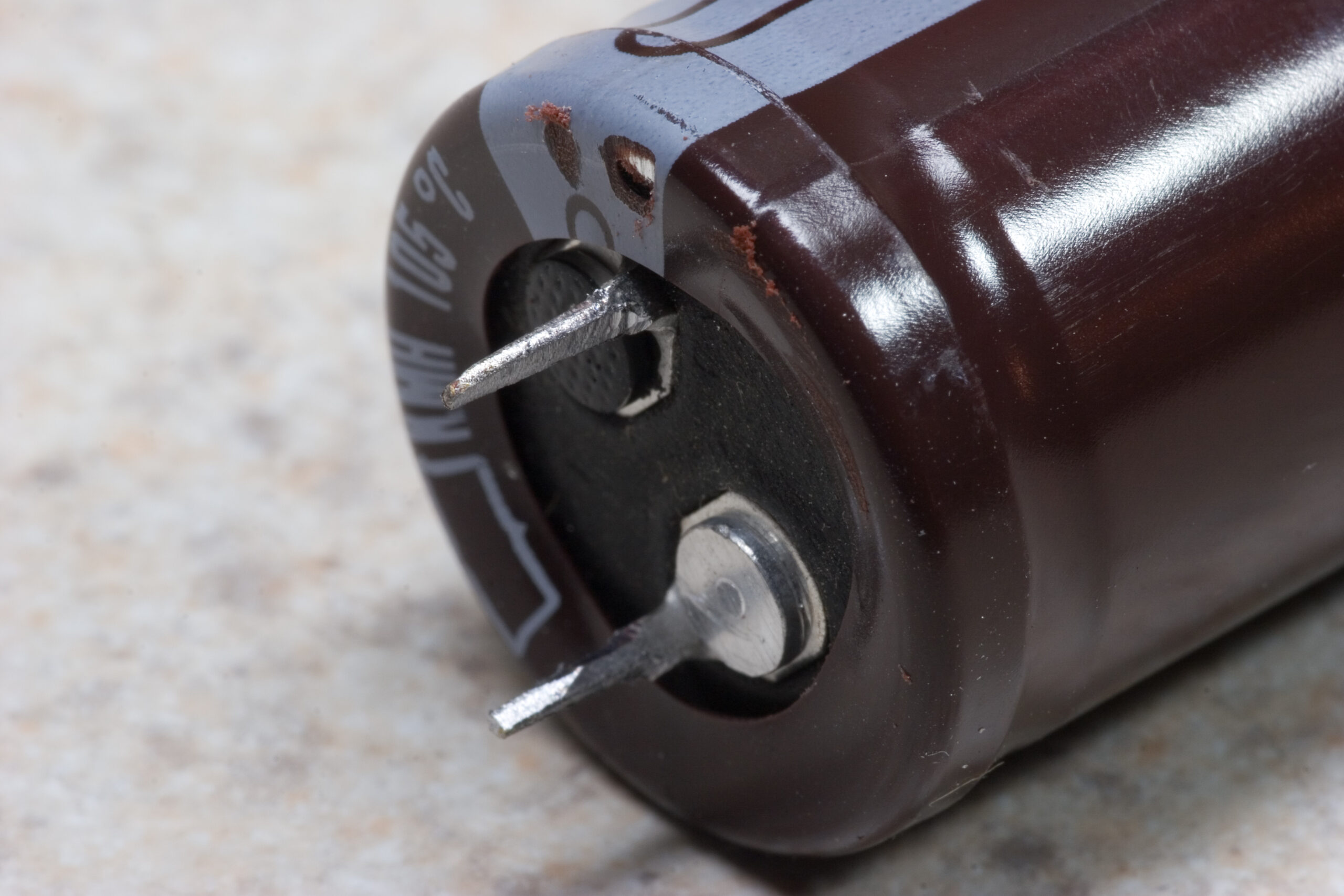
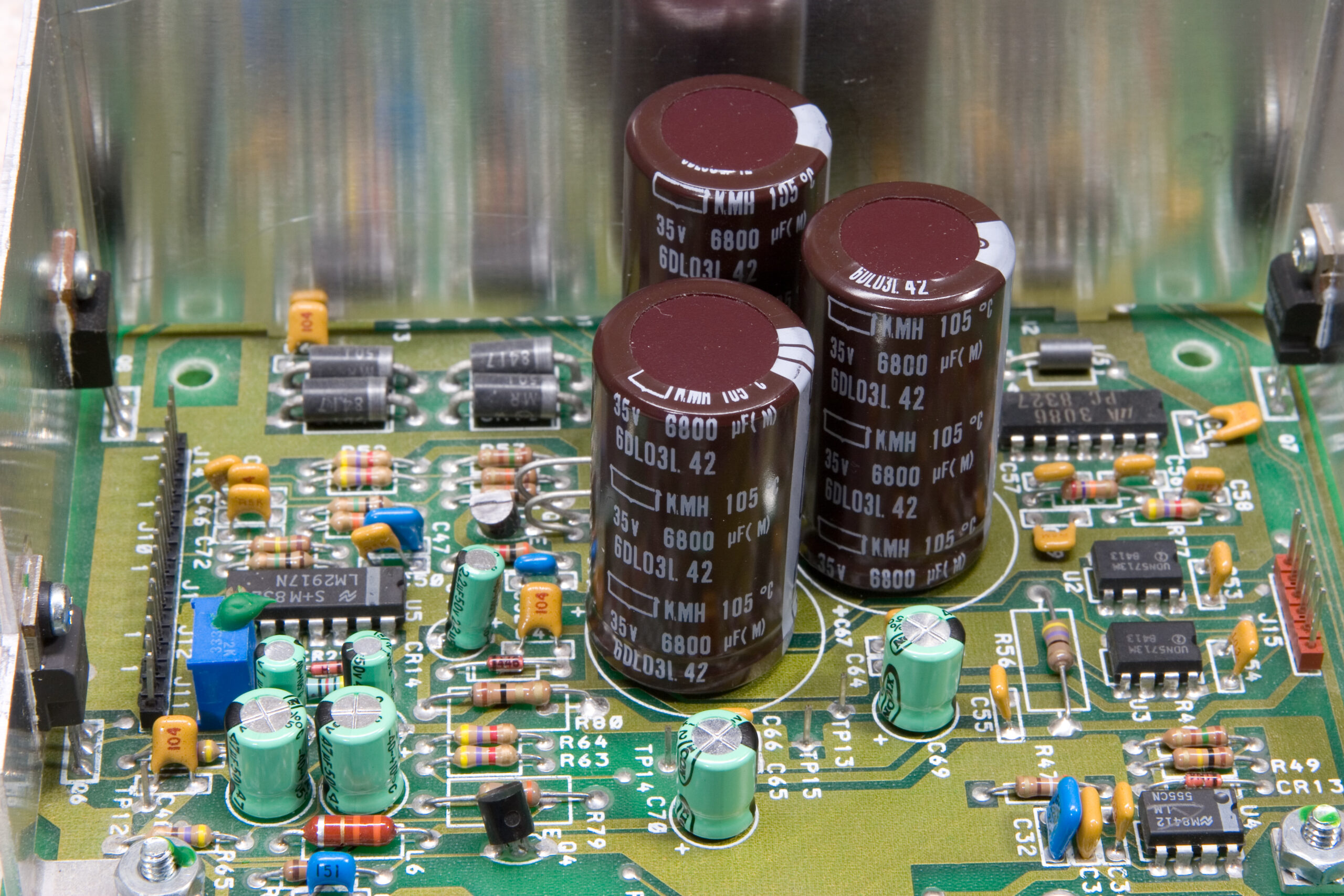
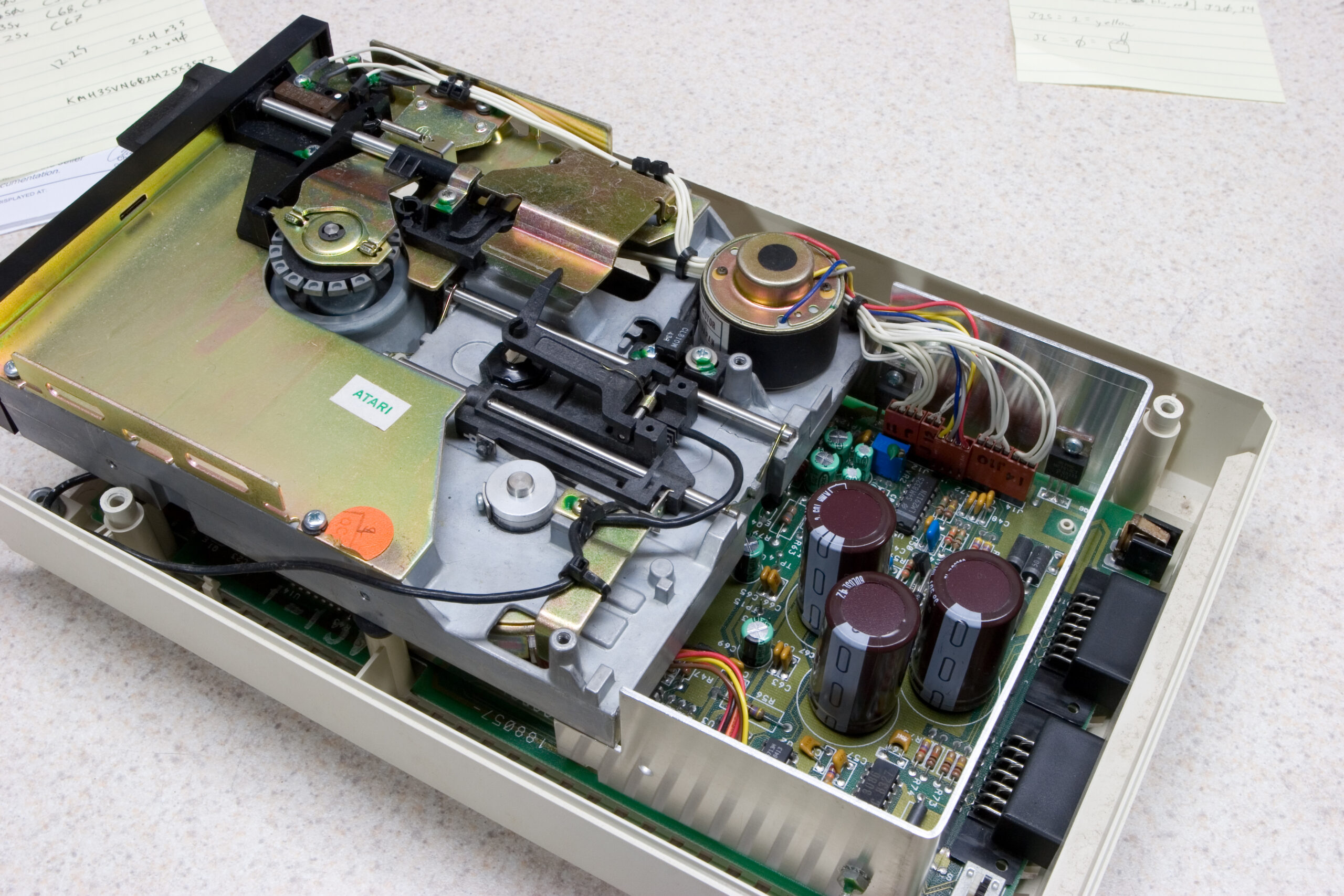
So, yes. The Atari 1050 floppy drive that I was attempting to fix is… Well… Fixed. I also played some Necromancer too, before turning it off and ceasing working for the evening. The new caps are considerably smaller than the old ones, but the snap in pins were large enough that they had to be ground down to fit. Once all the new electrolytic caps were in place and I’d jumpered around the trace I lifted earlier and tested everything, it was time to put the RF shied on the board and put it back in the enclosure. I was a bit nervous about reconnecting the floppy drive because of the many different connectors, but it worked out.

I then put it all together, hooked it up to the TV, and tried to boot a game disk, which failed. Next I tried a DOS disk and that worked, then finally The Last Starfighter beta and Necromancer. So, it looks like that first failure was just a problem with a single disk. Hopefully I can still read the rest of it.

With any luck the SIO2PC adapter will come pretty soon and then I can image as many of the old floppies as possible. Now, bed.

electronicsgamesmoved from livejournal

1050 Parts Ordered

Well, it looks like the total cost to replace all the electrolytic caps in the Atari 1050 is about US$12. The 35V 6800μF caps were a little pricey at $3.02 each, but it should be worth it. Hopefully I’ll have all the parts and bits to connect things by the end of the week and I can image the floppies this weekend.

acquired thingselectronicsmoved from livejournal

Atari 1050 is looking up!

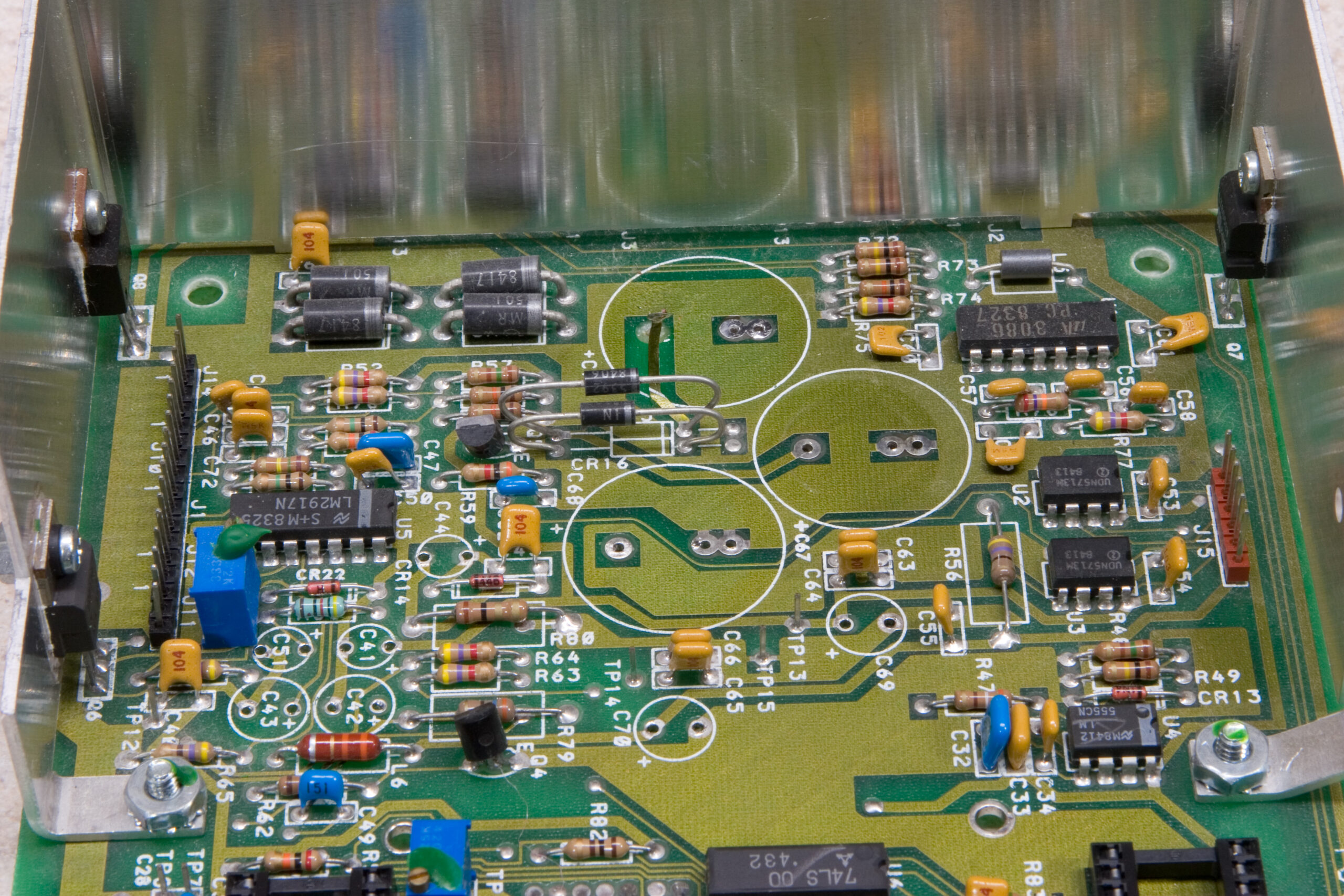
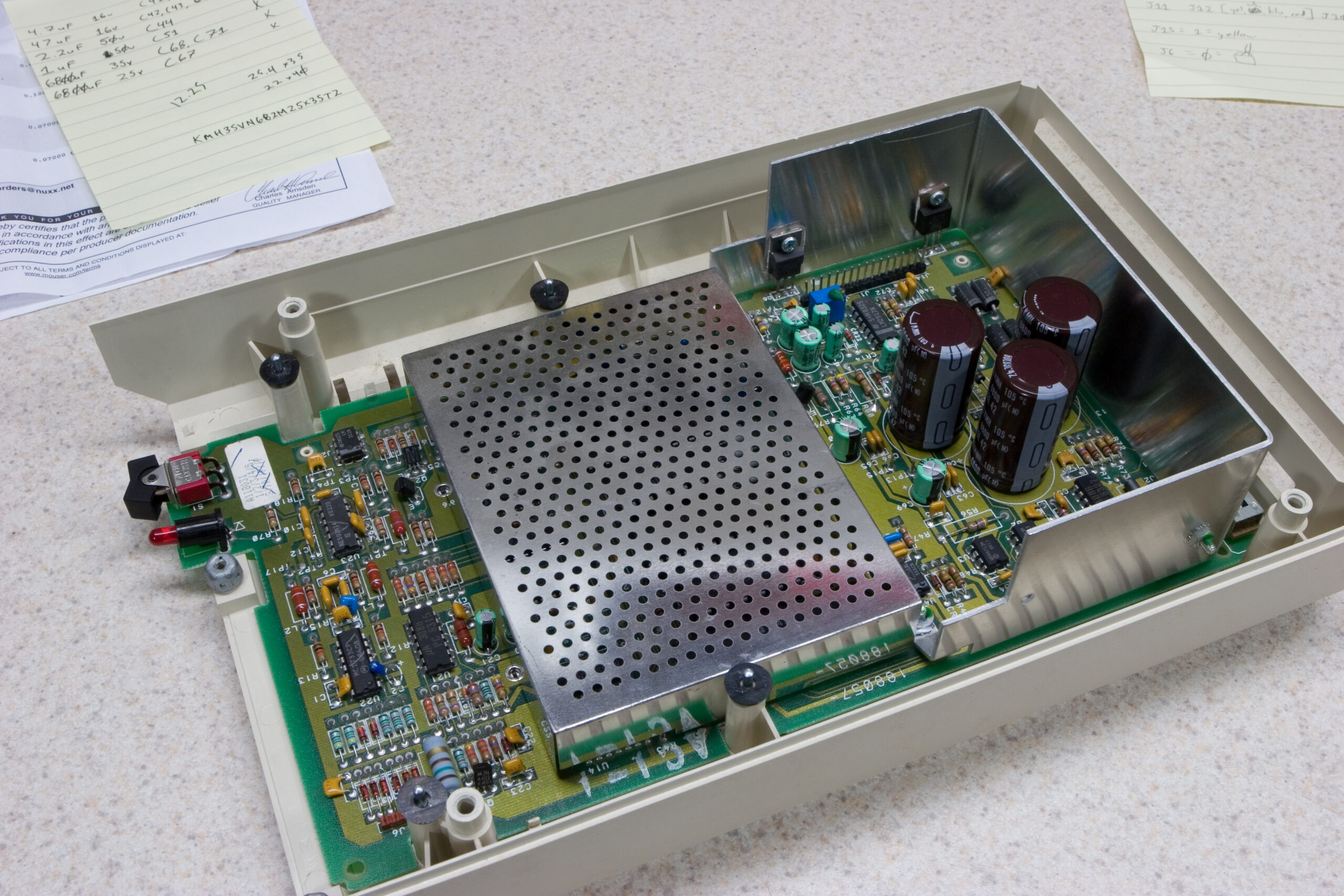
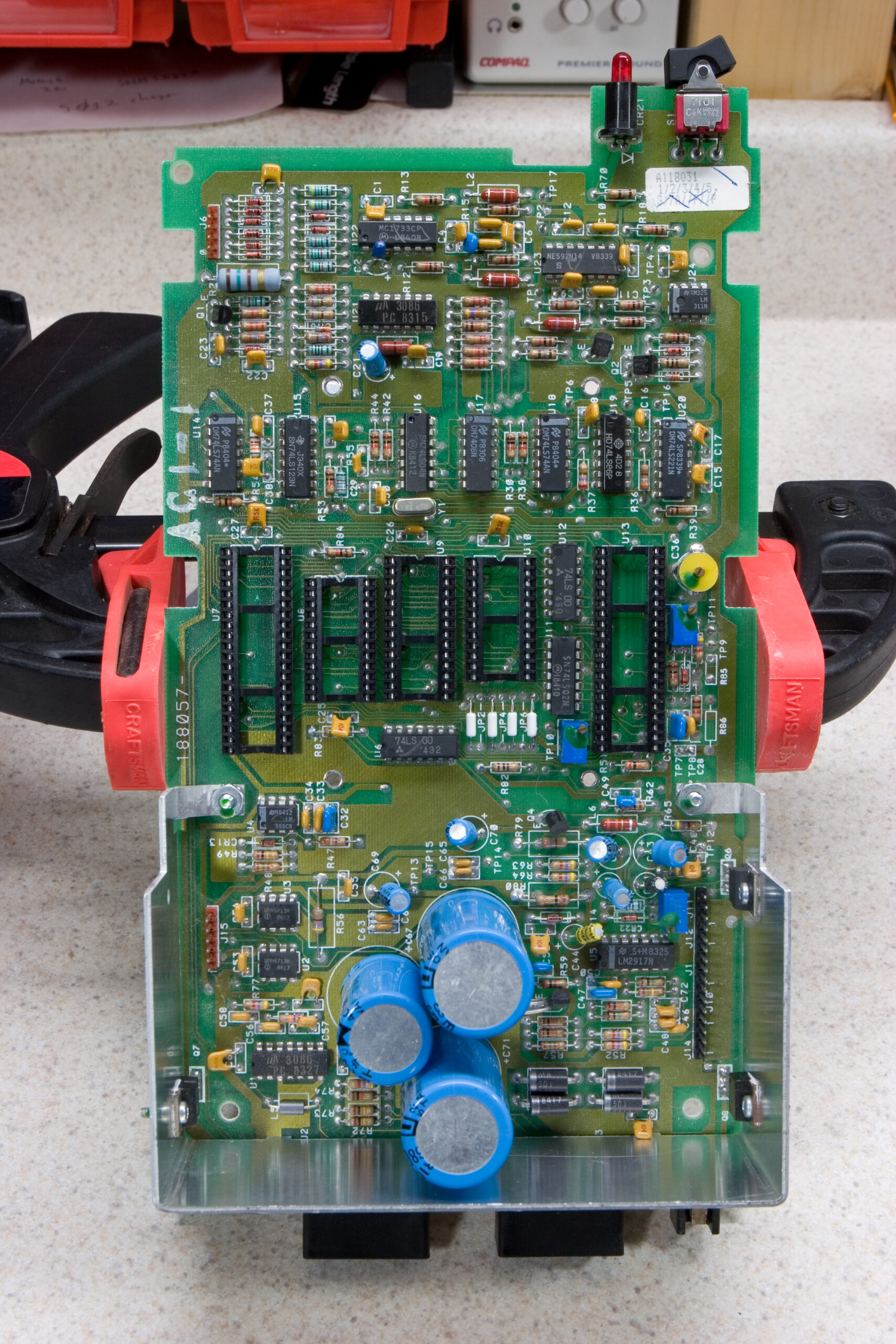
Atari 1050 drive PCB with most of the electrolytic caps removed.

Atari 1050 drive PCB with most of the electrolytic caps removed.

Well, it appears that I’ve got the problem with the Atari 1050 sorted out. It seems that some of the 47μF caps (C42, C43, C69, C70) were bad, causing the shorts. I’ve also removed all of the other electrolytic caps and will be ordering replacements from Mouser tomorrow. (The board had looked like this before.)

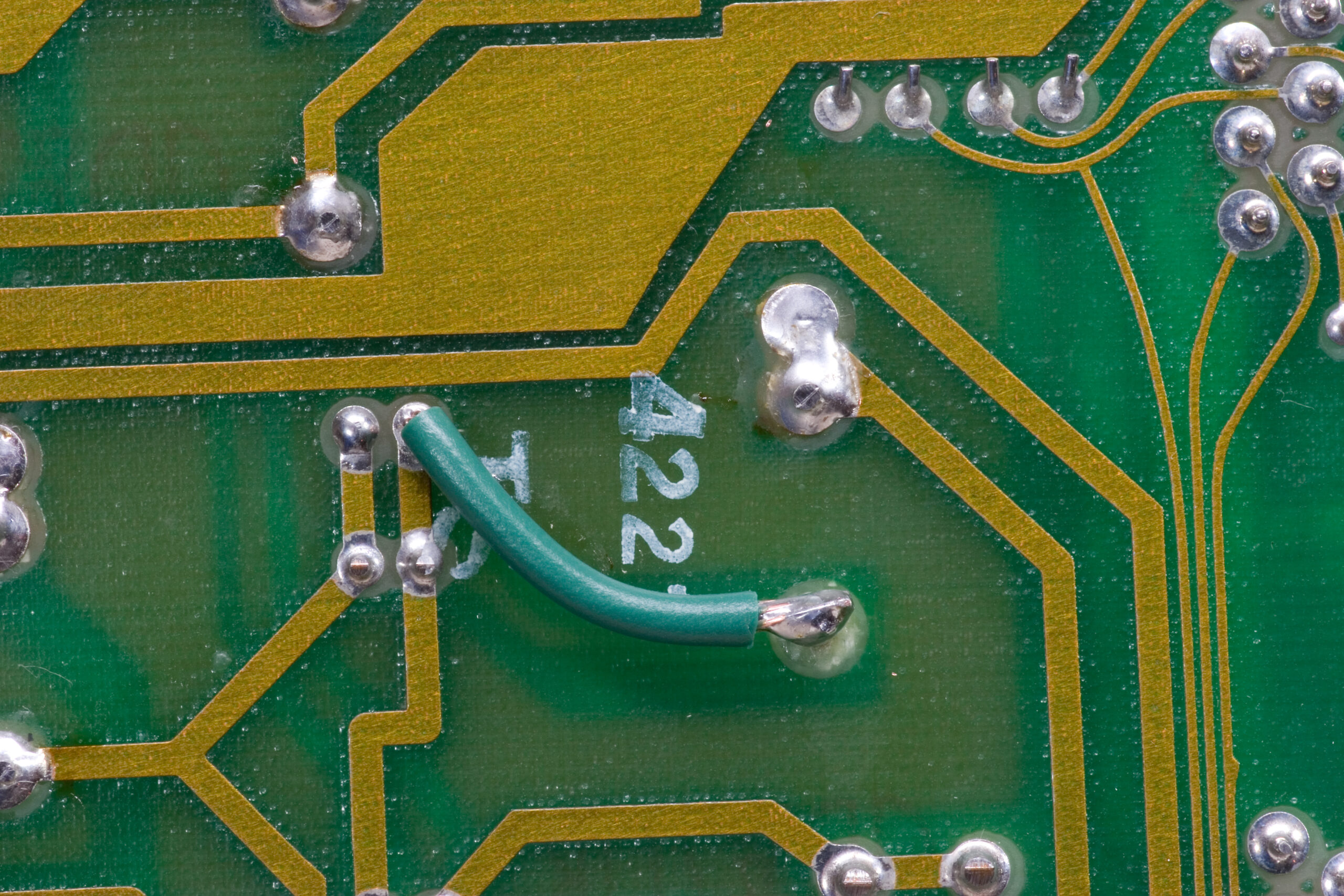
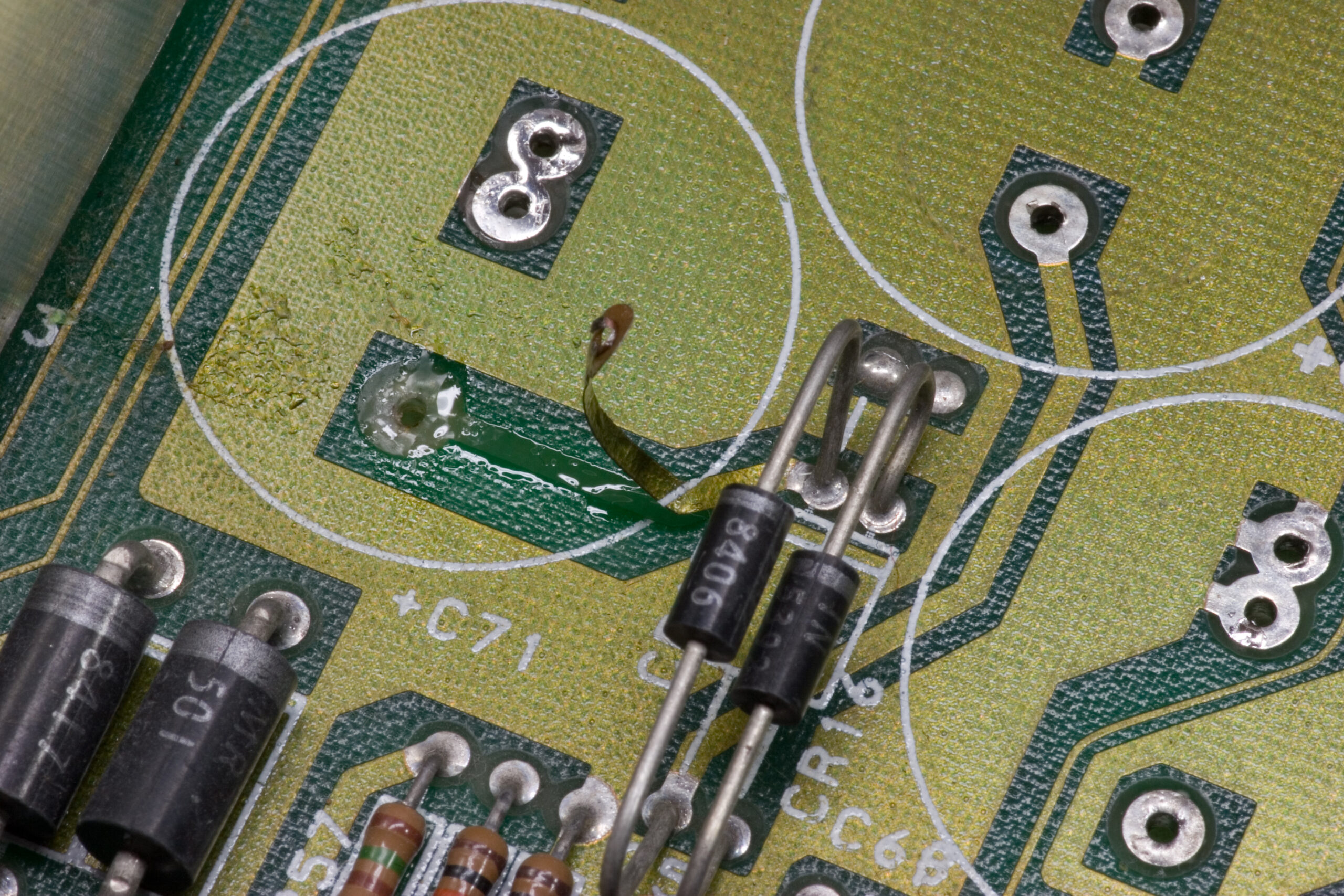
I did make one pretty substantial mistake and inadvertently lift a trace on the top of the board when removing one larger caps. The hole really didn’t seem through-plated and the leg of the capacitor didn’t let go from it, and I peeled it right back. Thankfully it should be very easy to jump around with a 2″ piece of wire, so when I put it back in place I’ll do that.

Hopefully by the end of the week I’ll be able to properly image old 800XL floppies. Yay!

electronicsmaking thingsmoved from livejournal

Electrolytic Caps

Question for anyone who can answer it…

When electrolytic caps eventually fail due to aging, will they ever fail in a shorted state? That is, a state of being conductive?

This is going back to the Atari 1050 floppy drive I mentioned before. I’ve pulled the mainboard, removed all socketed ICs, and disconnected the electromechanical bits of the board. The short is still there, so I know that the problem is somewhere on the board. As it was working fine the last time I tried it (a number of years ago) I’m guessing that the failure is in a part which degrades with age.

There are some rather large electrolytic caps on here, including some smoothing ones which are (likely) located right after the LM7805 and LM7812. I figure if these have failed shorted, they could cause the problem that I’m seeing.

I’ll probably try pulling them tonight or tomorrow and seeing if the short(s) go away. If so, I might just replace all of them. There are only nine, so it shouldn’t be too expensive to try, and I need to place a Mouser order for other stuff already.

(And no, I can’t find a schematic for it, unfortunately.)

electronicsmoved from livejournal

Atari 800XL Composite Video Cable

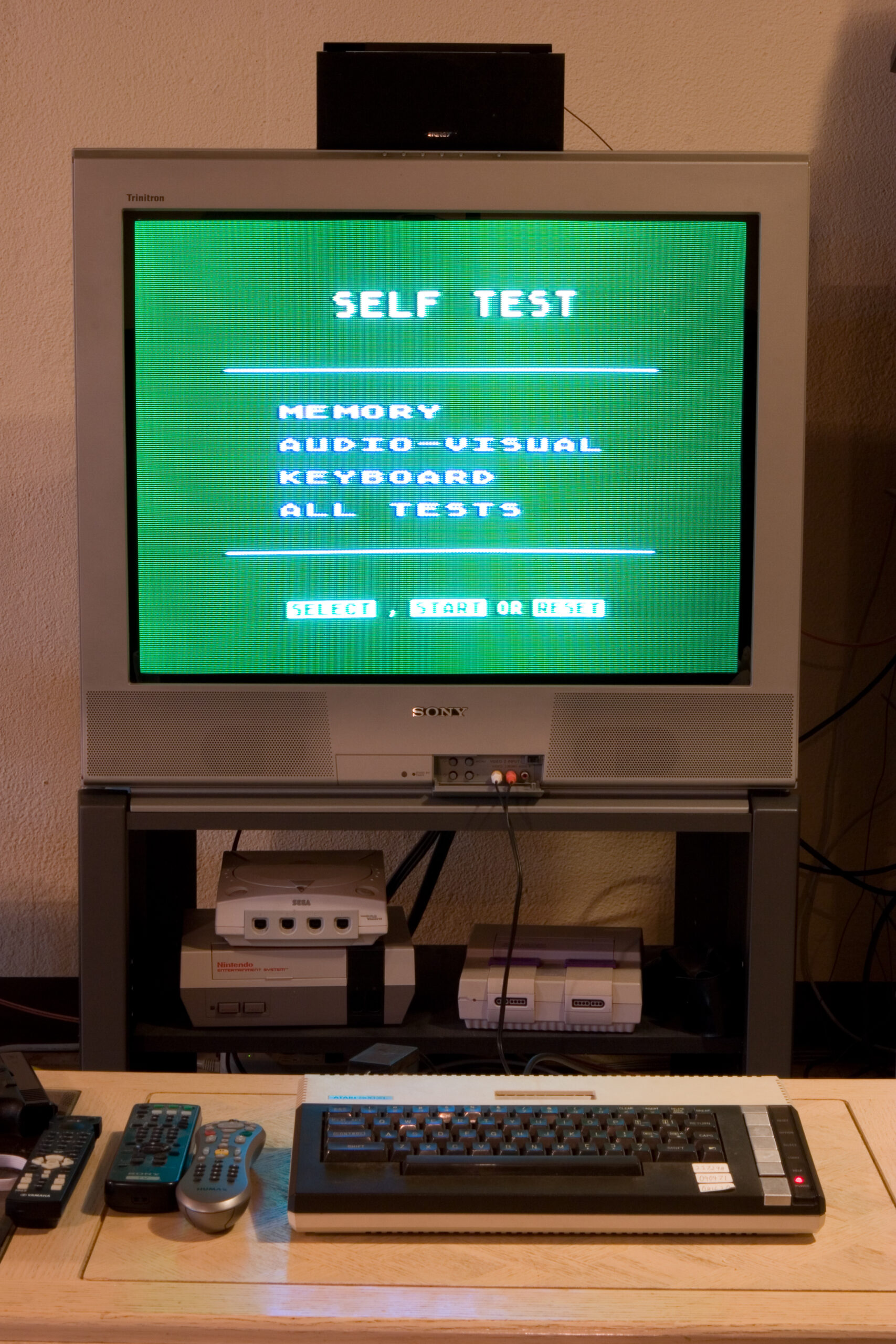
Atari 800XL and TV

Atari 800XL and my TV

Thanks to this page about the Atari 800XL’s monitor connection output I was able to cobble together a composite video output cable for my parents old Atari 800XL. Thankfully the monitor connection is a standard DIN5 connector, so it was made by sacrificing a spare MIDI cable and an old red / white RCA cable pair.

After the SIO2PC adapter arrives and I’m able to either fix my Atari 1050 floppy drive or borrow one from someone I’ll begin imaging the whole box of floppies leftover from my youth. This will be done using Ape and ProSystem to copy all the old disks to images so they can be archived. Then they can either be run under emulation, or directly on the 800XL with the PC pretending to be the floppy drive (via the SIO2PC).

I should probably also consider doing something with the tape drive as well. Maybe pulling data / games off of that or something… Hmm…

electronicsmaking thingsmoved from livejournal

Dead Short

Do any of you have any good pointers for troubleshooting a dead short in electronics stuffs?

I tried to power up my Atari 1050 earlier today and found that the power LED wasn’t illuminating. Opening it up showed that AC power is getting into it and being rectified, but the output legs of the LM7805 and LM7812 shows a dead short to ground.

Unfortunately I’m having a hard time finding a schematic for it. :(

electronicsmoved from livejournal

DAC?

Can any of you recommend a decent DAC for me? I want to convert TOSLINK and S/PDIF to something I can feed into my NAD receiver to drive a decent set of stereo speakers. It doesn’t have to be something great, but not crap either.

I’ll be using an external switch to select devices, so it only needs a single optical and coaxial input. I guess it could even just have a coaxial input and I could just get an optical to coax adapter.

Even a schematic for a known-high-quality adapter would work, I could just build one.

electronicsmoved from livejournal

9090 Front Panel Proposal


My first layout idea for the front panel of a desktop 9090, scrawled on a piece of paper.
(Click for higher res image…)

So, that 9090 that I’ve been working on? I’m really needing a project to work on again, so I’m going to keep working on it. It needs two caps installed on the board, an enclosure built, and final assembly, wiring, and testing.

This afternoon while on a conference call I figured out the number of pots I’d need and scrawled an initial layout on a sheet of paper. That there is what I came up with.

I’m curious what those of you who have used similar drum synths (or have an opinion on physical UI design) might think.

I may switch the Rimshot Level and Handclap Level (lower right corner-ish bits) around, and the LEDs and Master Level knob (upper right corner) might need some adjusting. Maybe move the Ride Cymbal set above the Crash Cymbal set.

So uhm… yeah. Any ideas?

electronicsmaking thingsmoved from livejournal