nuxx.net
Making, baking, and (un-)breaking things in Southeast Michigan.

Category electronics

Starting the Millett Hybrid Maxed (Millett MAX)

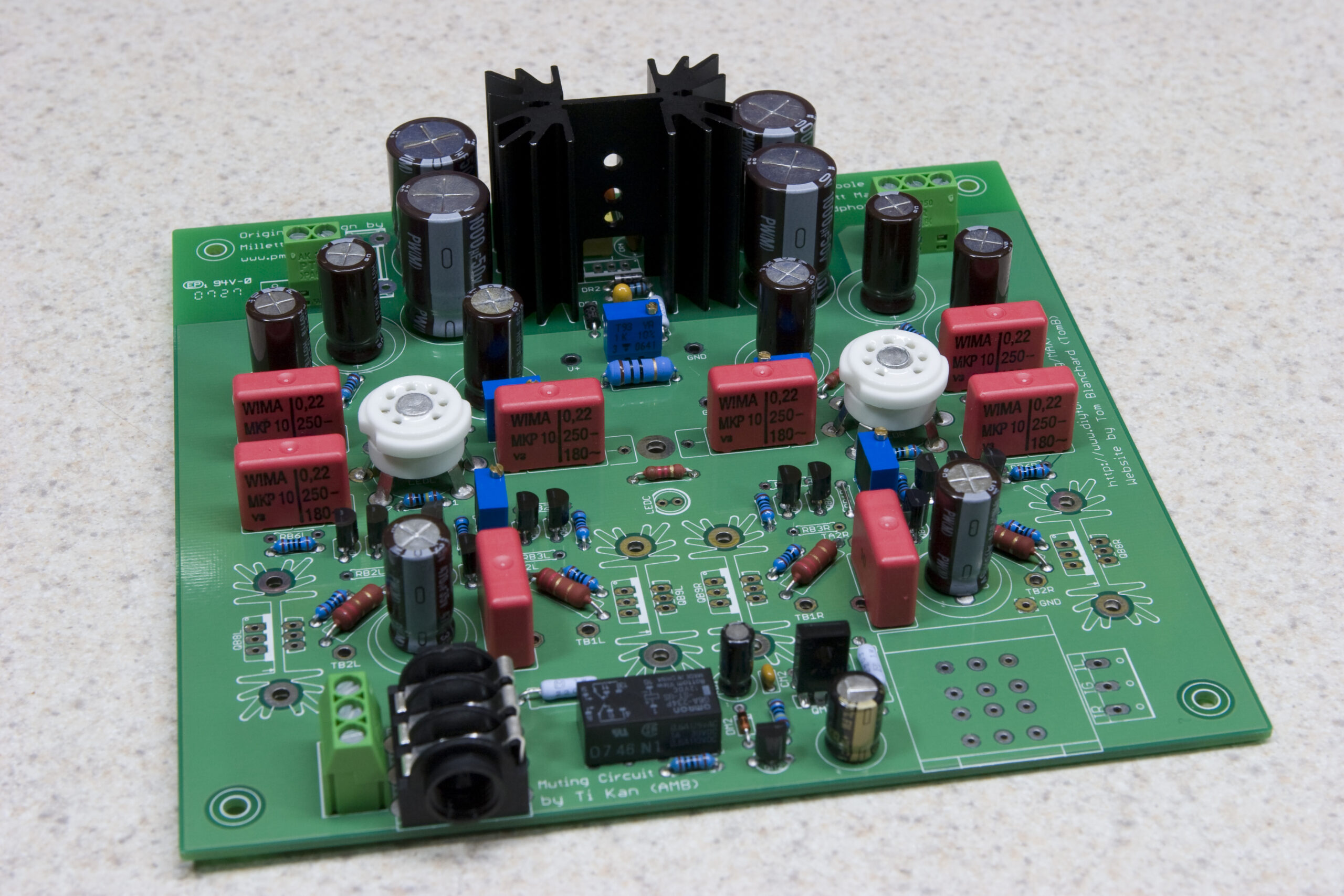
My partially completed Millett Hybrid Maxed PCB

That right there is what I did tonight… Well, I assembled as much of the Millett Hybrid Maxed PCB I reasonably could. I still have to get a few more parts for the board (headers, fuses, fuse holders, resistors), wash the board, fit a few more parts, build the enclosure, and a few other things. Then it’ll be done.

I also have to send his parts for it, which I’ll do after I get the rest of the parts.

Tomorrow I should received the PCBs for the RS232 to Eaton Leonard Level Shifter v2.0, and I’m going to try and build five tomorrow night. Hopefully they will work, work well, and be acceptable to the customer.

Photos from the beer fest, bricors’ place, and other things coming later. This was a good weekend. :D

electronicsmaking thingsmoved from livejournal

v2 Parts!

Ceramic Caps

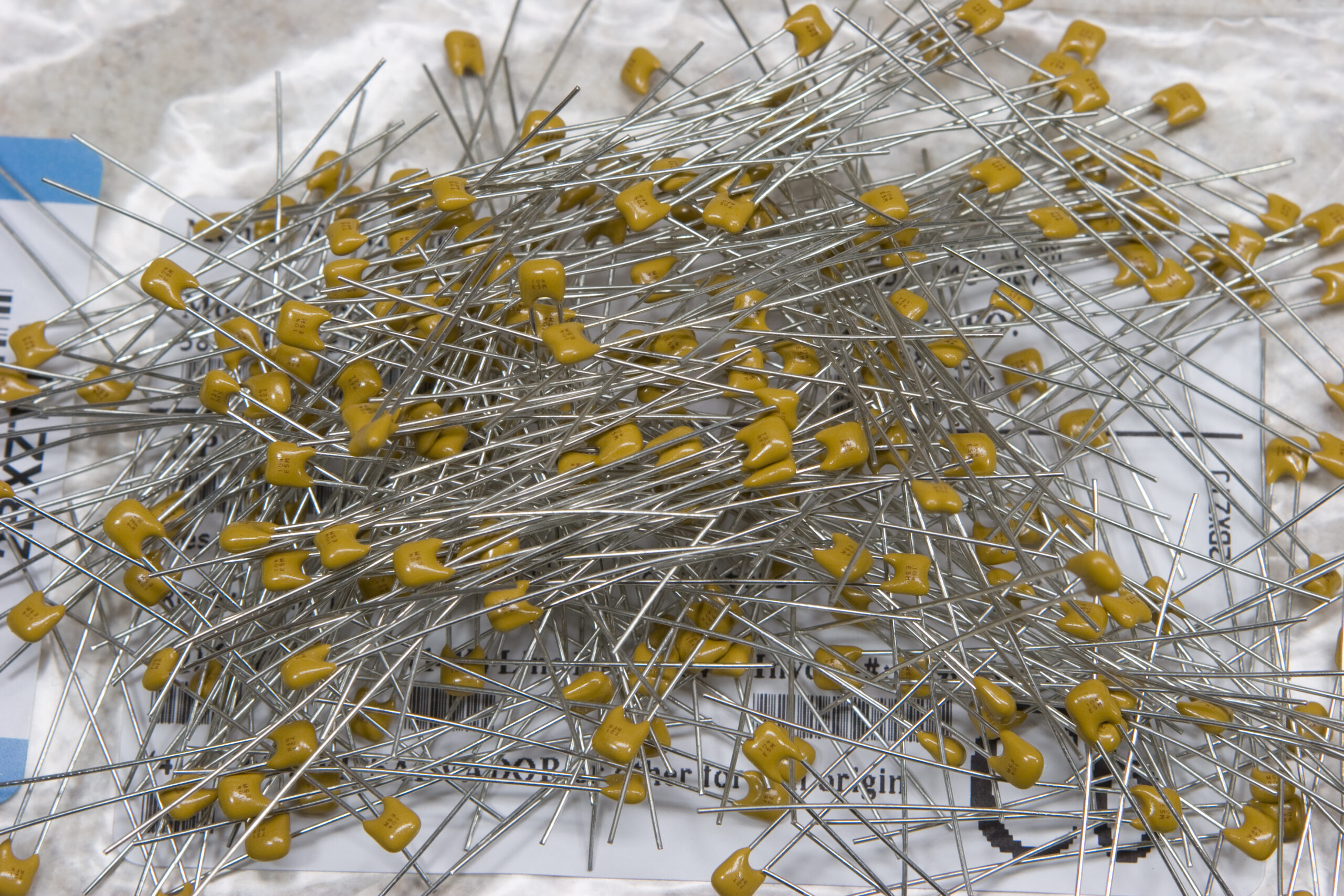
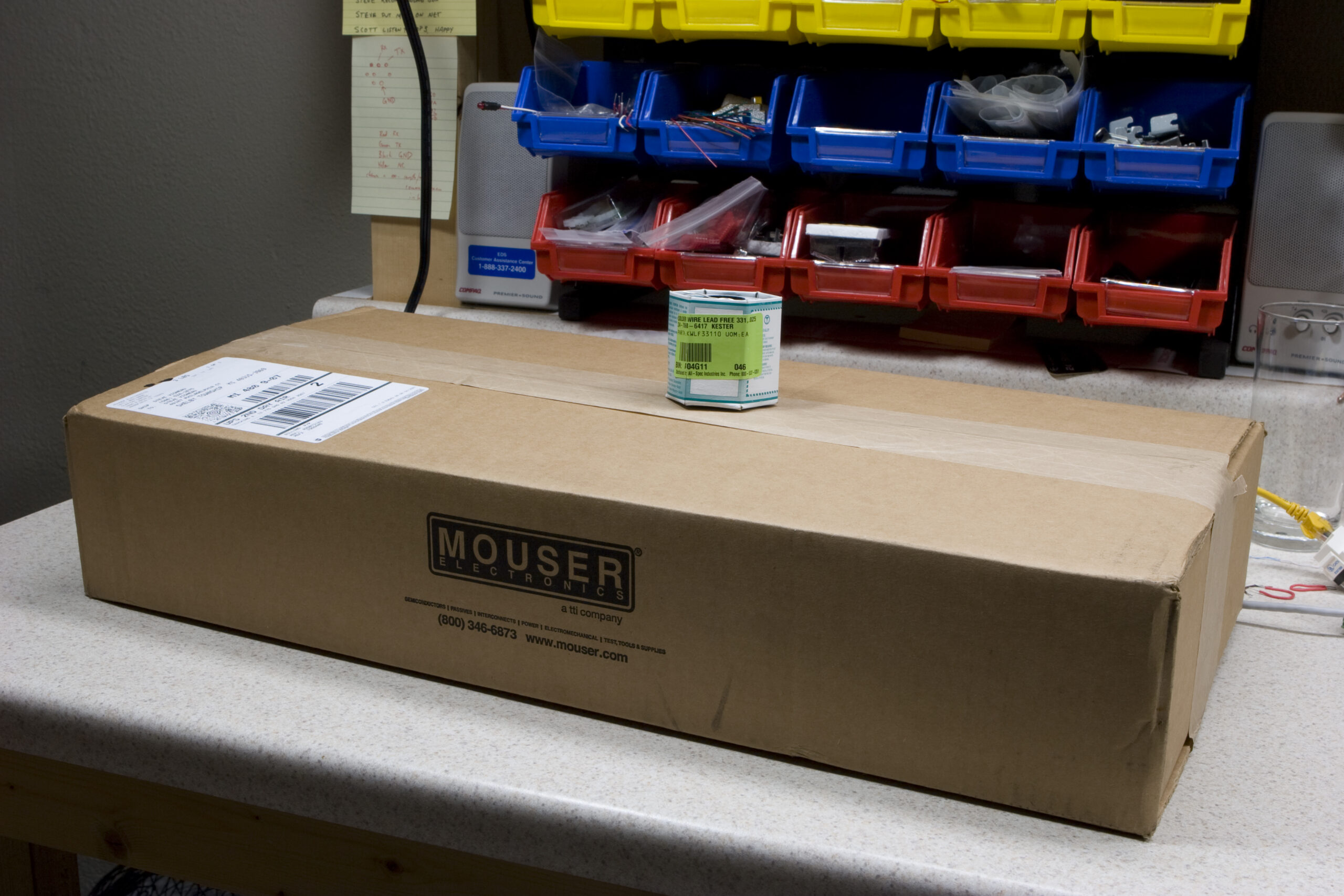
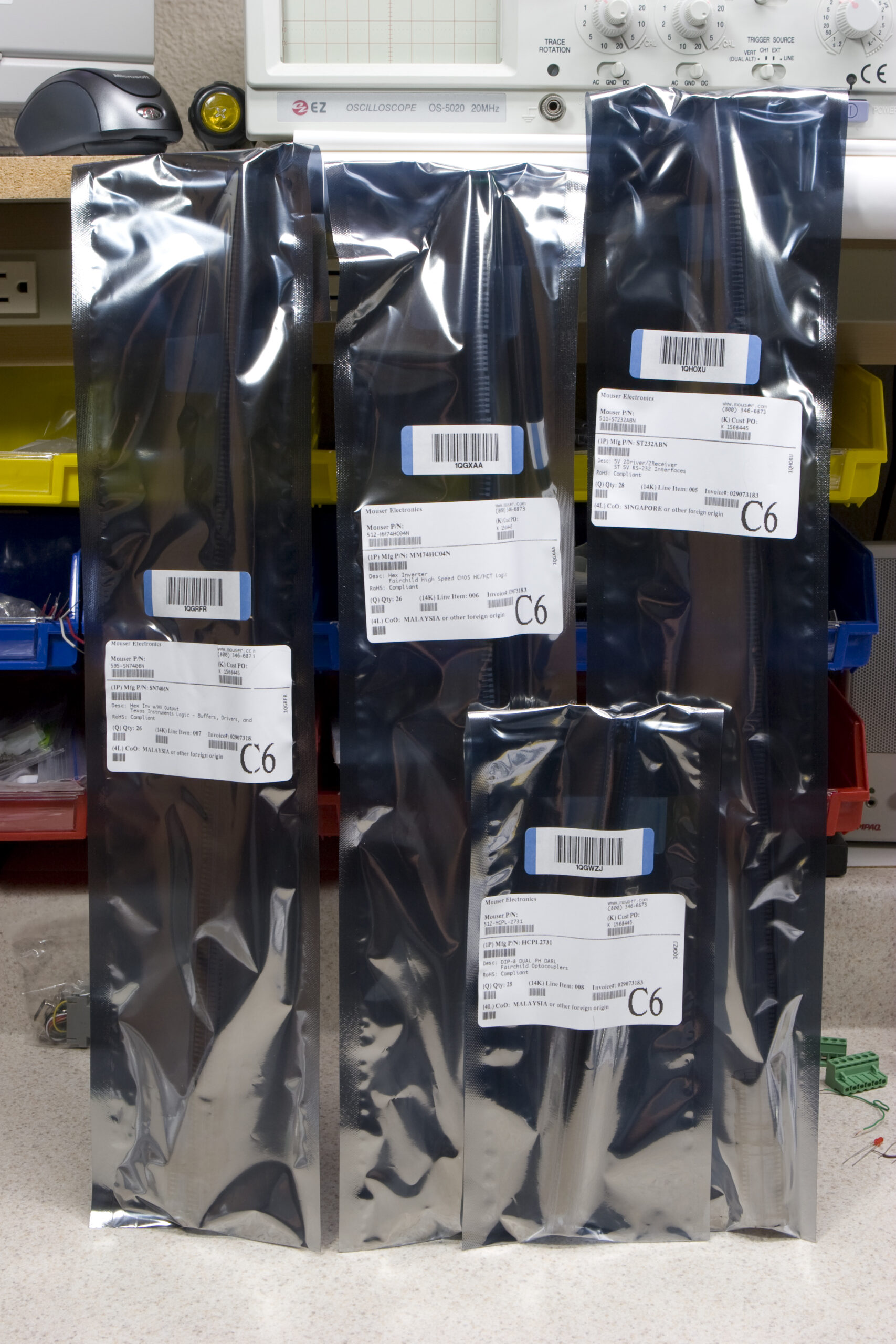
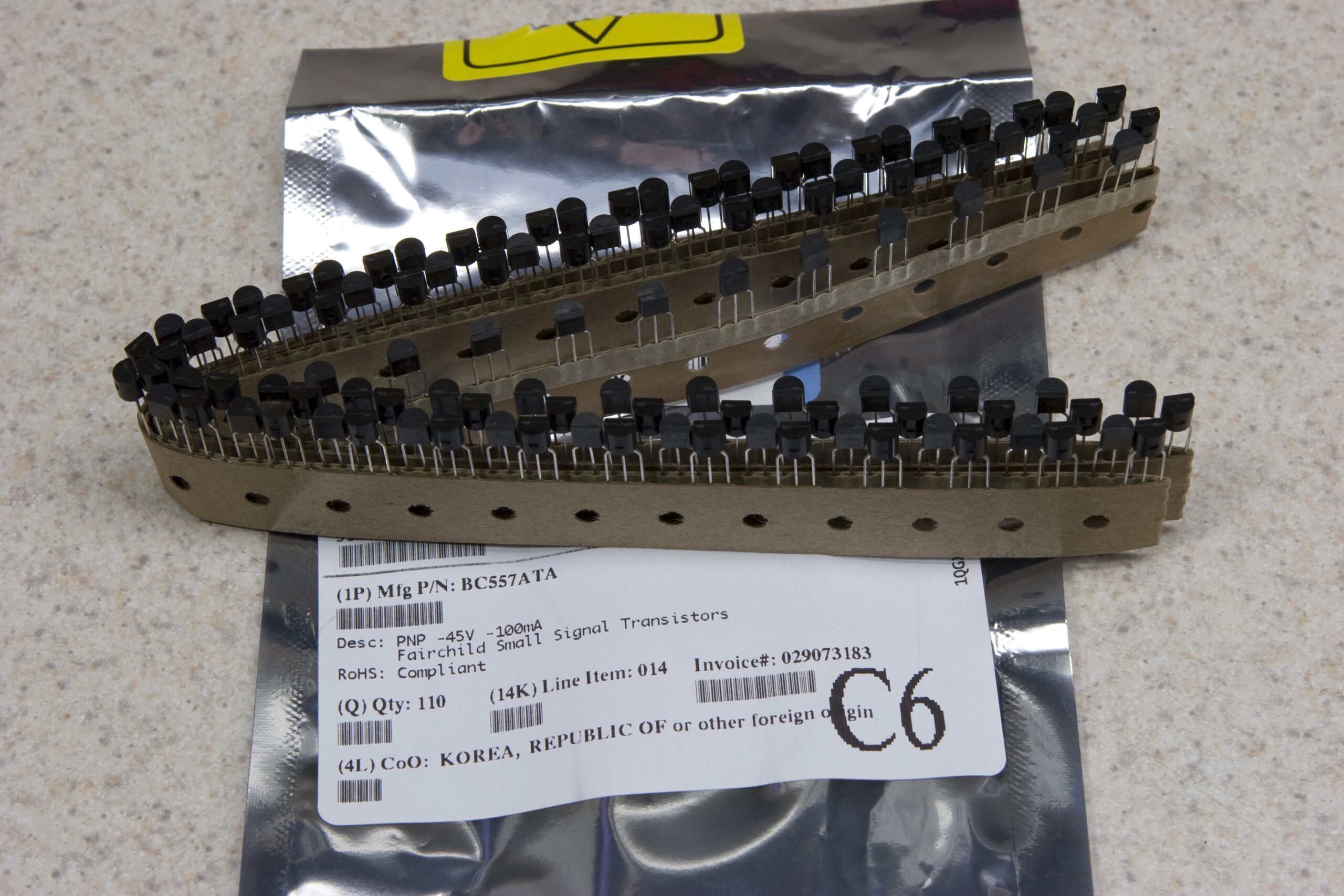
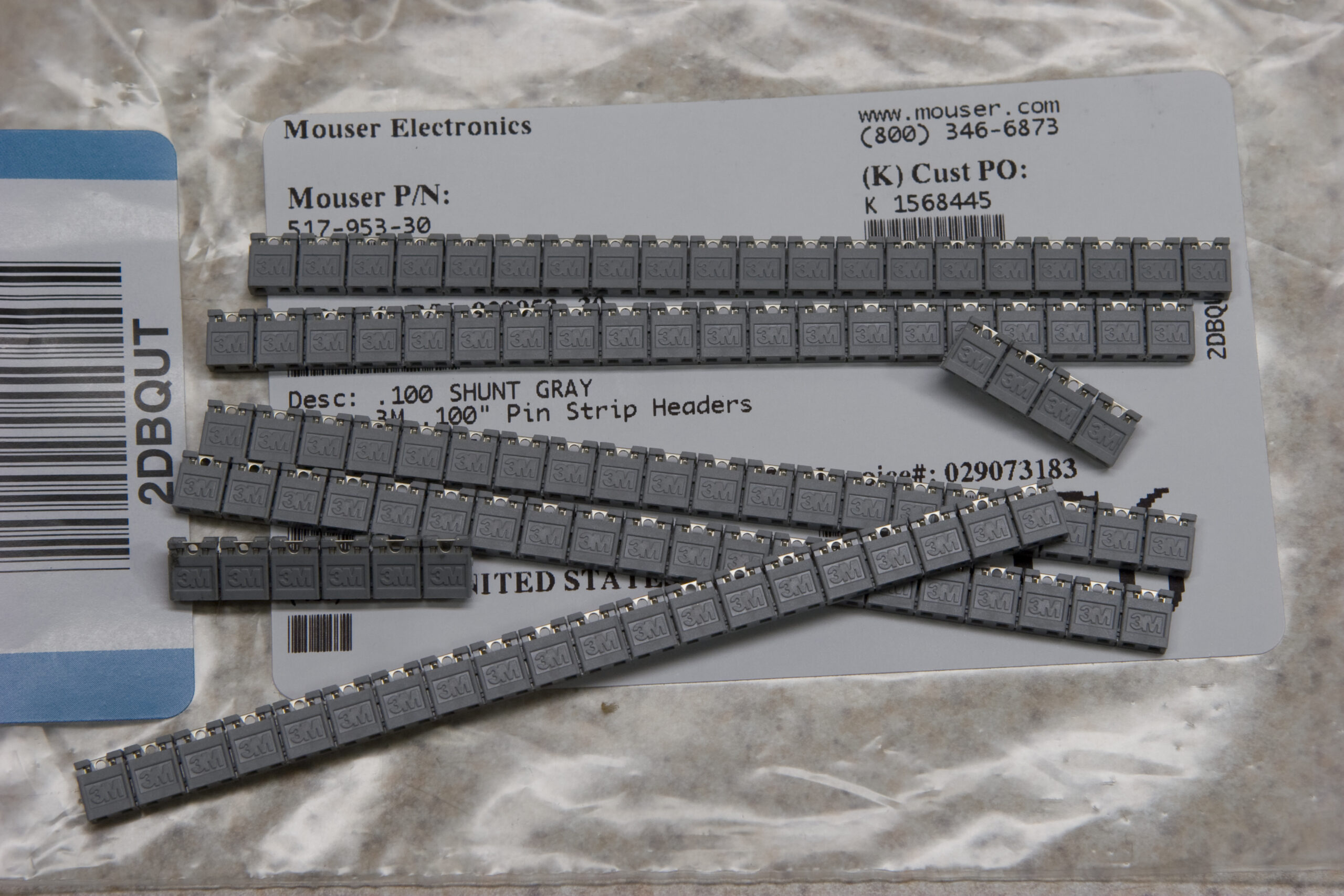
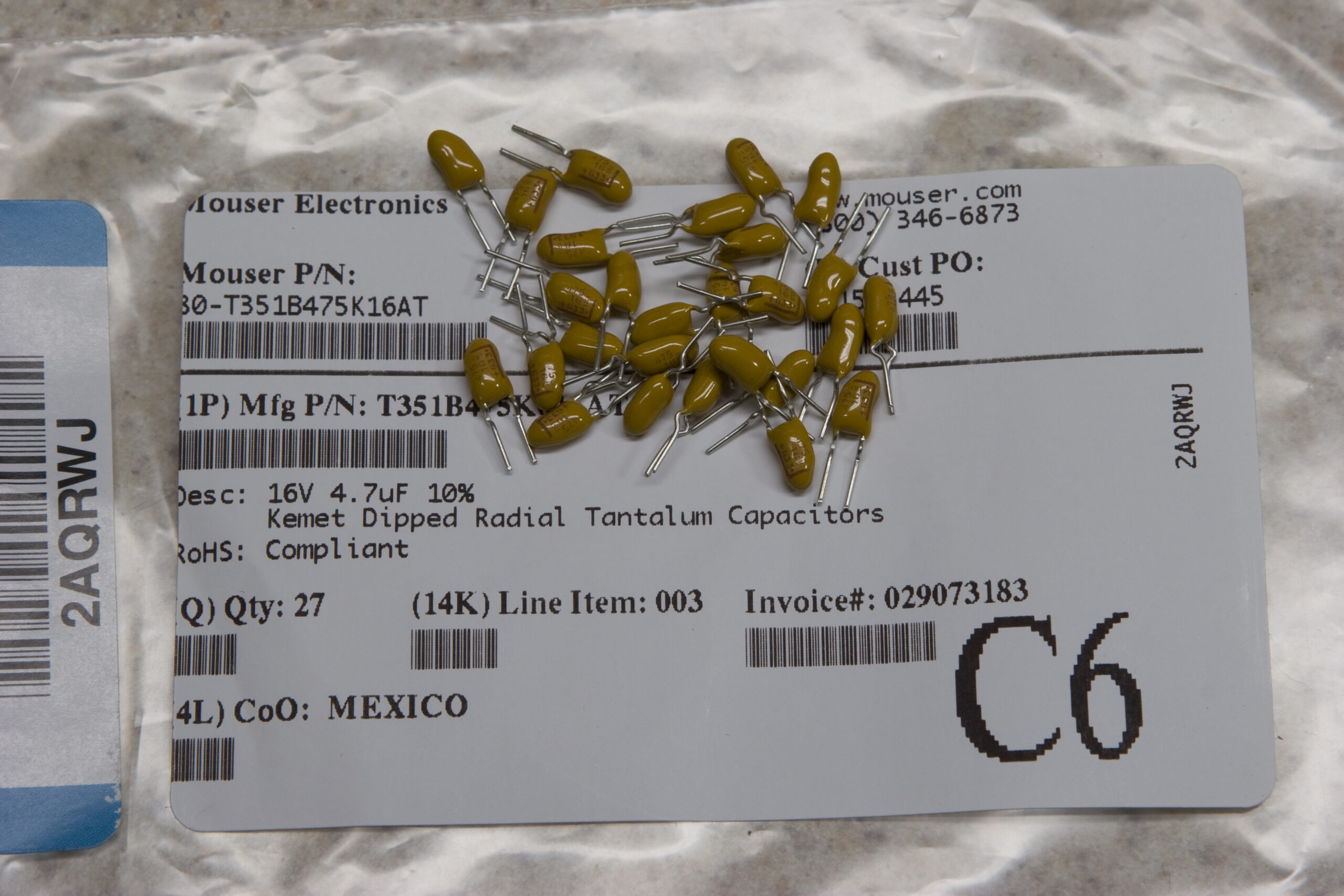
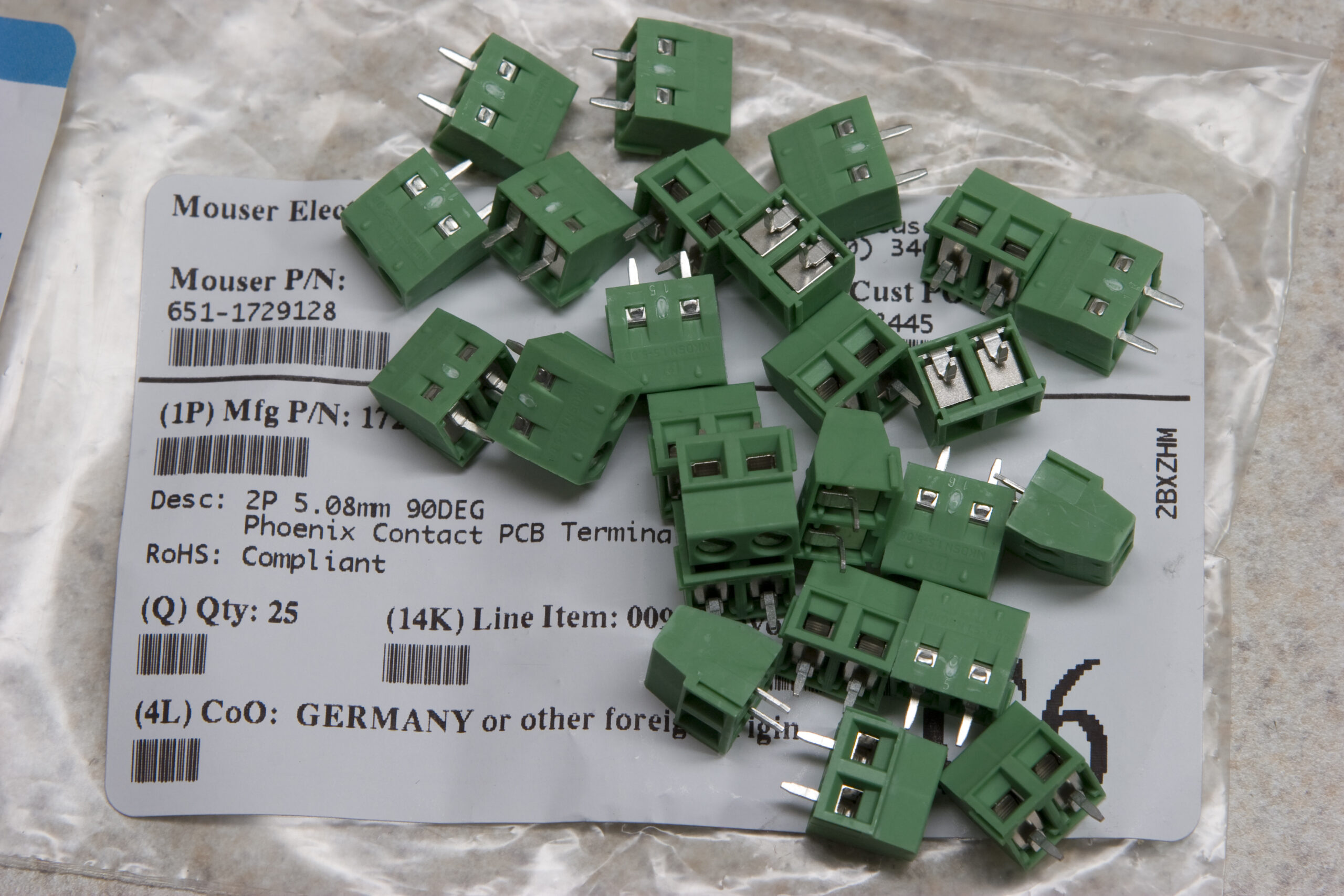
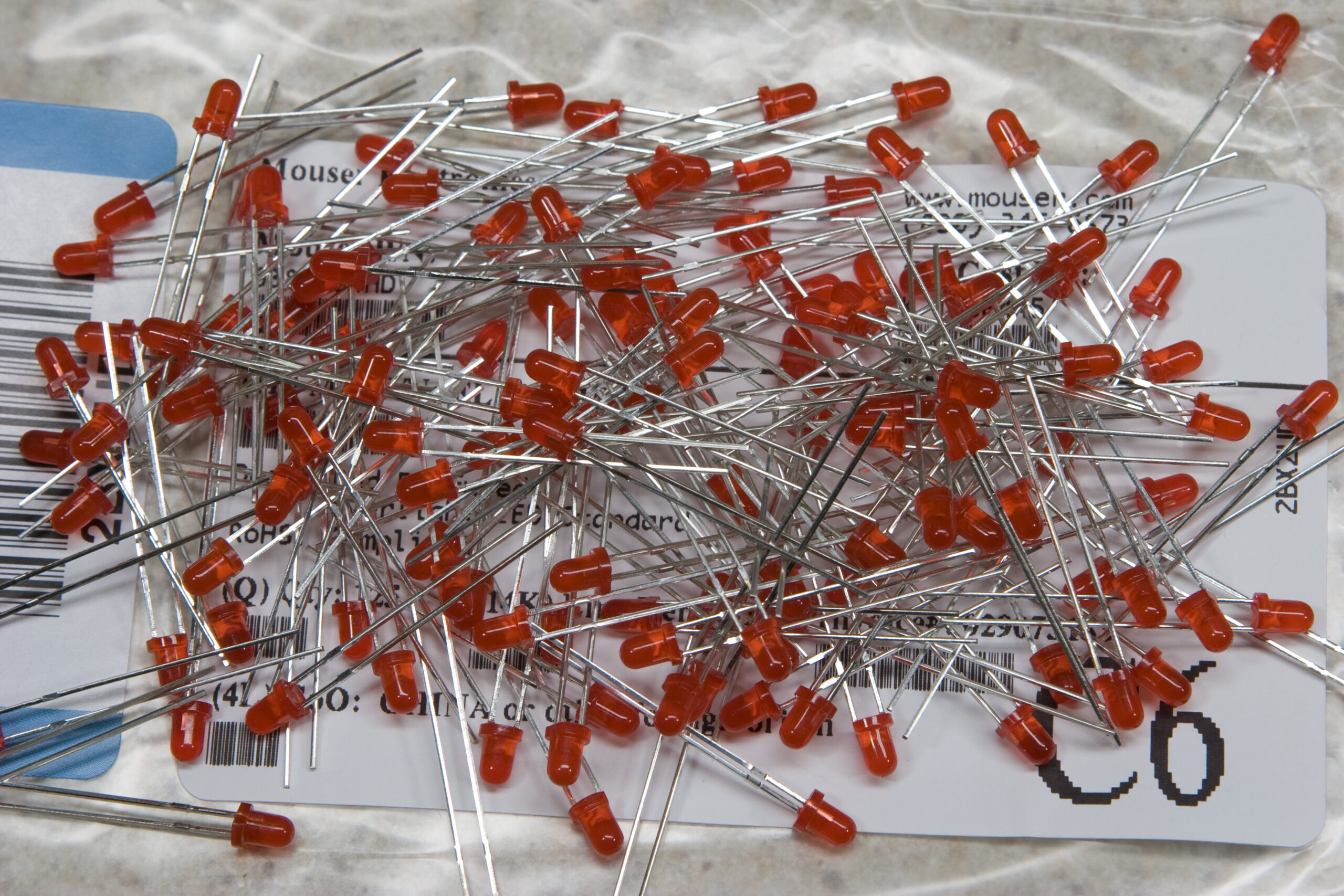
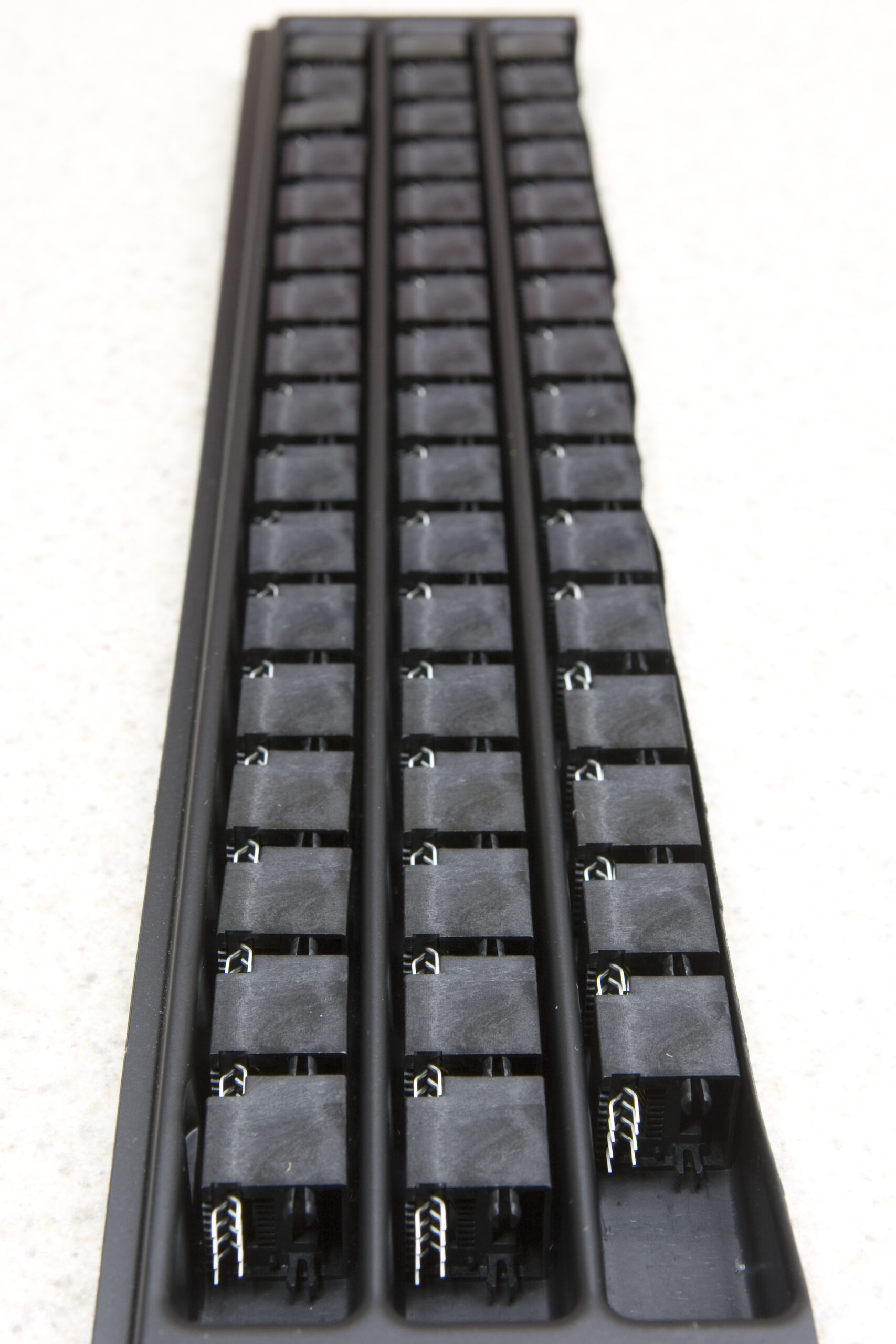
Today a received a gigantic box from Mouser containing all the parts for the RS232 to Eaton Leonard Level Shifter v2. This includes over 100 DIP ICs, 110 BC557 transistors, shunts (jumpers), tantalum capacitors, screw terminals, LEDs, 2×3 headers, RJ45 connectors, resistors, and the FETs for current reversal protection.

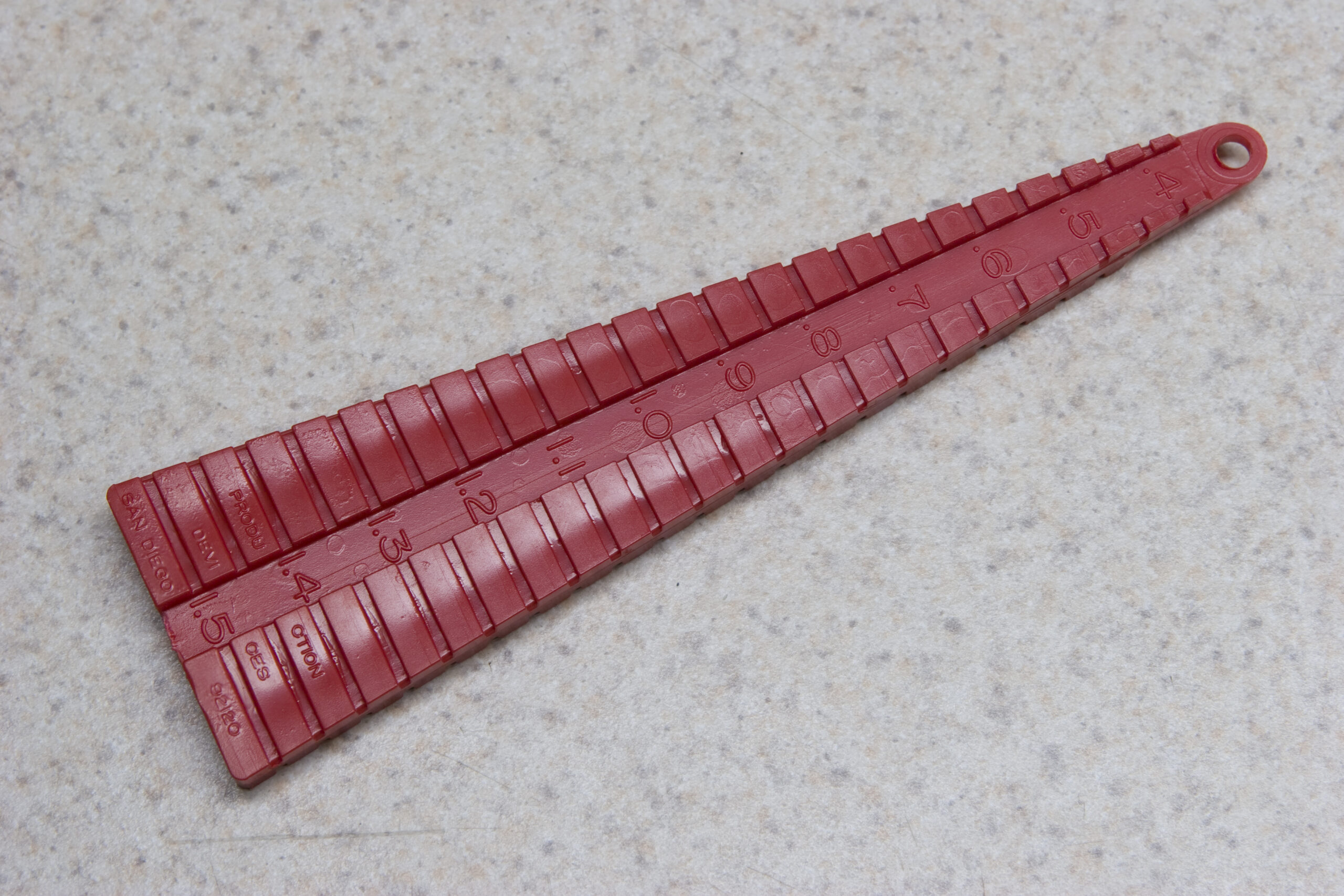
I also finally bought a lead bender, so that the bends in resistors will be a lot more accurate / consistent.

Assembling these 25 is going to be a chore, but will also be worthwhile. Yay!

Now, to go to Meijer and get extra foodstuffs for the weekend.

electronicsmaking thingsmoved from livejournal

Hacked SPI Decoder

SPI Decoder Hackery

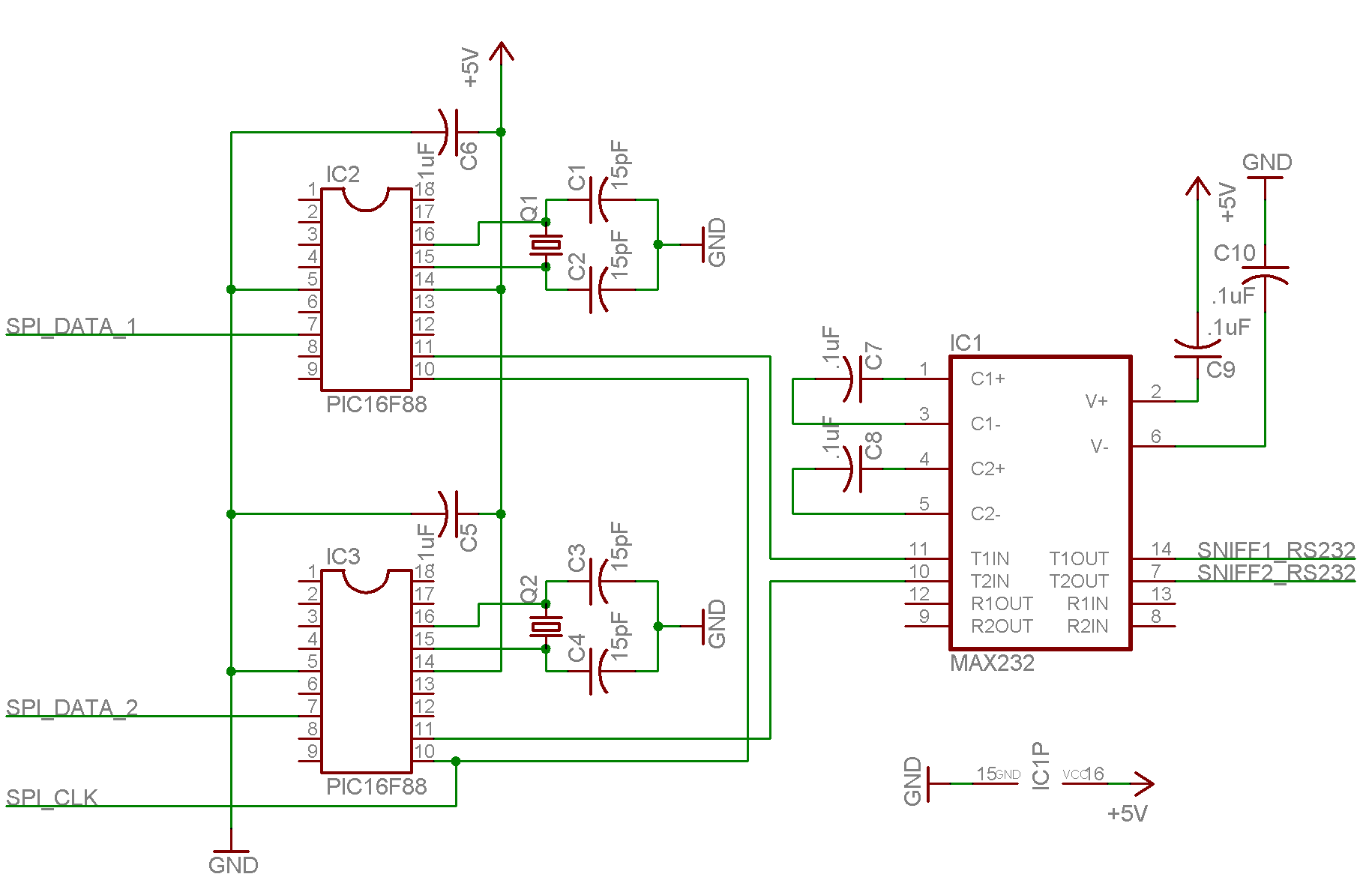
Here’s a design I just threw together for a hokey SPI decoder so I can watch what is going on internally in the Honda Music Link. It’ll read both SPI lines and turn it into RS232 data on the PC. Basically, the software on the PICs will just data out of the SPI buffer as it fills (and triggers an interrupt) then write that out the UART. Should work, I think. The only big problem will be the decoding software on the PC.

Anyone want to write up some decoding software for me? It should be easy to do… Just needs to watch a serial port (or maybe both) and decode packets as they come in. Hell, if you can write the framework for it, I can add the decodes as I figure them out.

(The point of this is to basically reverse engineer how Honda talks to CD changers.)

electronicsmaking thingsmoved from livejournal

RS232_EL v2.0 Parts Order

There is something odd to me about ordering $50 worth of optocouplers. I’ll be receiving many, many tubes of chips soon. It seems I’ll be making 25 of the v2.0 boards, with at least four (and most likely more, if not all) of them by the end of next week.

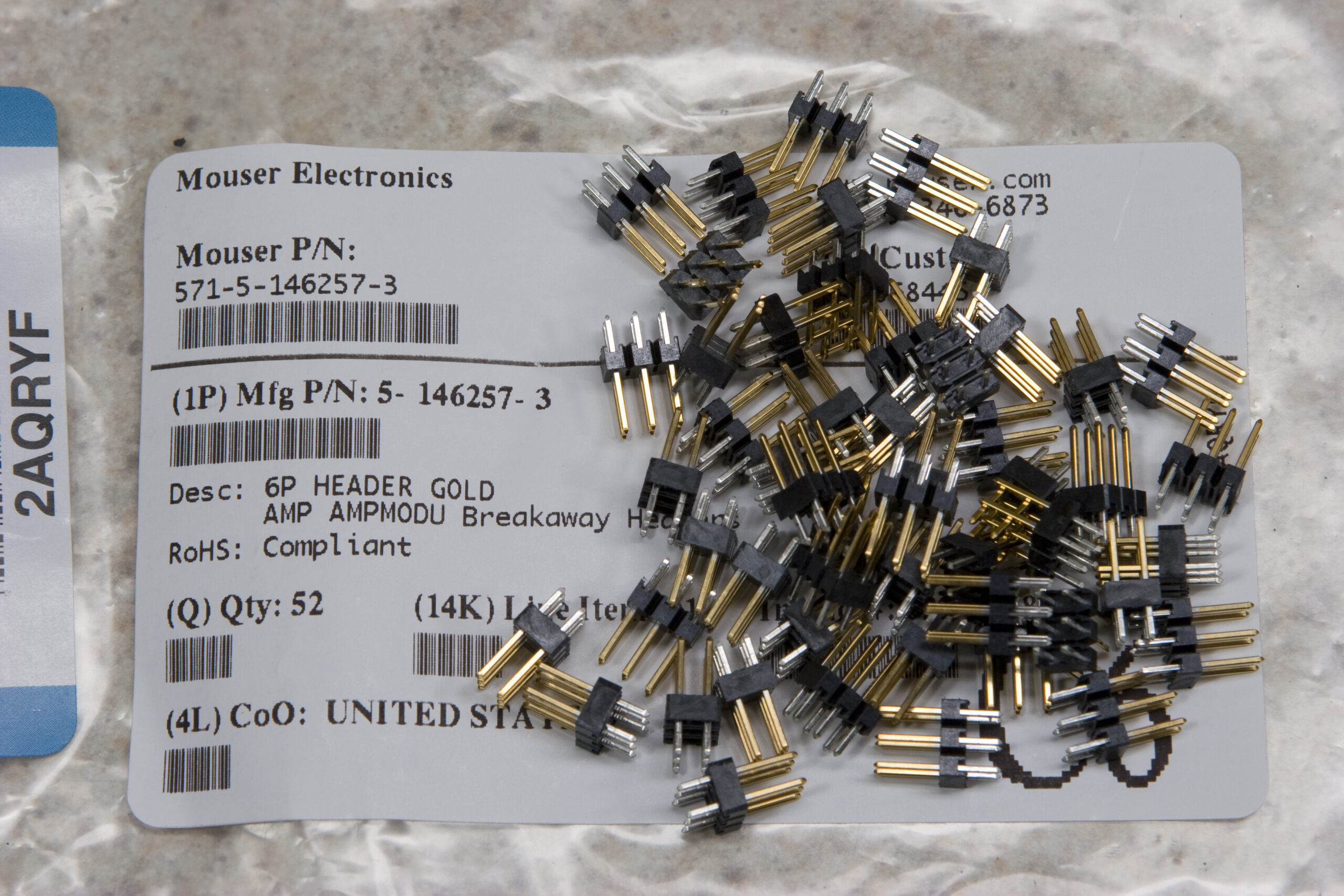
Also, who knew that jumpers and pin headers cost so much? Well, at least for RoHS-compliant decent quality ones. <shrug> It all works out in the end, though. Also, it’s a good thing I ordered that hundred pack of antistatic bags.

Now, to finalize the PCB and order it. (I might do that tomorrow, as I can order the boards as late as 9:30am and still get the order in before the salespeople arrive.)

Also, the Clarkston Union has raised their prices. A full order of portabello gratin is now $15.

electronicsmaking thingsmoved from livejournal

RS232_EL v2.0

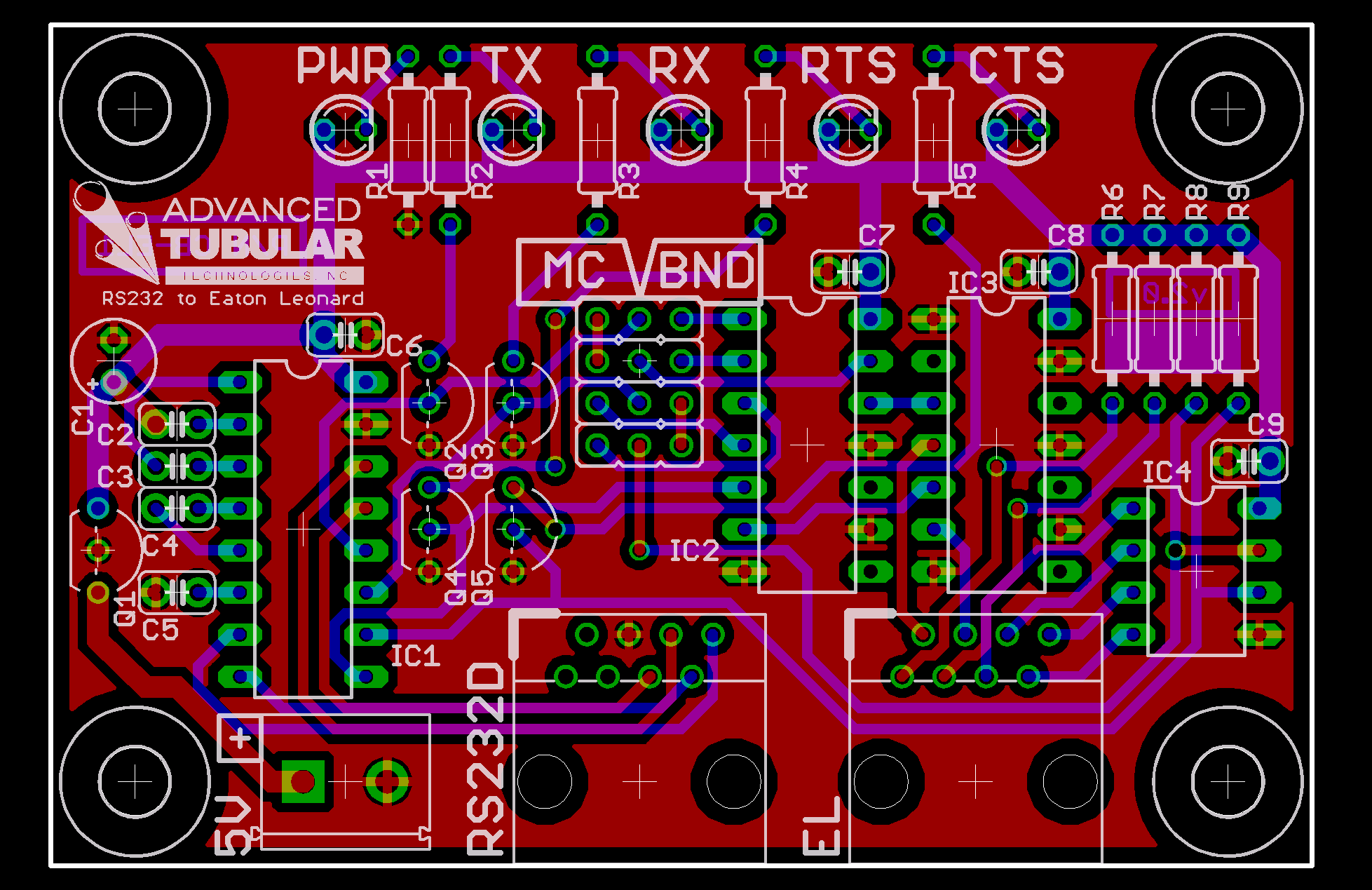
RS232 to Eaton Leonard Level Shifter v2.0 Draft
(Click image for 600dpi version…)

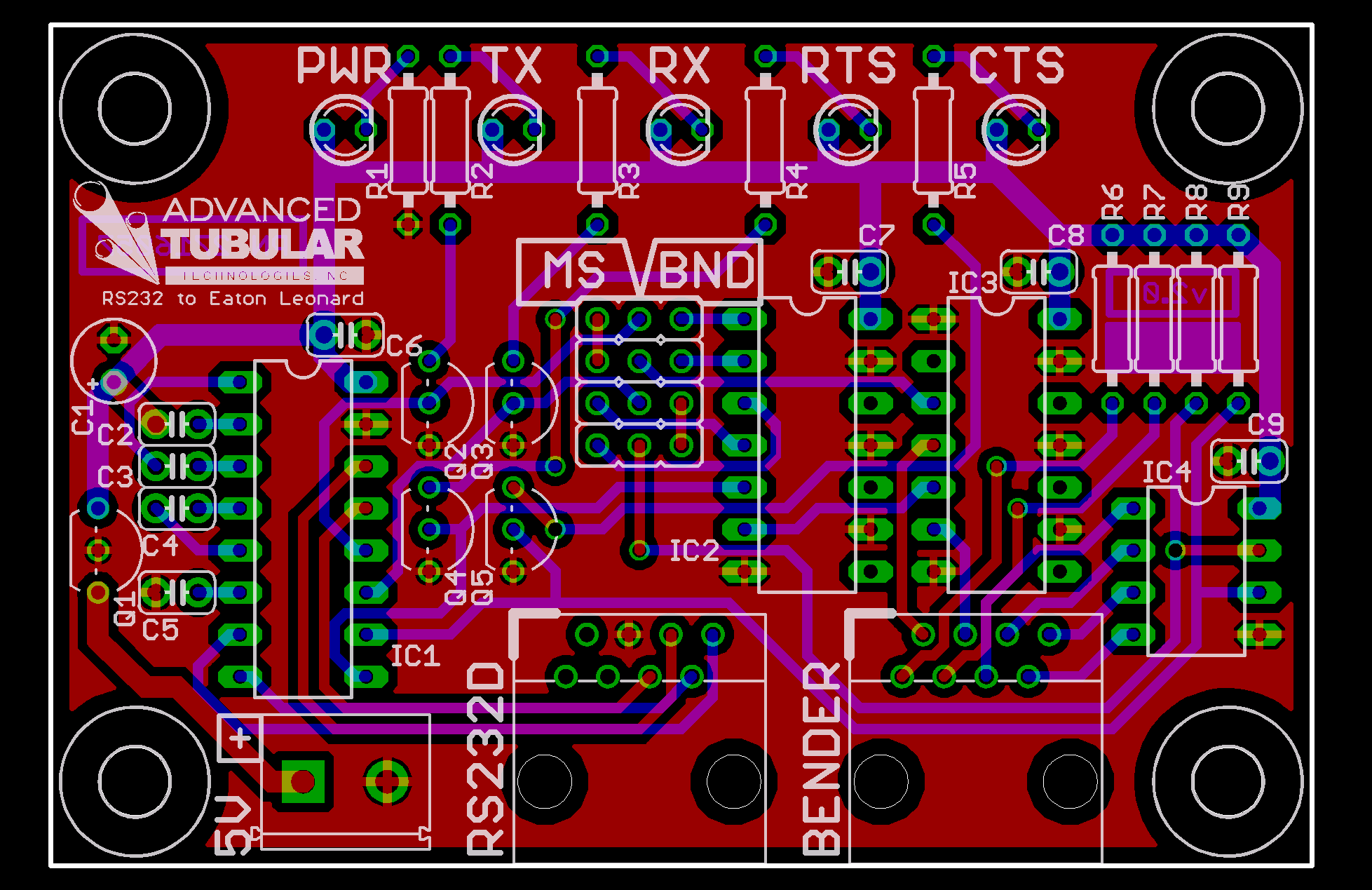
After finishing up the work I had to do today I began working on v2.0 of the RS232 to Eaton Leonard Level Shifter. After delivering the first batch the customer wanted some slight changes, most notably a configurable board which could either talk to itself or either end of the communications system the Eaton Leonard benders use. So, after poking with the breadboard on Friday and documenting my findings on Saturday I set to work drawing the board. It’s the same dimensions and the power and data connectors are in the same place, but everything else is different.

I had initially tried to use a resistor network to make soldering easier, but that was going to make connecting everything in such a small space very difficult, so I went back to discreet resistors.

I might change the LEDs and the resistors connected to them. (This will be determined tomorrow.) There also might be a product name change, part number change, and some of the labeling is still up in the air. Other than that, I’m pretty happy with it. Hopefully I’ll order the first run of boards by the end of the week.

I still have to finish working on the photos from the Selfridge airshow this weekend and upload them. That’ll be another night, I think.

electronicsmaking thingsmoved from livejournal

Jumpers?

Do any of you know where I can find 8-contact jumpers / shunts (RoHS compliant, please) for sale?

I have a block of pins with 4 jumpers on it, and they all need to be either to one side or another, and I would rather not have four separate jumpers which need to be moved.

To clarify, here’s some crappy ASCII art explaining it:

The pins:
***
***
***
***

Will have jumpers / shunts in place like this:
XX*
XX*
XX*
XX*

Or this:
*XX
*XX
*XX
*XX

I can’t find them for sale, though. They must be a somewhat special order item, I guess…

Then again, I can’t remember the last time I saw jumpers like that on a commercial PCB, either.

electronicsmaking thingsmoved from livejournal

SPI Sniffer Idea

Can someone validate that the idea I have for a cheesey, hokey SPI sniffer will work?

I have a device which contains a PIC and a NEC chip, which talk via SPI. Single master, single slave. I want to see all the data going in both directions and see it in relation to each other so I can figure out the protocol the PIC is talking.

My thought is that I will make a sniffer for one direction (say, from the PIC to the NEC chip) as follows, then duplicate this to sniff the other direction (say, NEC chip to PIC):

Take a PIC and connect it’s SPI input and clock lines to the line-to-be-sniffed and clock going between the PIC and NEC chip. Have some simple software on the PIC which reads data from the SPI line into a FIFO as it comes in, then writes it out the UART as it can.

Then I’ll take the data coming out the UART, run it through a MAX232 to make it RS232 levels, and feed it into a serial port.

I figure two of these tied to two serial ports and a cheesey little VB app to do the decoding (as I learn the protocol) could make for a nice, simple sniffer.

I could even take it further by shoving the TTL level serial into one of the readily available TTL serial to USB chips, but that’s probably overkill for what I want to do.

I think this should work… Can any of you see a reason why it wouldn’t? It’d be cheaper / more specific than a SPI-decoding logic analyzer, as I should be able to have lengthy samples, and matching the timing of the SPI line will easily be handled by the PIC.

(I think first mentioned doing it this way… I think…)
electronicsmoved from livejournal

First RS232_EL v1.0 Run Done

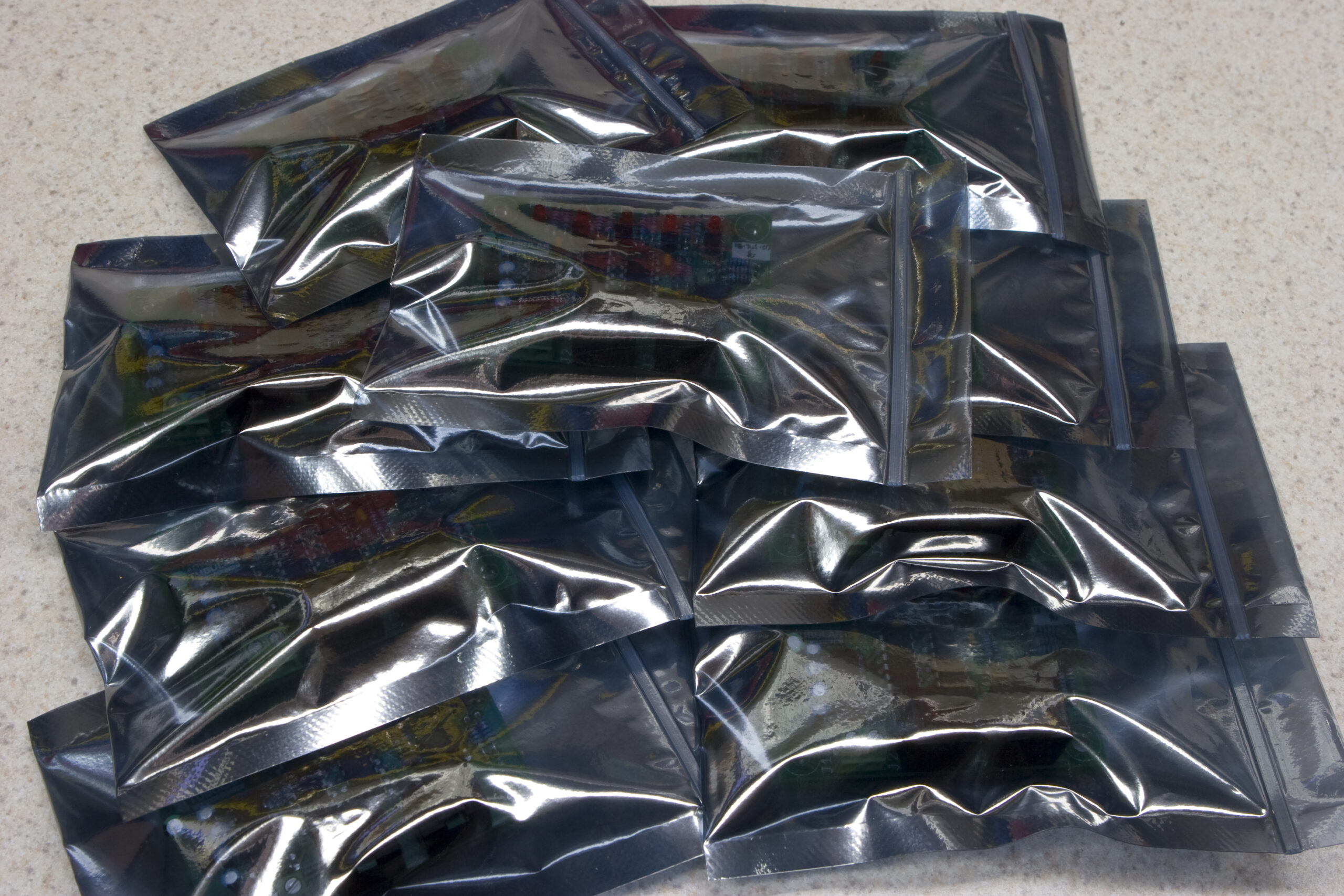
Nine RS232_EL v1.0 Parts, Ready for Packaging
(Click for more photos (photo gallery retired)…)

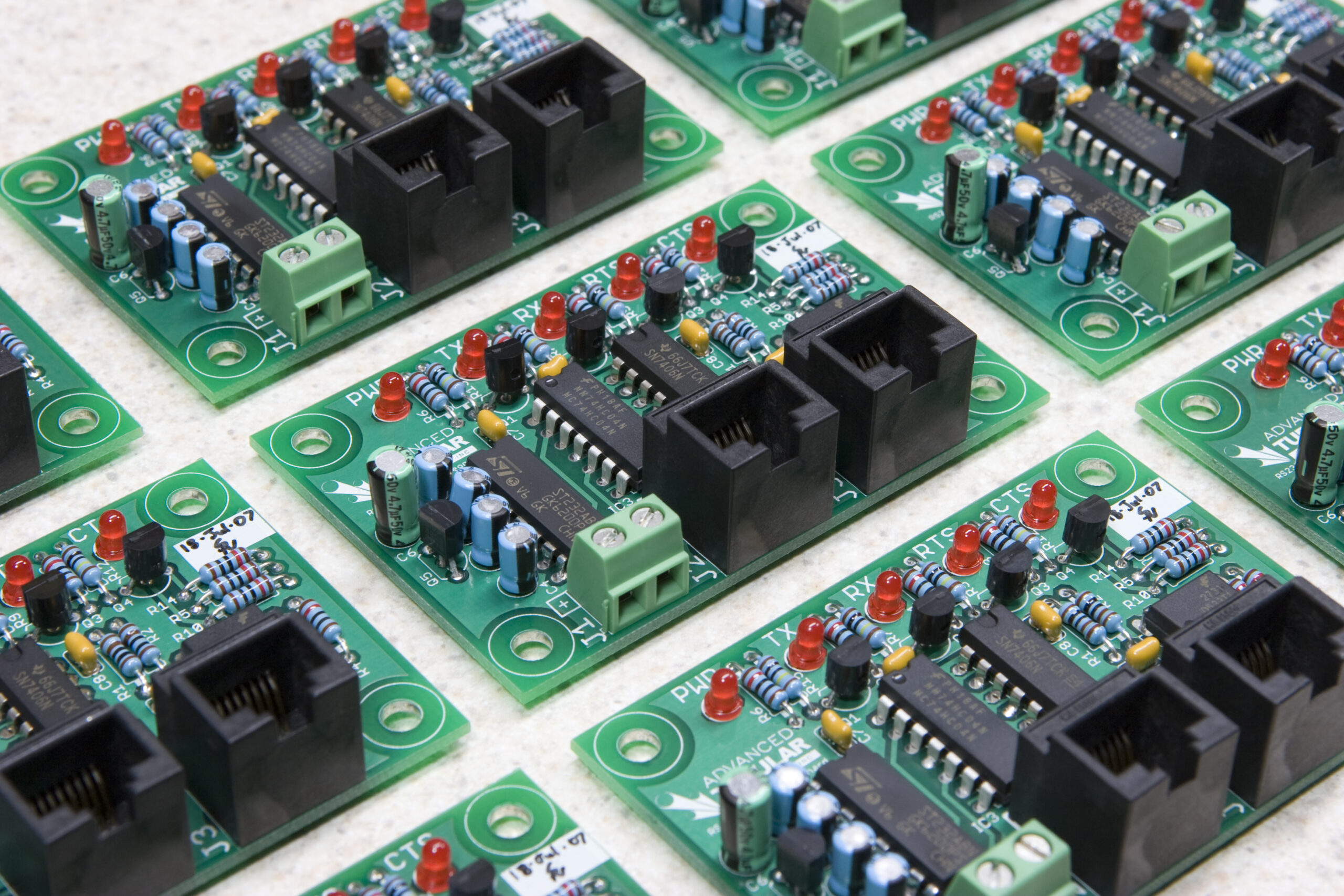
There. I’ve got the rest of the first run of RS232 to Eaton Leonard Level Shifters (RS232_EL v1.0) boards completely assembled, washed, dried, tested, and packaged. They are now sitting in a box, individually bagged, ready for me to drop them off at lunch tomorrow.

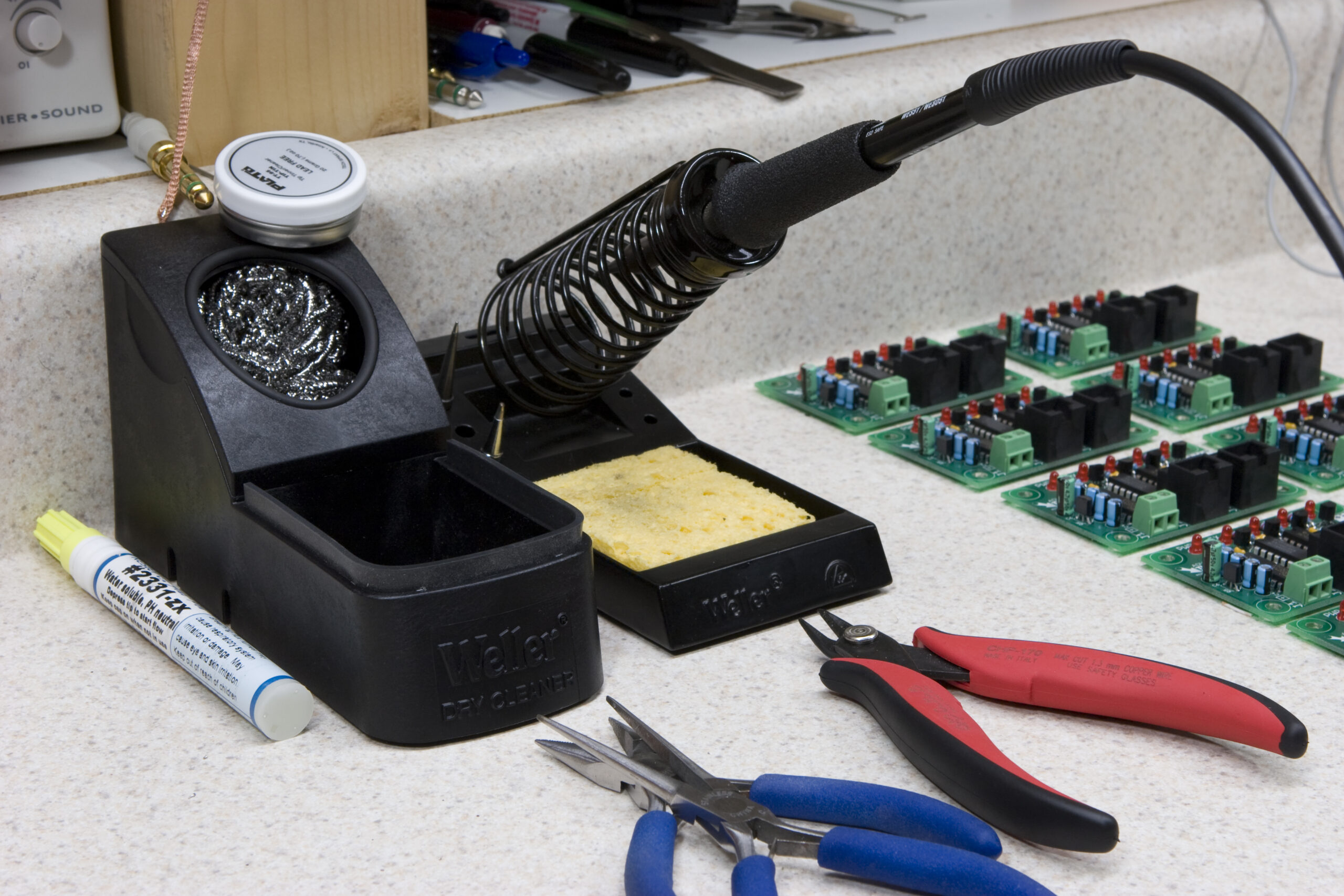
Thanks to ‘s suggestions for lead-free stuffs (tip tinner, metal shaving-like dry tip cleaner, more flux) I was able to work past the problems I was having before with lead-free solder. It’s now just as easy to do as with the lead stuff. I might actually switch to making more, if not all, of my personal projects with lead free solder, just so I don’t have to handle the stuff.

Now it’s time to relax. I’m in the mood for some beer, but I both don’t have any, have been too busy to get (or even consume) any, and it’s too late to go out and get any. (Well, not really too late, but running out at 9:17pm just to get beer and hurry home and have one is not something I prefer to do.)

Maybe I’ll go read or something. Starting tomorrow or Friday it’ll be back to having lots of work to do, outside of normal work. Oh, and laundry. And dishes. Yay!

electronicsmaking thingsmoved from livejournal

Honda Music Link

Well, I just sniped an auction for another Honda Music Link, for US$49 shipped. As soon as I get a logic analyzer (I might order one this week, I don’t know yet) I can properly begin writing new firmware for the Honda Music Link.

I’m thinking of moving the HMLiberator project name from a hardware project to the new firmware. Or maybe I’ll decide on a name if (when?) the new firmware is done.

My plan is to make the firmware nice and open source (BSD license, most likely), then charge people to reprogram their devices. Anyone who can do ICSP programming of a PIC can do it themselves, or I will for a small fee. I figure $20 plus shipping is fair.

acquired thingselectronicsmoved from livejournal