Clogged Bathroom Drain Pipe
I was going to post a photo with this, but being unable to pick the best one (and being worried about squicking a few people) I figured I’d just link to them all:
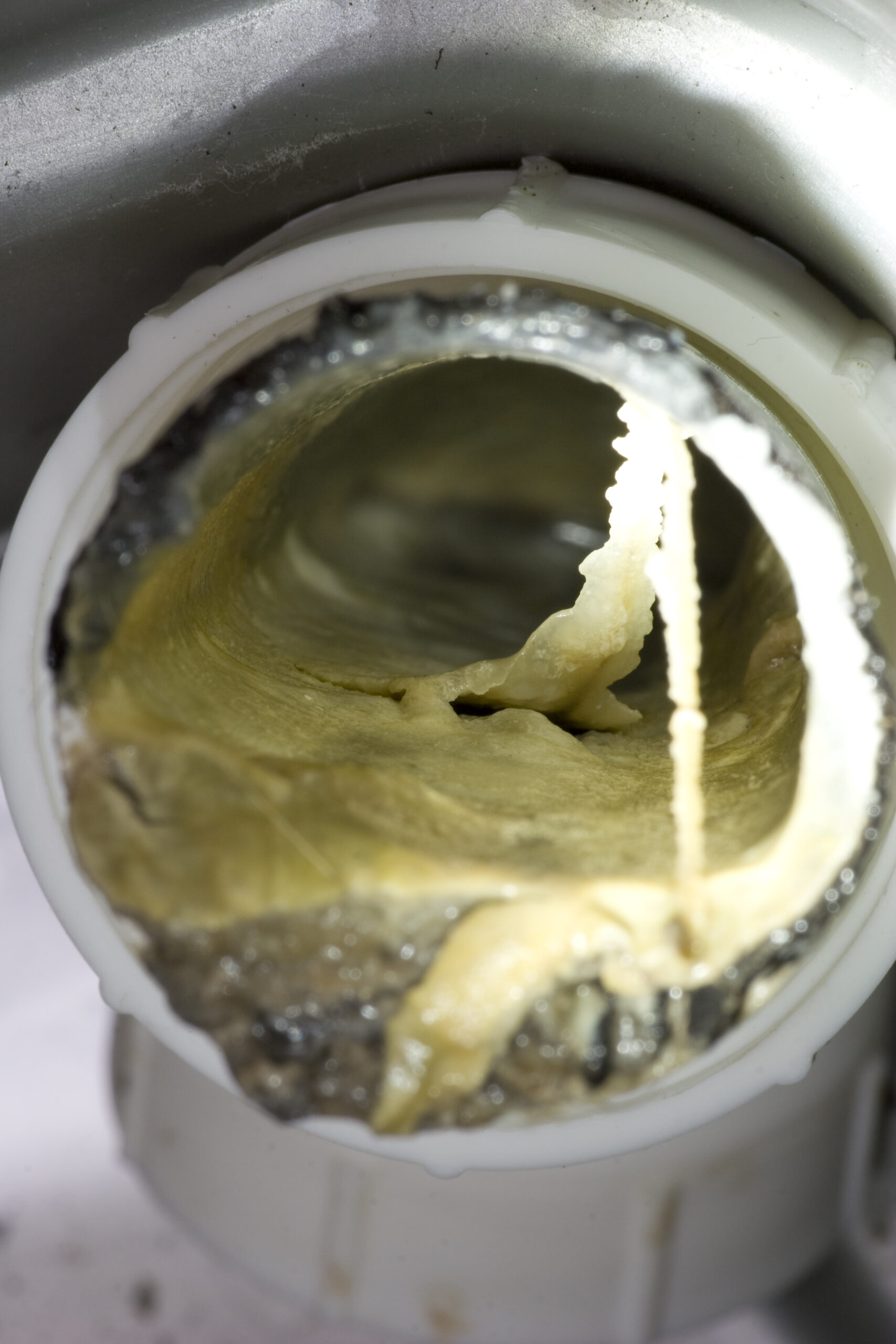
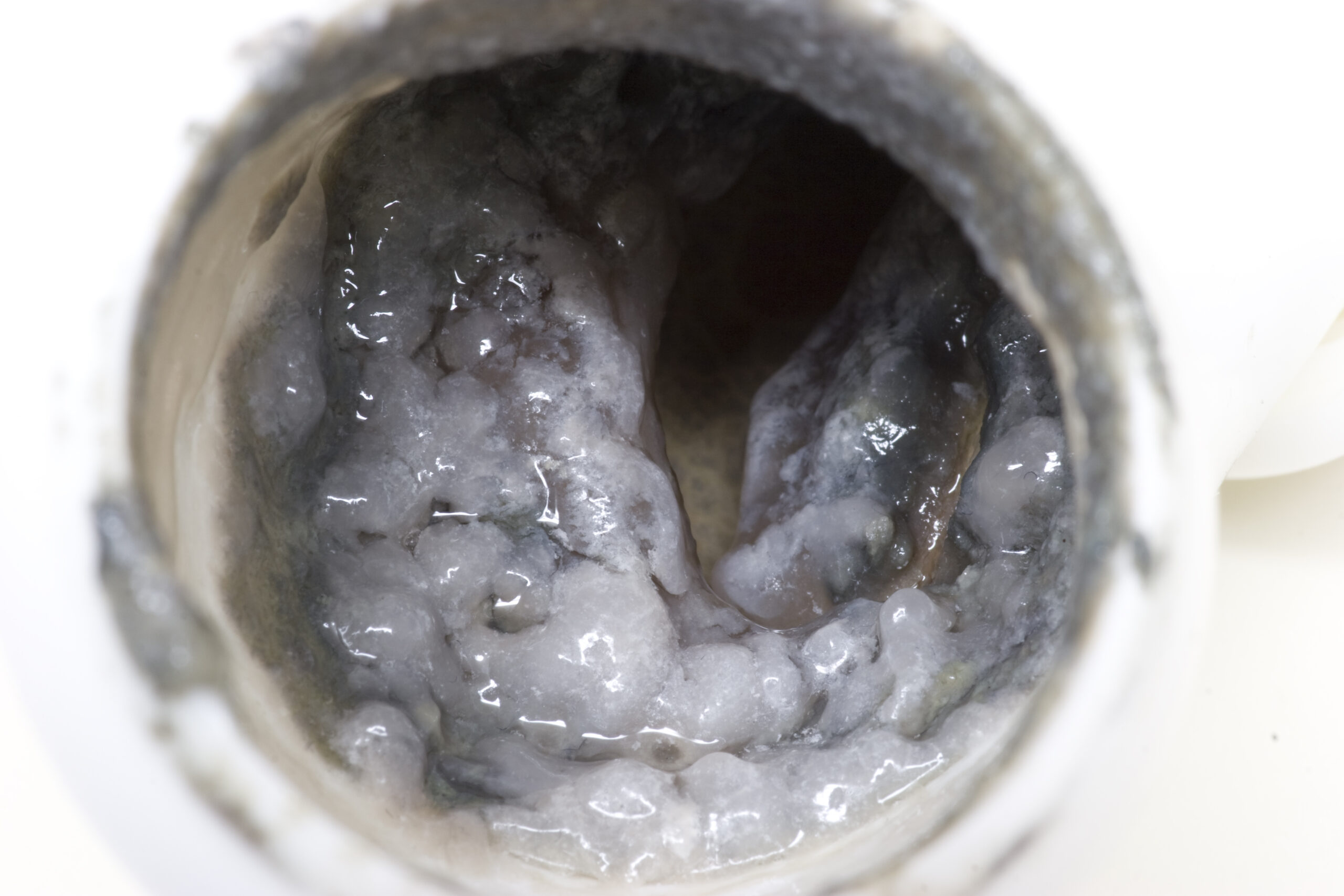
Before and after spelunking for tonsillolith (and not finding any) I washed my hands and was reminded of how slowly the drain in my bathroom is draining. Finding it a bit clogged didn’t surprise me (it was slow and all), but the way in which it was clogged did.
For some reason, the pipe was at least 1/3 full of mold for its entire length, with the end near the the trap looking like grey, slimy female genitalia. Even more interesting to me is how the mold has strata, with what appears to be an original layer of thin black mildew, then a rich grey/white layer, and then a smooth, tough top beige layer.
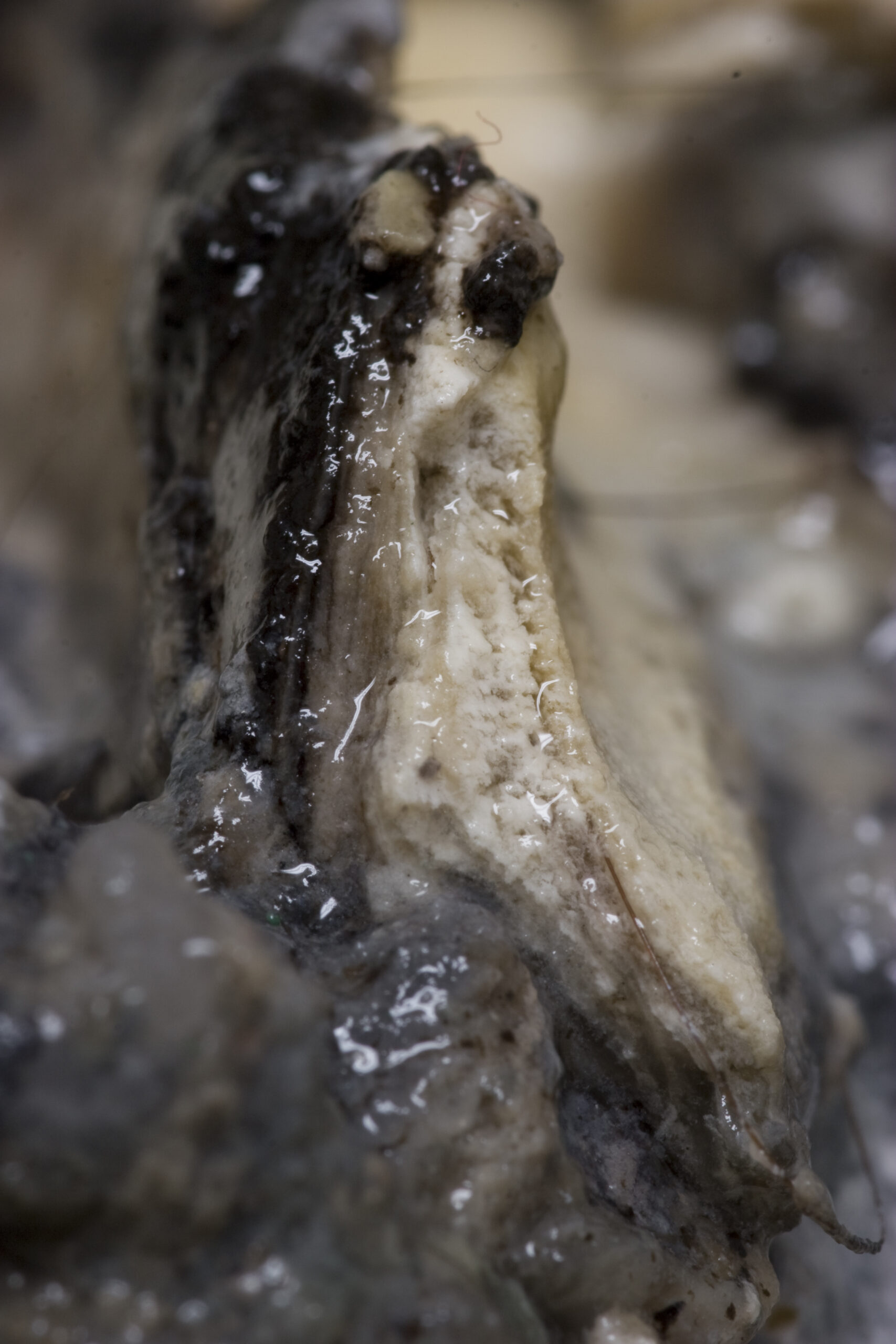
Once removed from the pipe, the resulting pile of mold felt like soft unagi, and reminds me of canned fish.
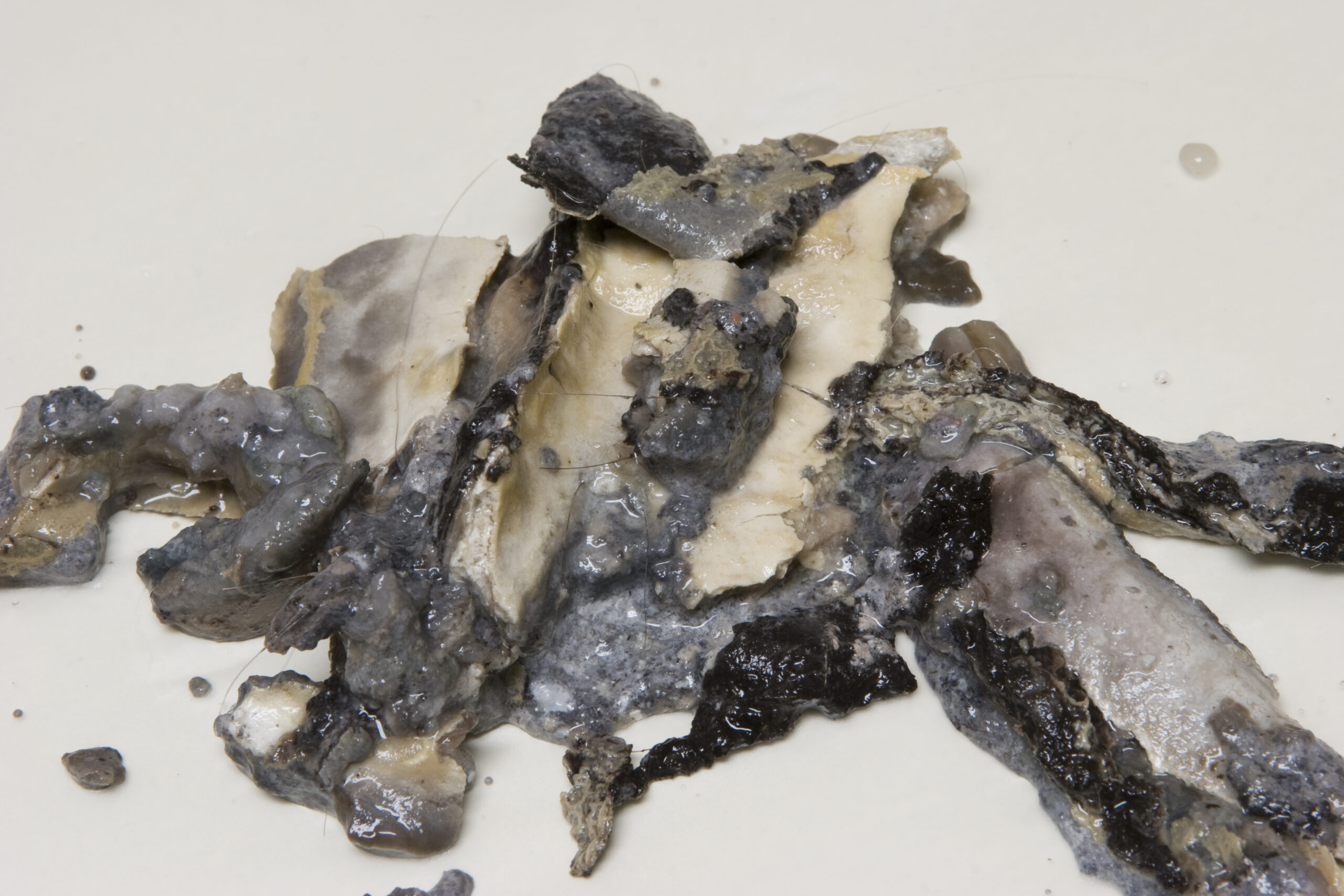
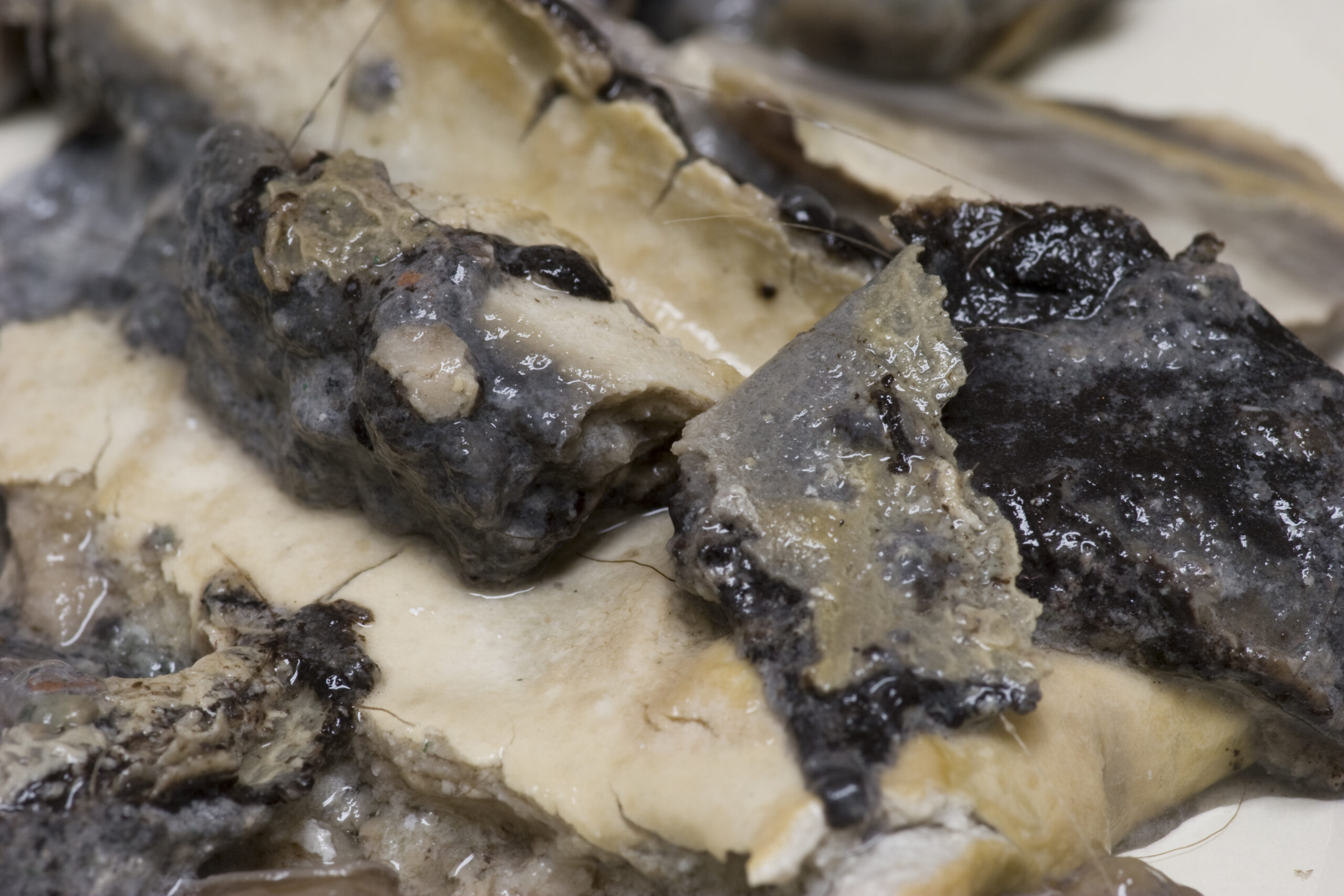
I guess that’s what a bit over seven years of hand washings, teeth brushings, sink cleanings, and whatever else do to a pipe. I didn’t see any buildup in the pipe in the wall, although I imagine this is because the part before the wall was a slight uphill section before the wall, so there was likely standing water in the trap and this section of pipe for a while, allowing it to deposit all sorts of stuff over time.
Also, it did not have a smell. I intentionally, and repeatedly, smelled the mold. I couldn’t detect anything.
Anyway, to see the rest of the photos, they are here: Mold Clogging Bathroom Drain Pipe (photo gallery retired)
Yukky.
That’s reallllllly weird!!
I just installed a new sink and vanity in our bathroom and ran in to some sort of funky stuff in the process. Mainly I was surprised at the huge amount of rusty mucky buildup within the pipes supplying hot and cold water (more on the hot side). I *almost* went through the drywall and started messing with the drain pipes in the wall to finish my project, but did not. I imagine they may look a lot like this!
We have all these original copper pipes from the 50’s when this place was built and I can only imagine what monsters lurk..
A side note, chatting with people when we bought our house we learned that it’s UNBELIEVABLE what you will find in the walls of a house if you go knocking them down to expand or something. I don’t even want to think about bugs or whatever, but apparently there will almost inevitably be huge colonies of mold and such….
Ack. Hopefully there isn’t mold. :( Mold in the walls themselves is usually the sign of a problem…
That said, it really is scary the sort of work you’ll come across which was done by “handy” homeowners who don’t take the time (or have the knowhow) to do things correctly.
So you actually have copper drain lines? Most of my supply lines (except the last few inches) are copper, even though the place is from 1991.
Your documentation never ceases to amaze me. I wonder what is on the way *in*? Remind me not to punk out bothering using the water filter in my 110 year old building again plz.
Thanks. I couldn’t not grab a couple pictures of that.
Generally the way in is okay, since that’s a mostly sealed system, and full of chlorinated water with little access to air. However, I’d be worried that your building has lead in it and whatnot. Or, there’s probably at least lead solder used at joints…
I think you can actually send your water off to be tested for pretty cheap. I’d guess $20 or $30 or so?
Why not just use some drain-o?
*shudder* I am never going to be able to think of unagi the same way again…
Or in that sense… vaginas either… *gag*
Because Draino would just be using harsh chemicals to try and eat some of it away, washing all that down the drain. Also, I wouldn’t be sure it was all gone, nor exactly what the problem was.
Taking the drain line apart (which is really easy) let me see exactly what was going on. Now I know it’s clean and I’m certain of what was wrong.
True, that makes sense.
I guess you have a stronger stomach than me. ^_~