nuxx.net
Making, baking, and (un-)breaking things in Southeast Michigan.

Category electronics

x0x 231 — Complete

[This is cross-posted from here because I am too tired / whatever to write a new post for here right now.]

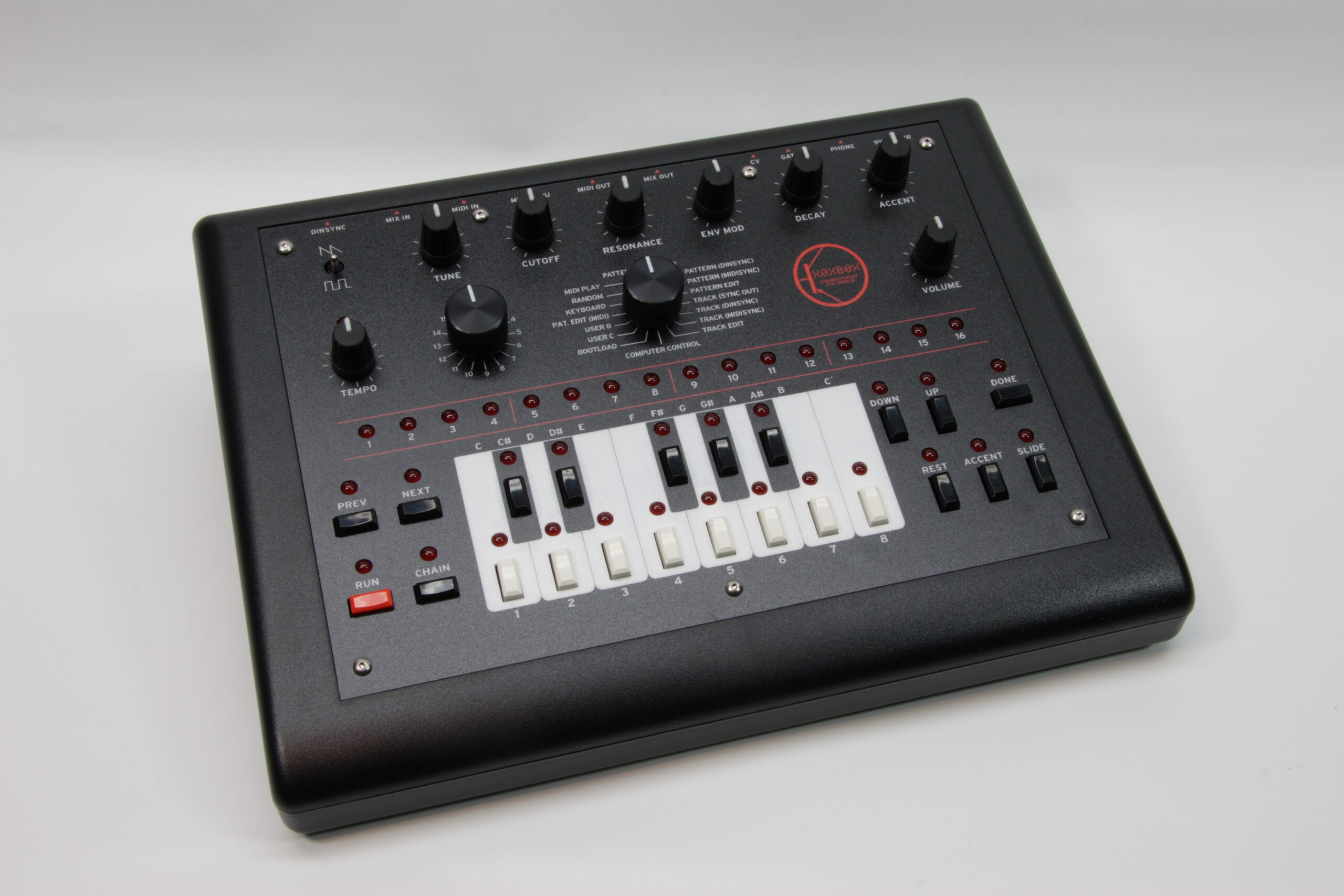
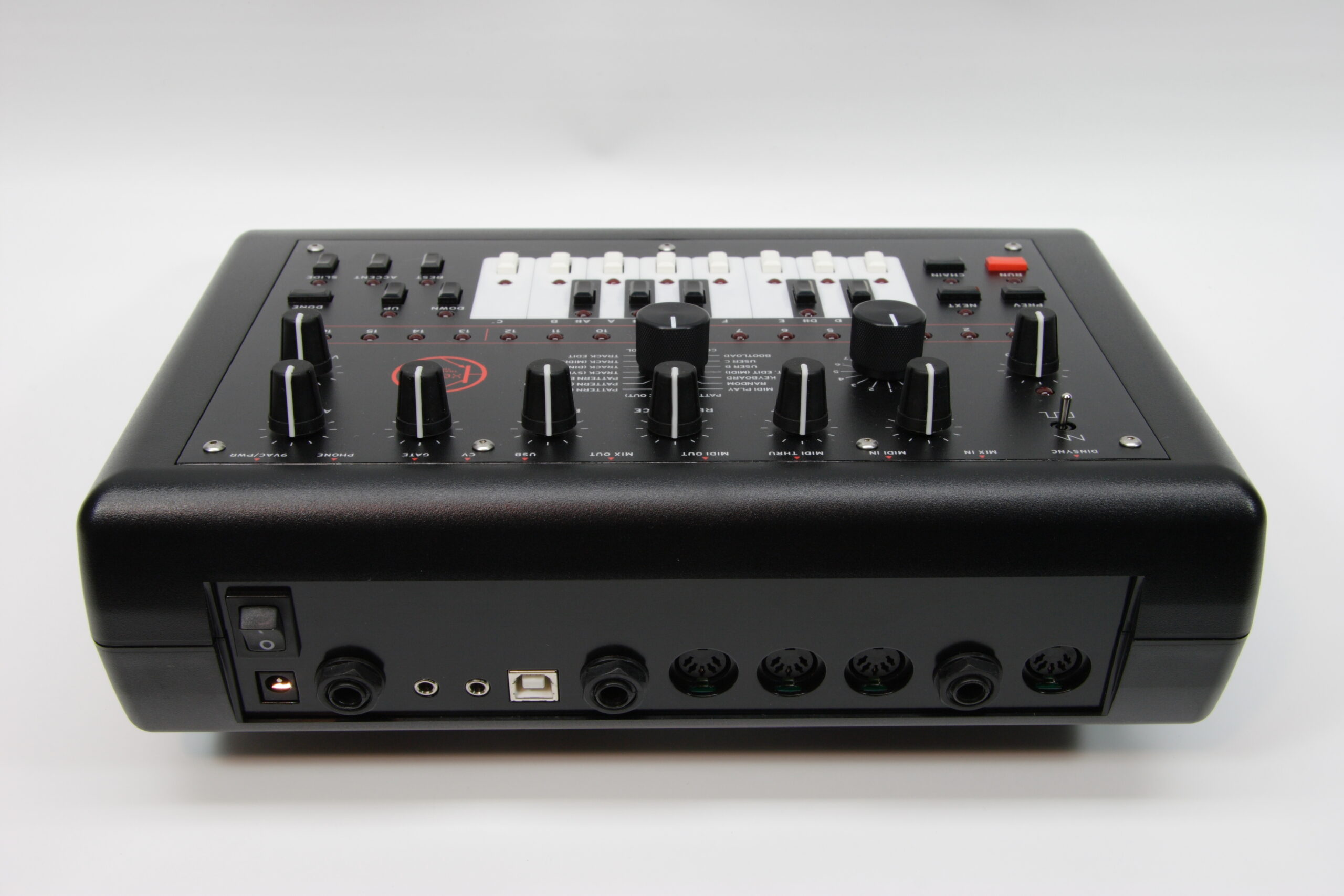
x0x 231, my x0xb0x, is complete. After a fair bit of work and a lot of waiting (mostly for the new artwork to be printed) it’s done.

If you would like to see photos of various phases of my x0xb0x building — including stuff relating to the new artwork — please head on over to my x0xb0x photo gallery (photo gallery retired) and have a look around.

As you can see, I made some new artwork for my x0xb0x. I ordered a few extra pieces, and most of them have been reserved by others, but if you’d like one, email or private message me. I have three pieces left, and as I am making no profit on them, I will not be placing a second order.

The cost for one of the panel overlays is US$41 and includes US Postal Service Priority Mail within the US, and one of the red keycaps you see above.

As far as the rest of my x0xb0x goes, if you’d like to make your x0xb0x like mine, you also need to do the following things:

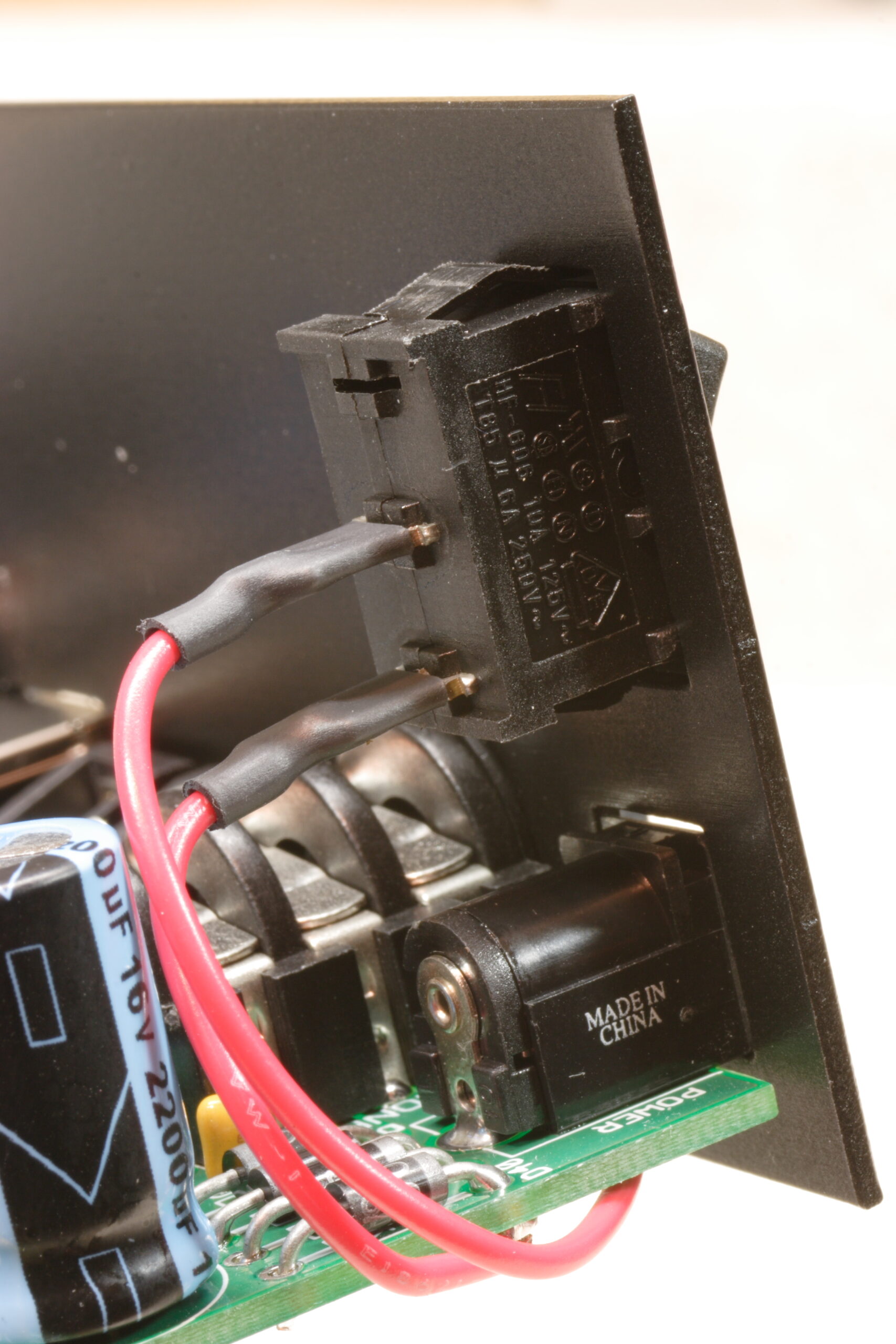
– Add a power switch.
– Replace R1 with a 200 ohm resistor to make the PS a bit more noisy.
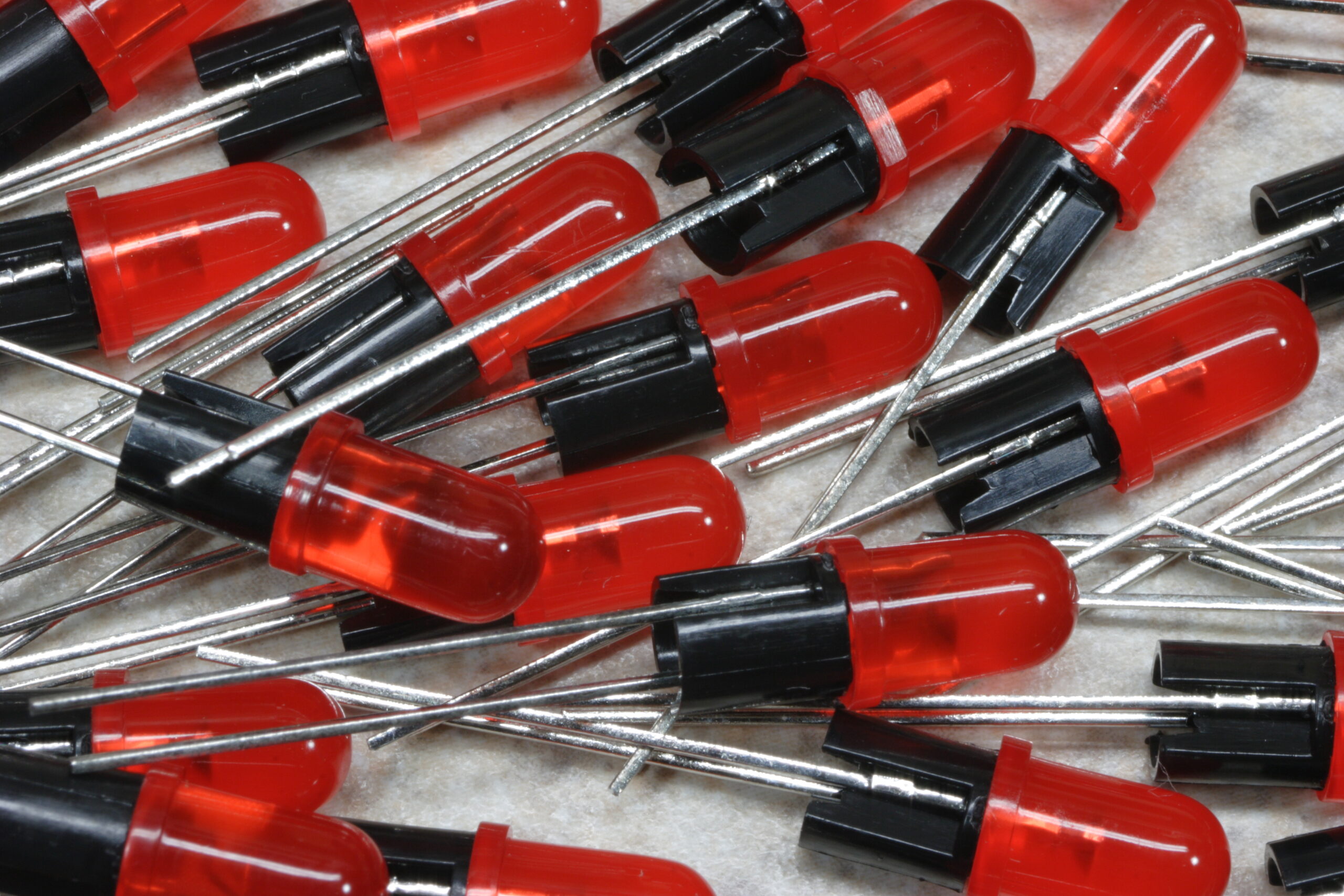
– Replace all LEDs with red diffuse ones. (Digi-Key Part 67-1105-ND)
– Replace all the resistors tied to the LEDs with 820 ohm ones (Mouser Part 291-820-RC)
– Paint the rear panel black.
– Design a new overlay for the front panel and use a red keycap for the RUN key. (As if this one wasn’t obvious…)
– Replace all ‘important’ transistors with ones with ‘high beta’ ones as follows: Q10: 338, Q9: 338, Q8: 349, Q36 & Q38: 335, Q27: 337, Q33: 331, Q1 & Q2 & Q31: 327
– Replace the rotary switch knobs with knurled matte black aluminum ones. (Digi-Key Part 226-4090-ND)

And… That’s all I can remember for now.

I must say, though, I’m glad it’s done.

-Steve

electronicsmaking thingsmoved from livejournal

SQ-909 (or whatever)

Not having a TR-808 or TR-909 or whatever, I’m having a hard time coming up with the concept for a control panel for my step sequencer. The first step is figuring out exactly what buttons and LEDs are wanted / needed. Thus far I’ve got a run button/LED, 16 buttons/LEDs for the various steps, a 16-position BANK knob, a 16-position MODE knob, a 16-position INSTRUMENT knob, and a detented rotary encoder for TEMPO.

Maybe a three-digit seven-segment LED display so tempo can be shown numerically?

electronicsmaking thingsmoved from livejournal

Kentucky Breakfast


Founders Brewing Company’s Kentucky Breakfast Bourbon Aged Stout

Yes, tonight I opened my single bottle of Founders Brewing Company’s Kentucky Breakfast Bourbon Aged Stout. It’s just one of those nights…

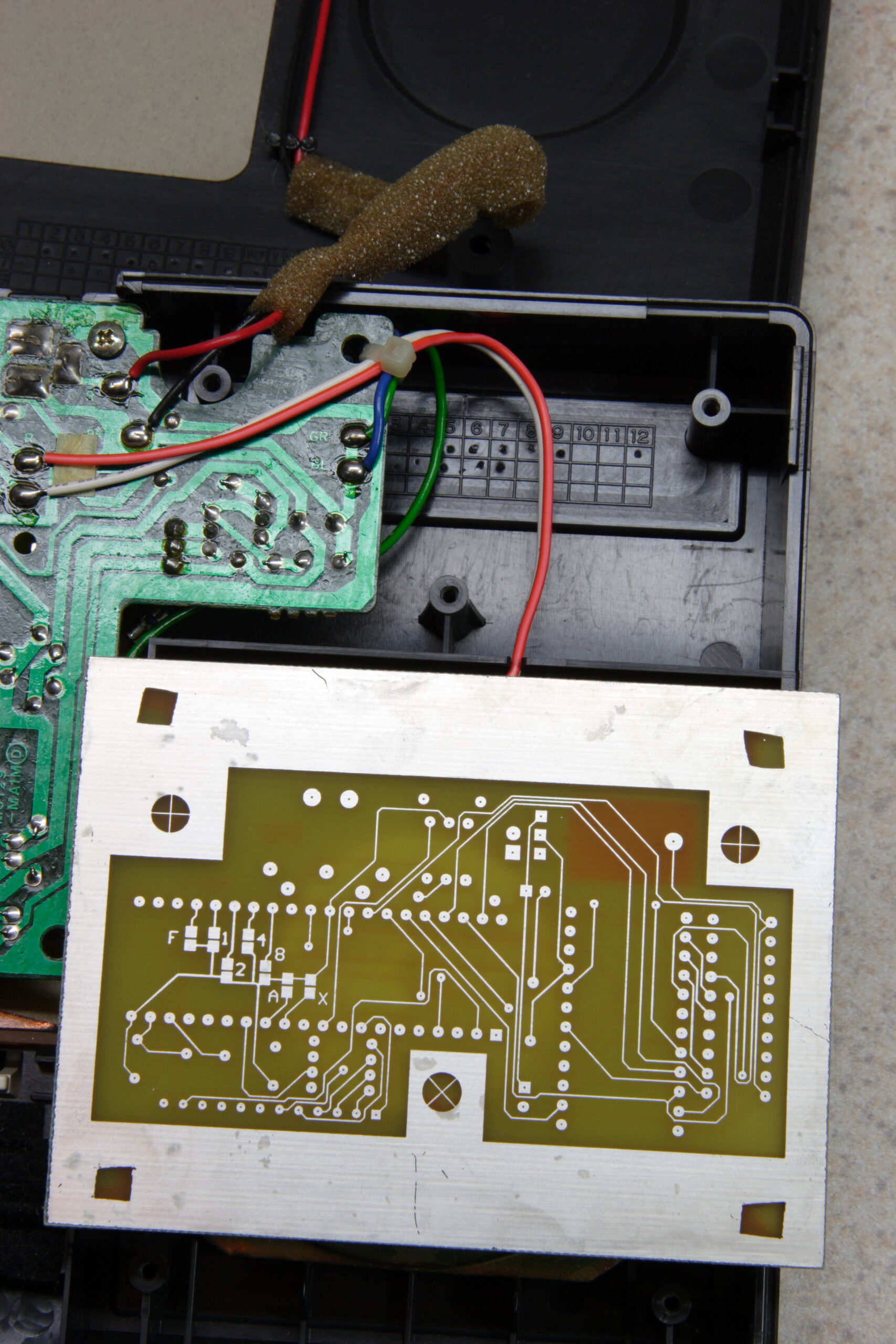
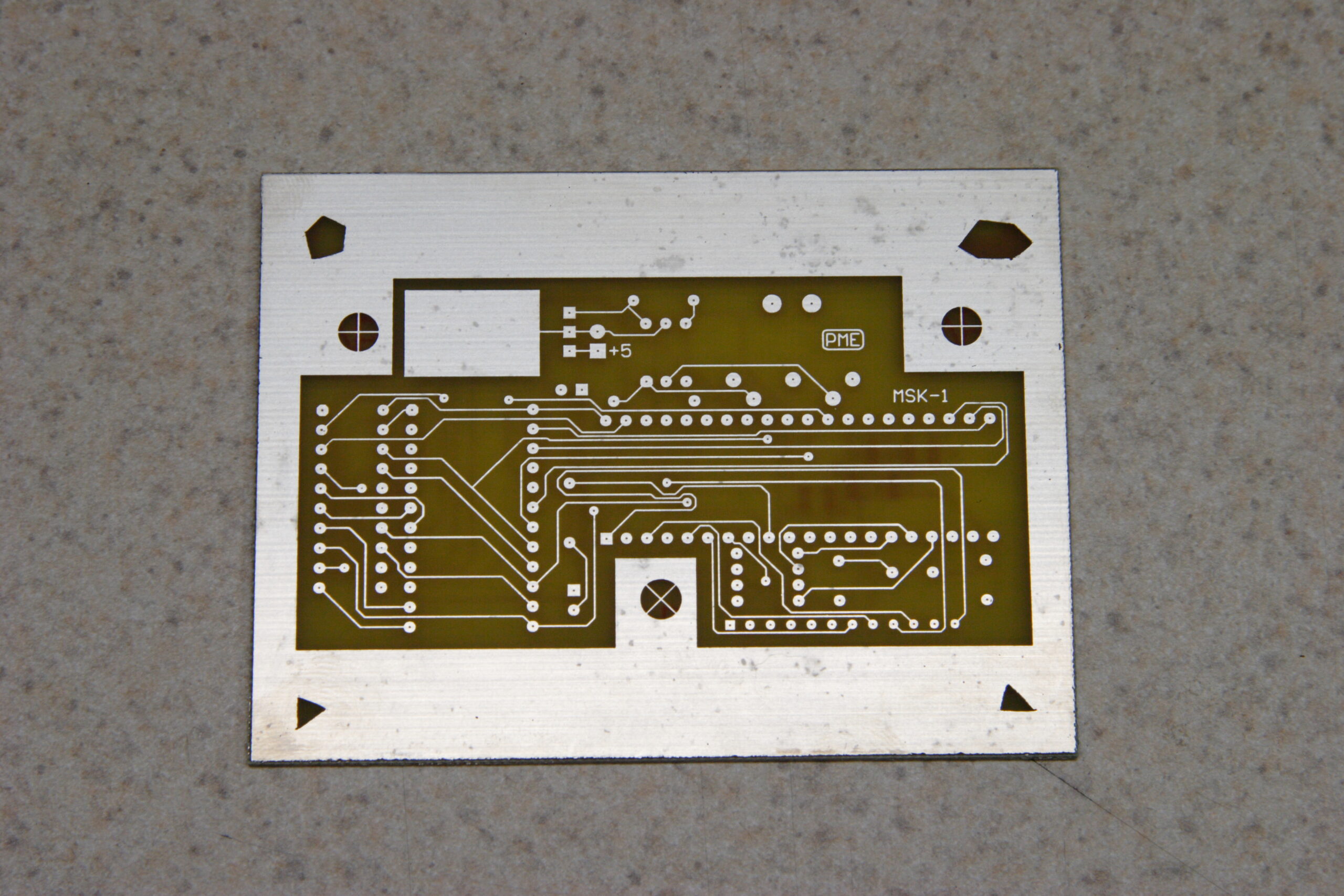
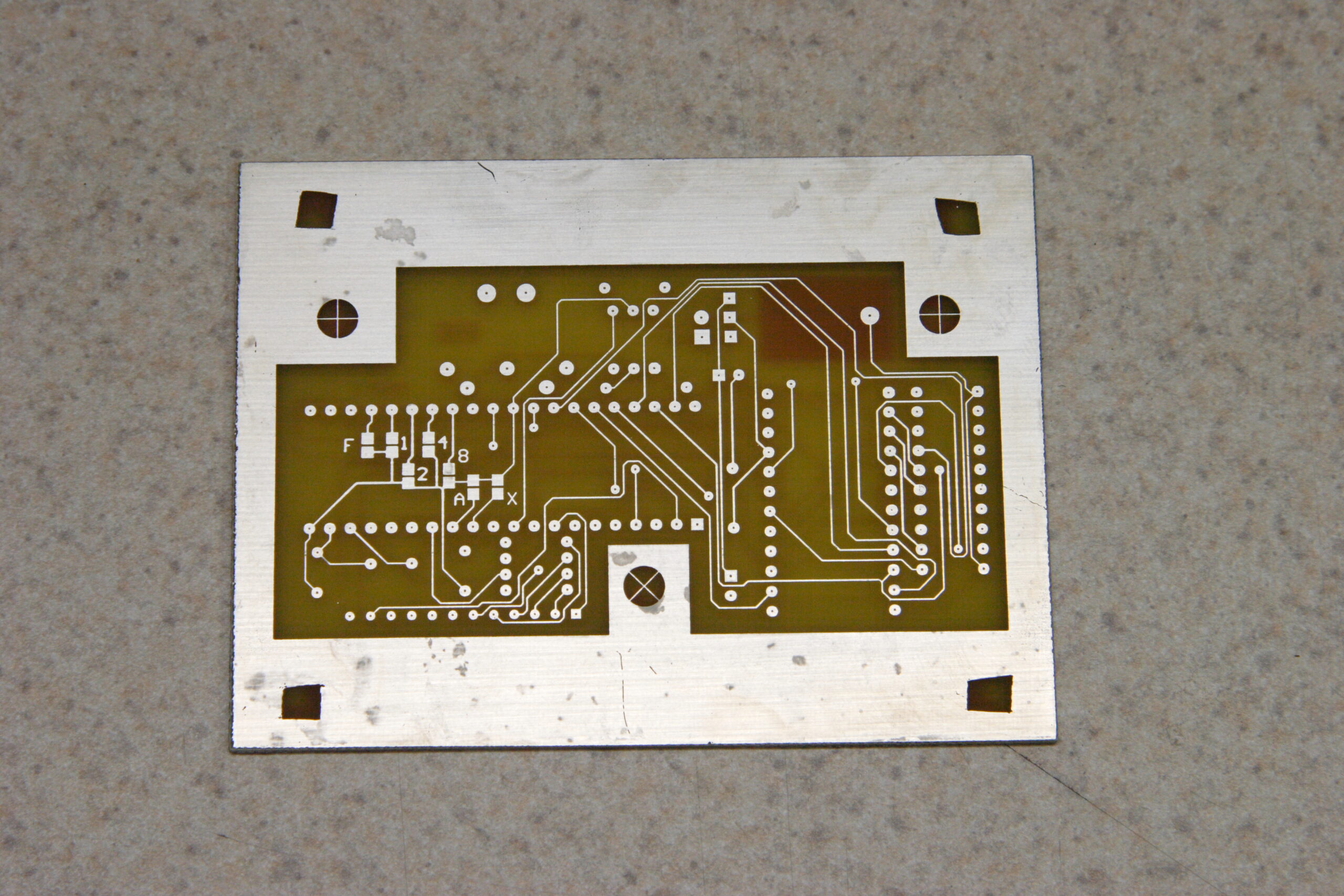
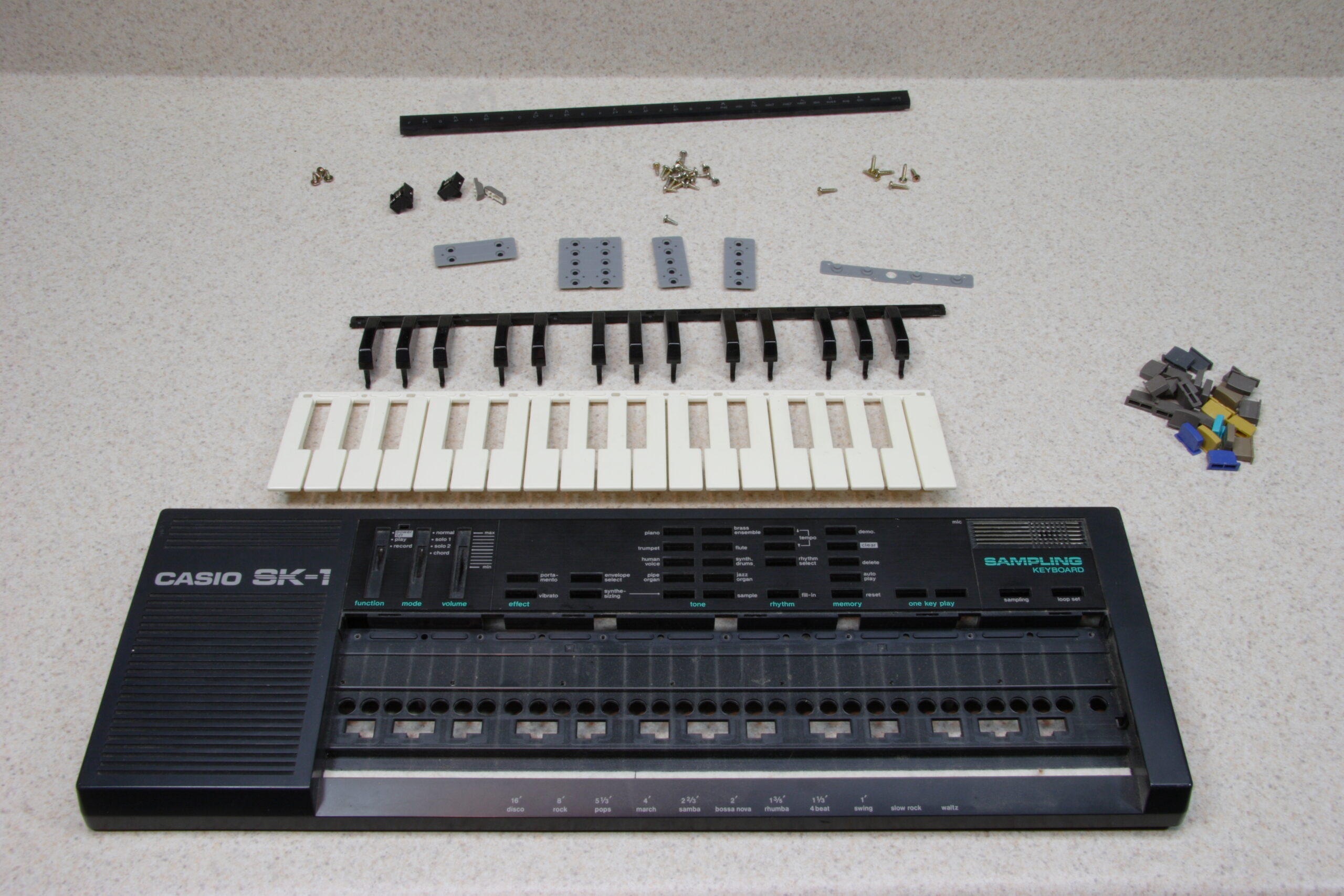
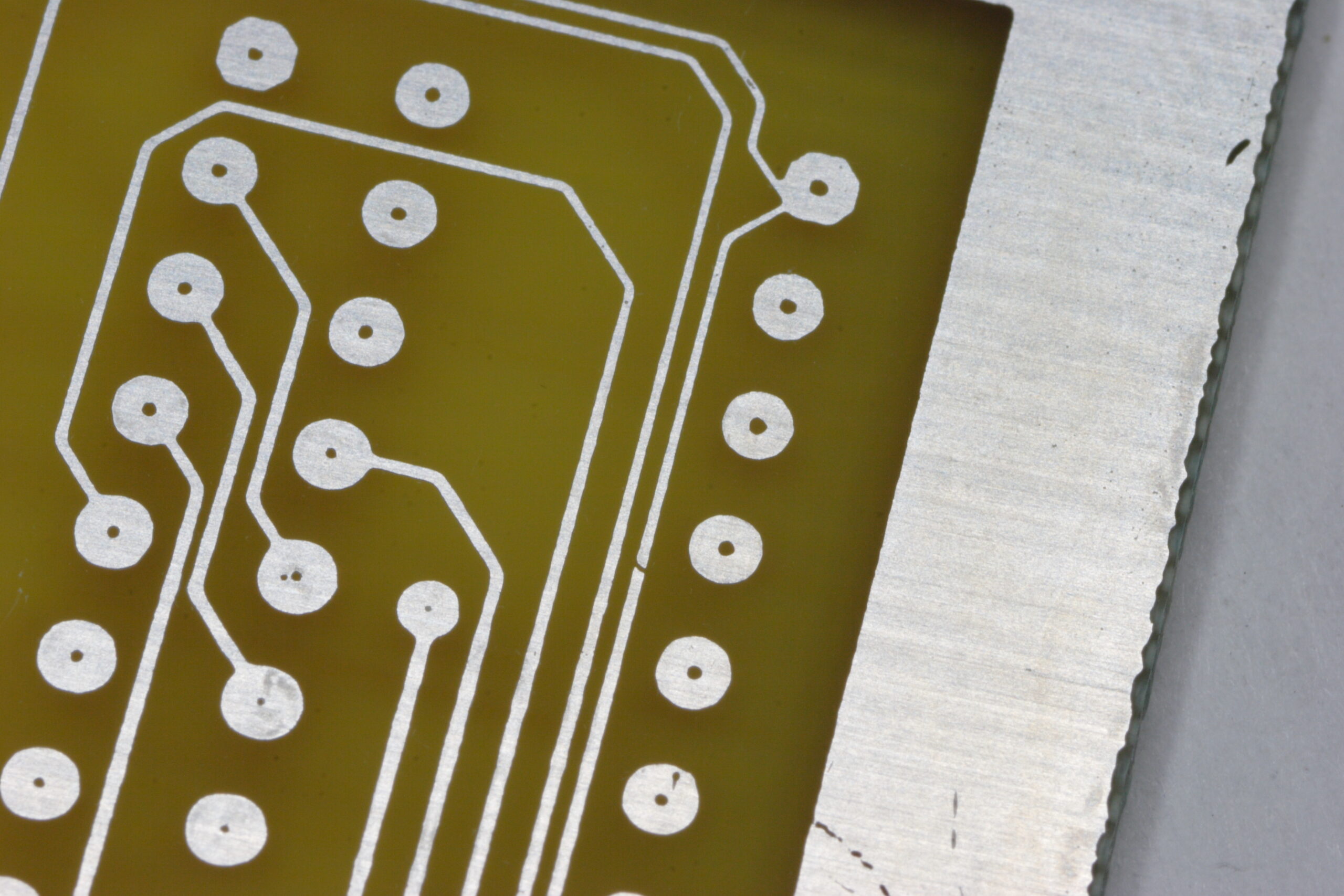
Also, I managed to successfully etch and tin plate the double-sided PCB for the Casio SK-1 MIDI modification. I’m in the processing of ordering the parts for it now.

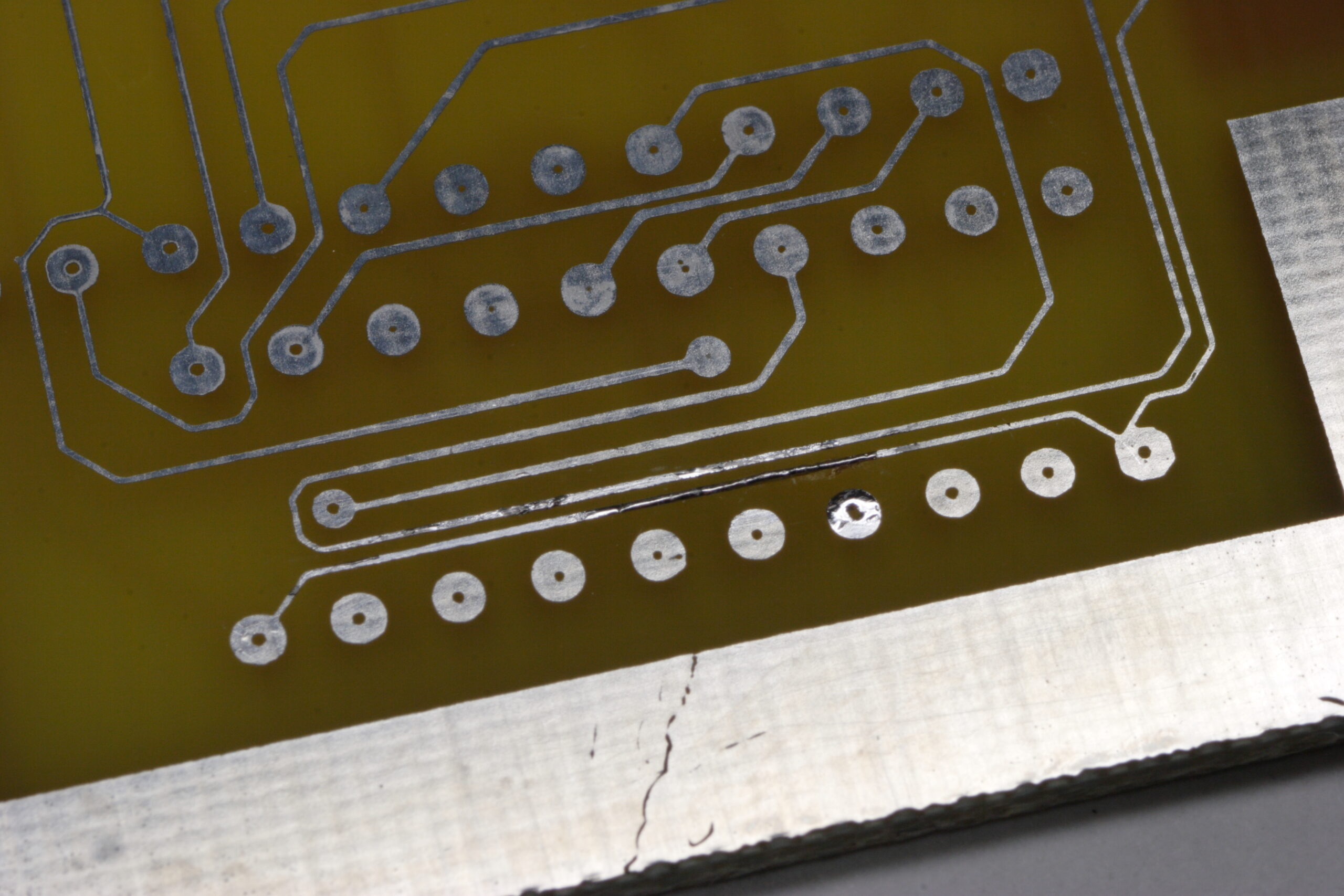
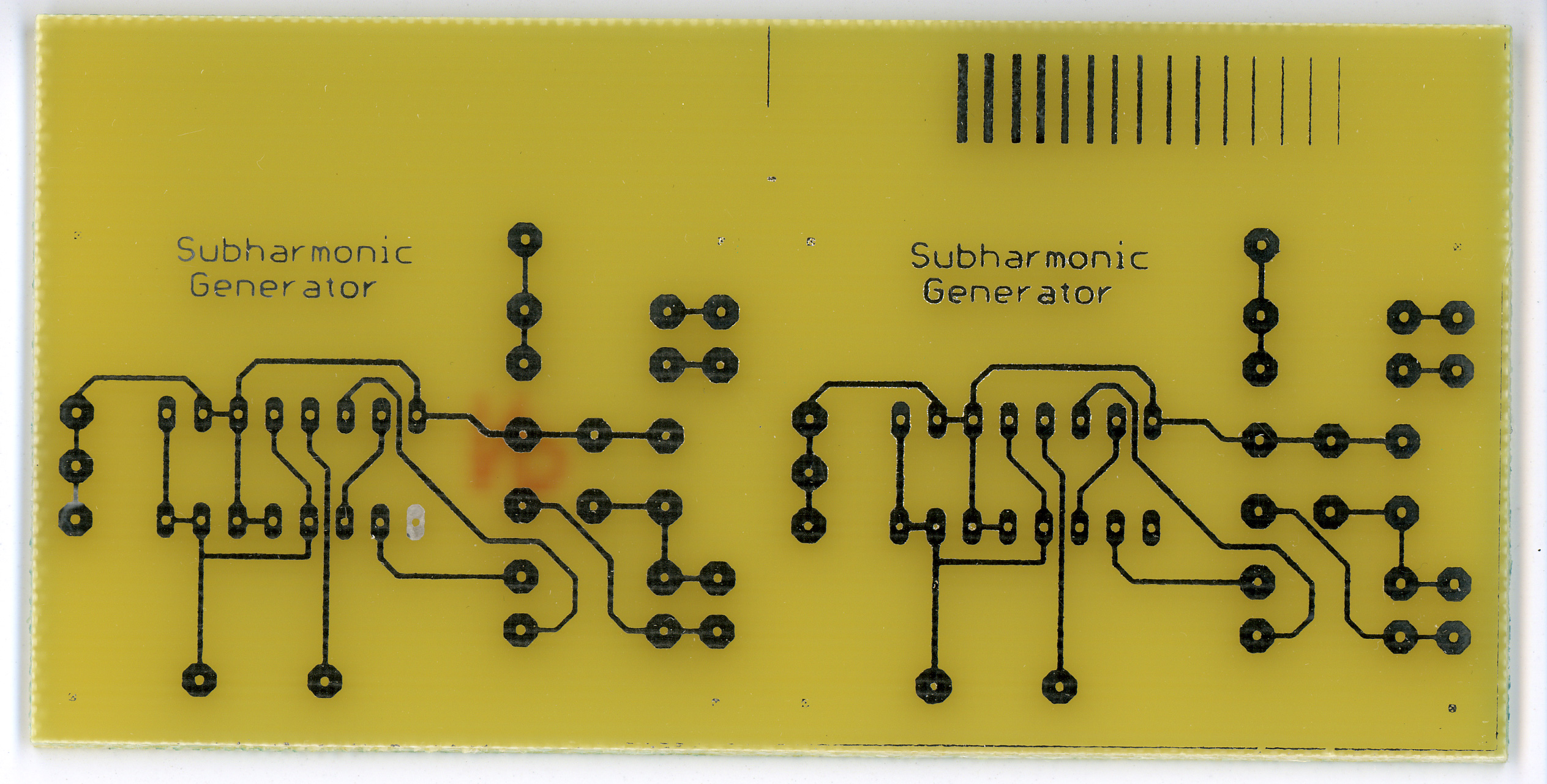
The etching seems good, but I did learn something. Hopefully this something won’t cause me problems down the line. It seems that one shouldn’t put the etched copper-clad PCB into the tinning bath until it is warm enough to dissolve all the precipitated stuffs. The solids setting against the copper/tin will leave a whitish discoloration, which may or may not be good for the board. Fortunately there doesn’t seem to be any of this on the pads, and only in a couple spots on the traces, so it should be fine.

It wasn’t a problem on the one affected pad on the FatMan’s Subharmonic Generator, so hopefully it won’t be a problem here. It’s not like the copper isn’t still intact beneath.

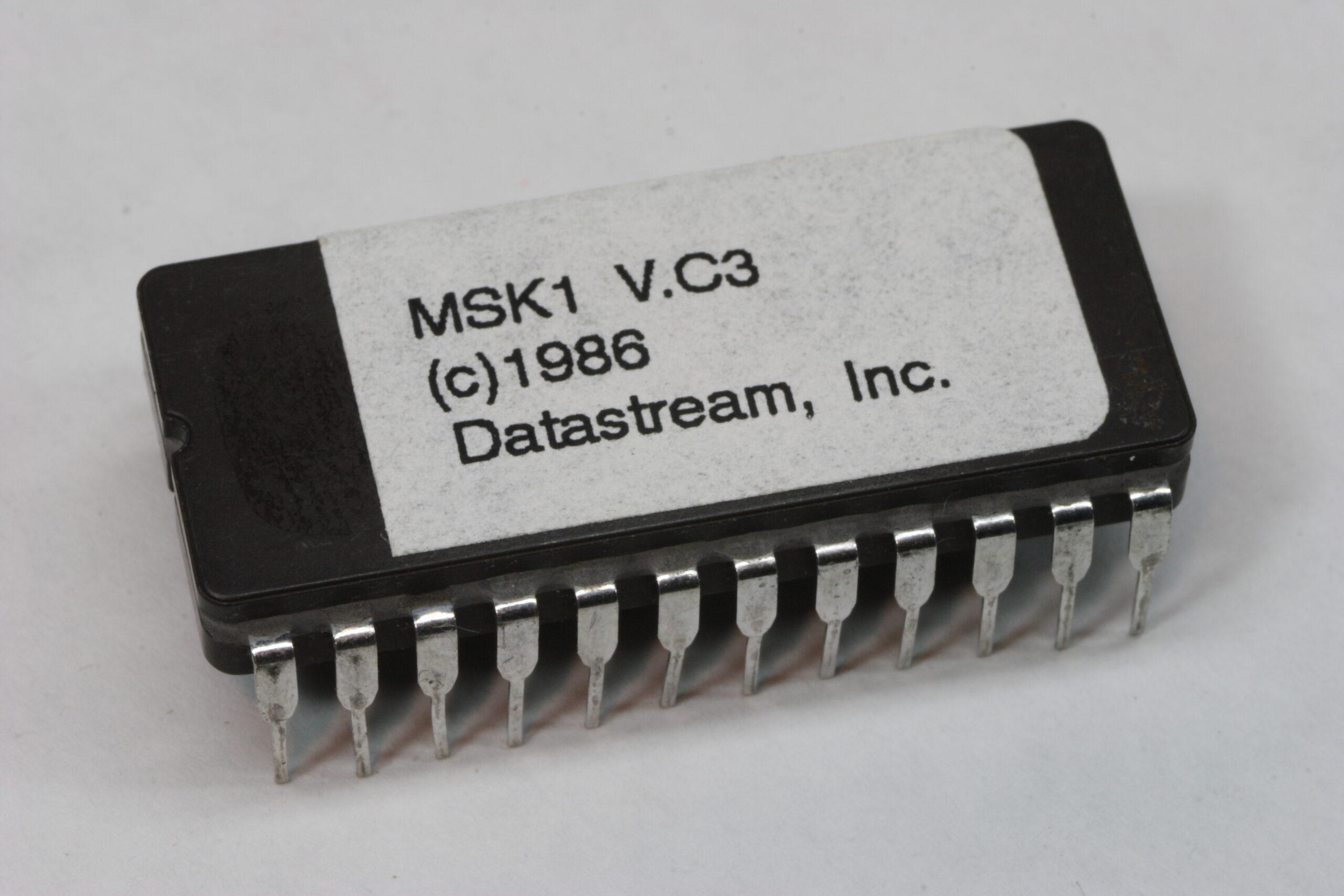
Well, back to ordering parts and figuring out exactly which Intel 80C31 I need.

beerelectronicsmoved from livejournal

PAiA FatMan Plus


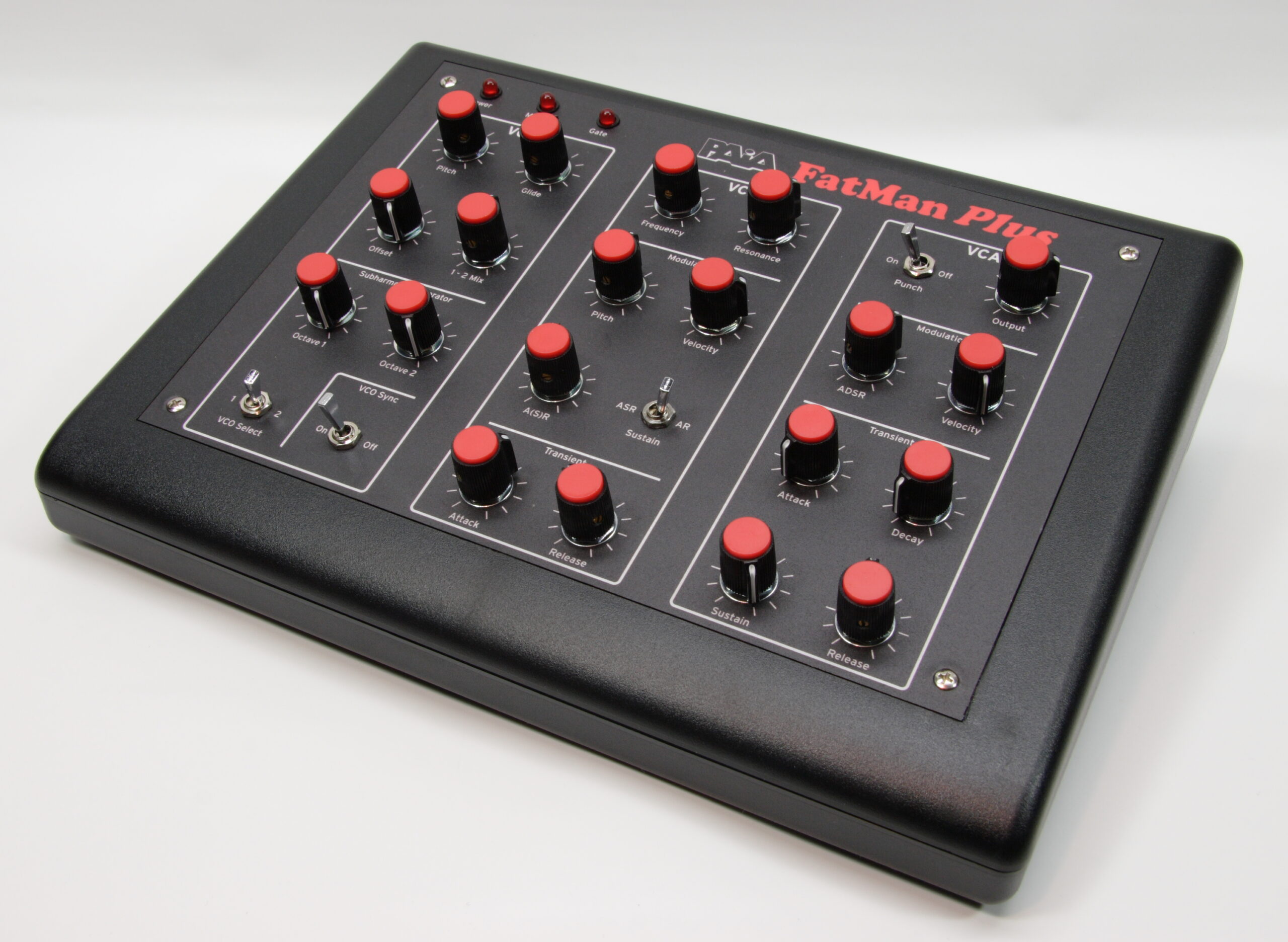
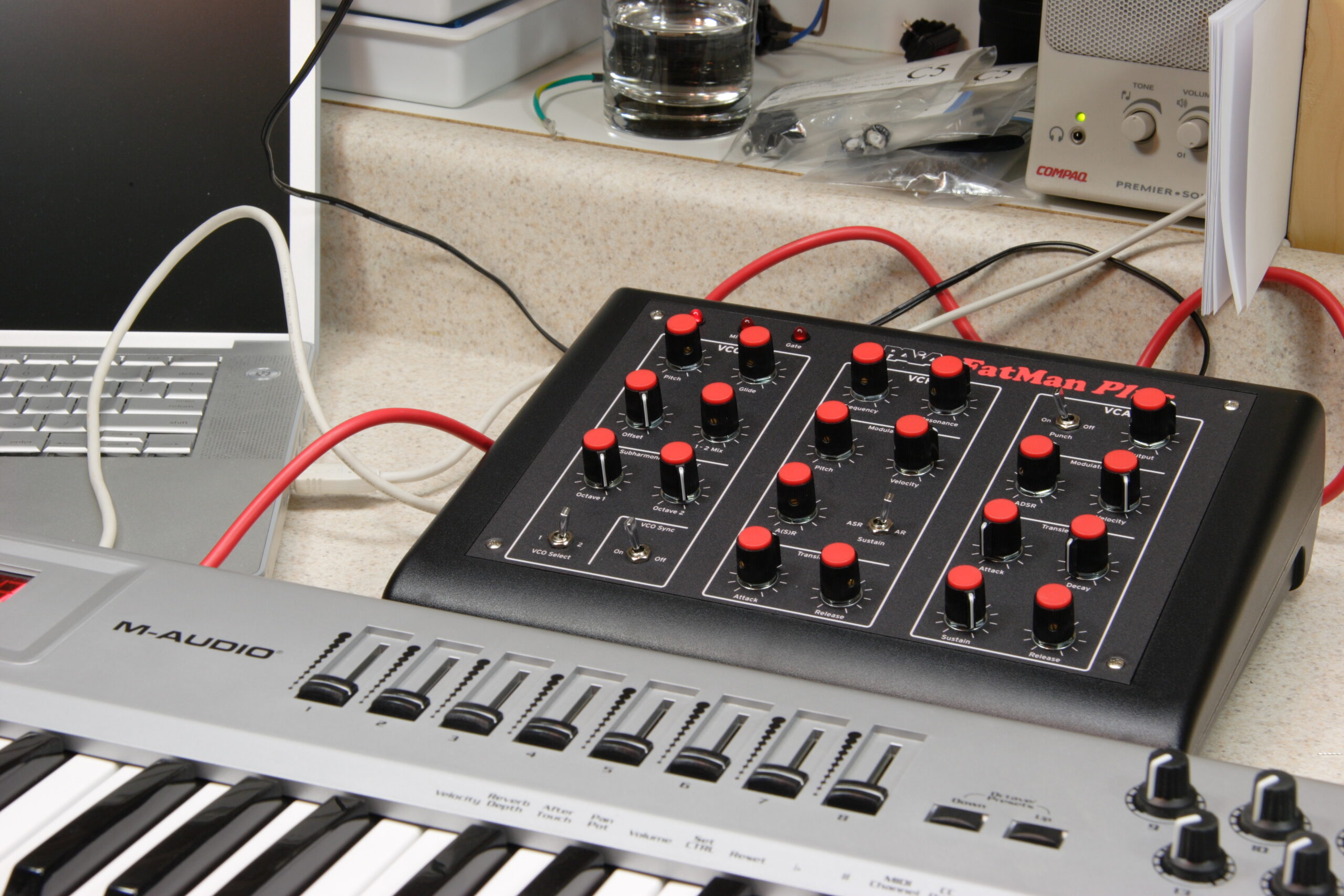
The completed PAiA FatMan Plus
(Click for more…)

Well, there it is. It’s done. No, not the x0xb0x (photo gallery retired), that’s still waiting for the front panel, but the PAiA FatMan Plus.

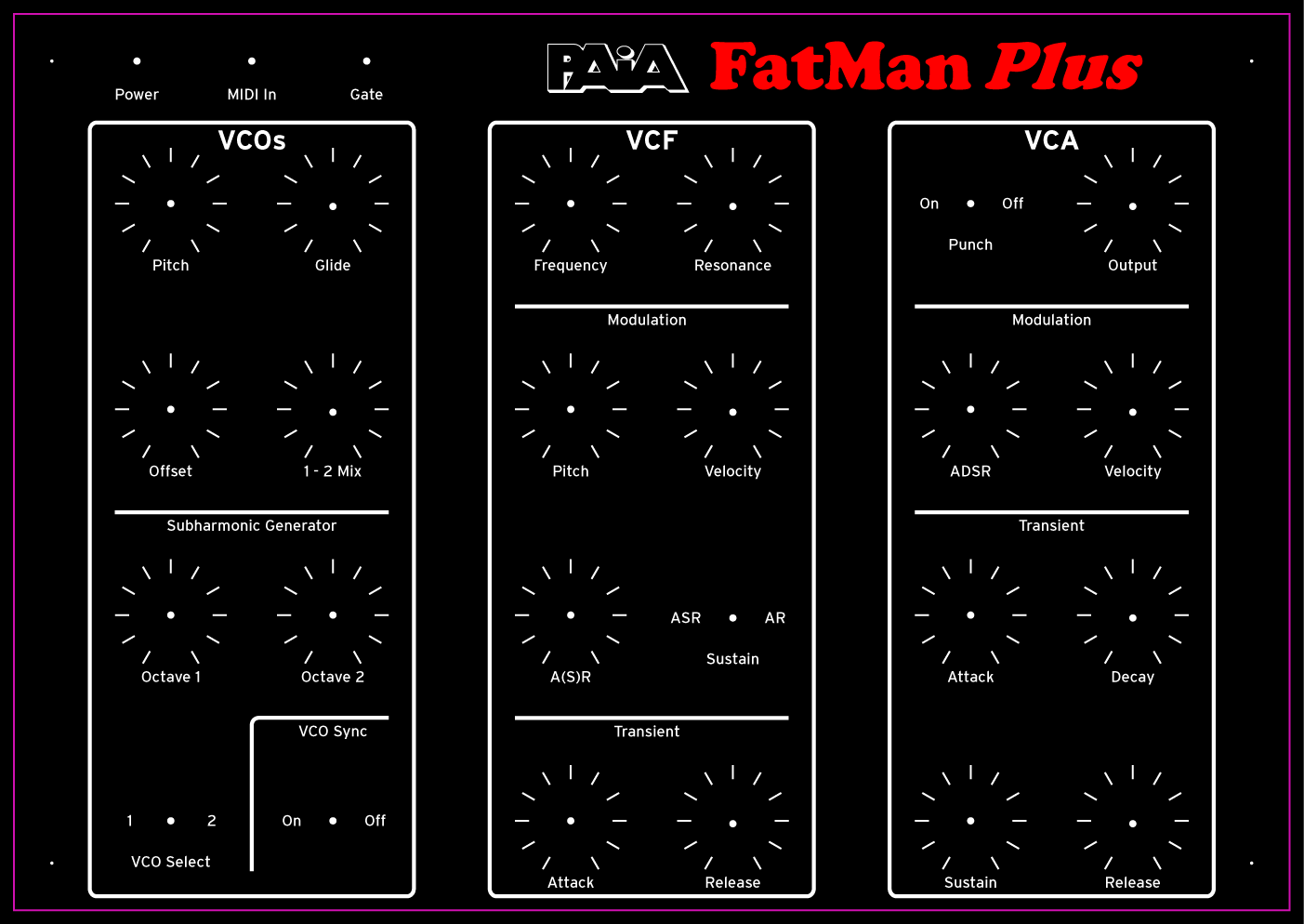
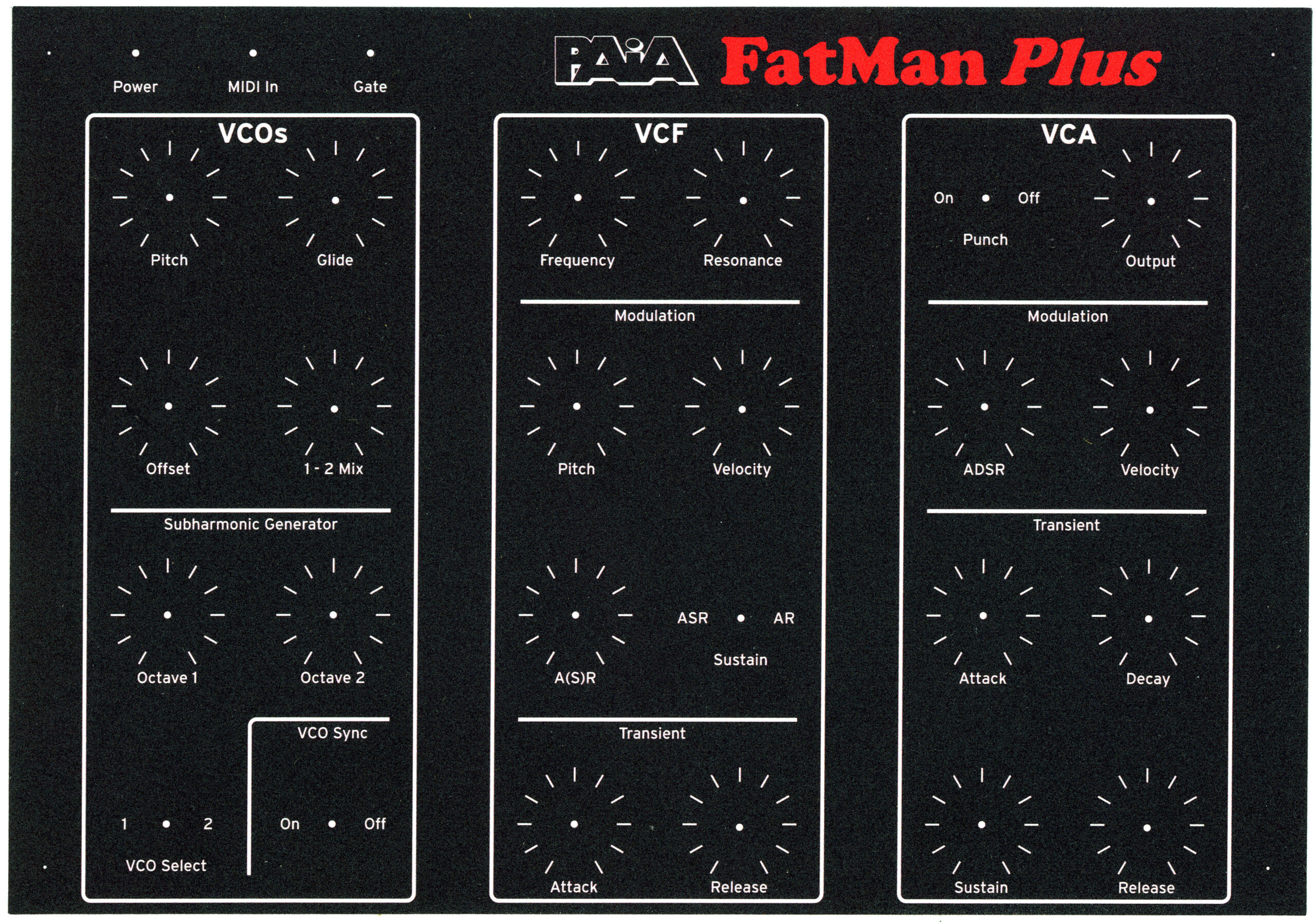
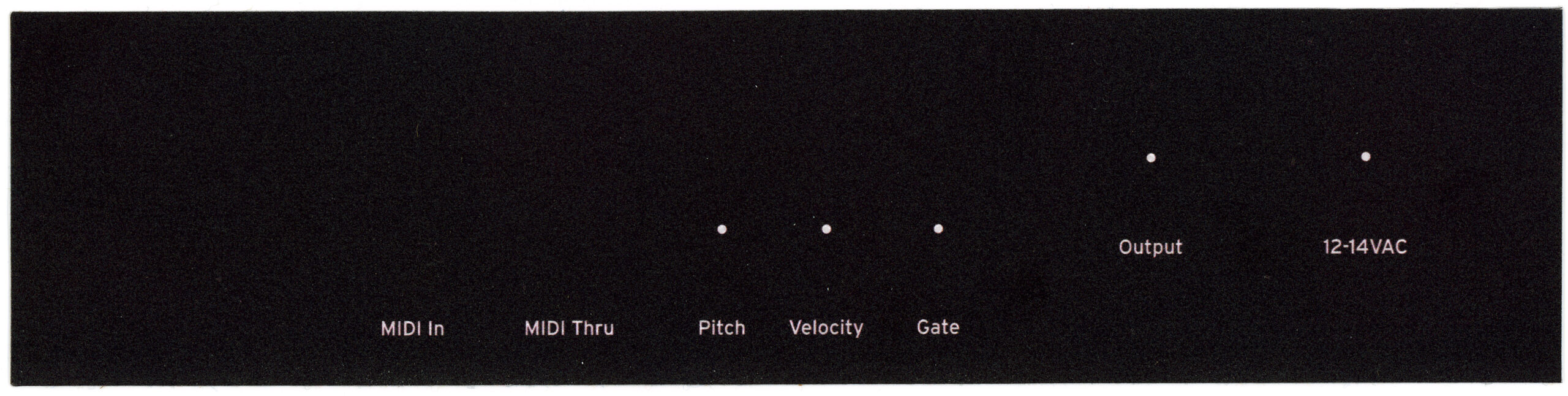
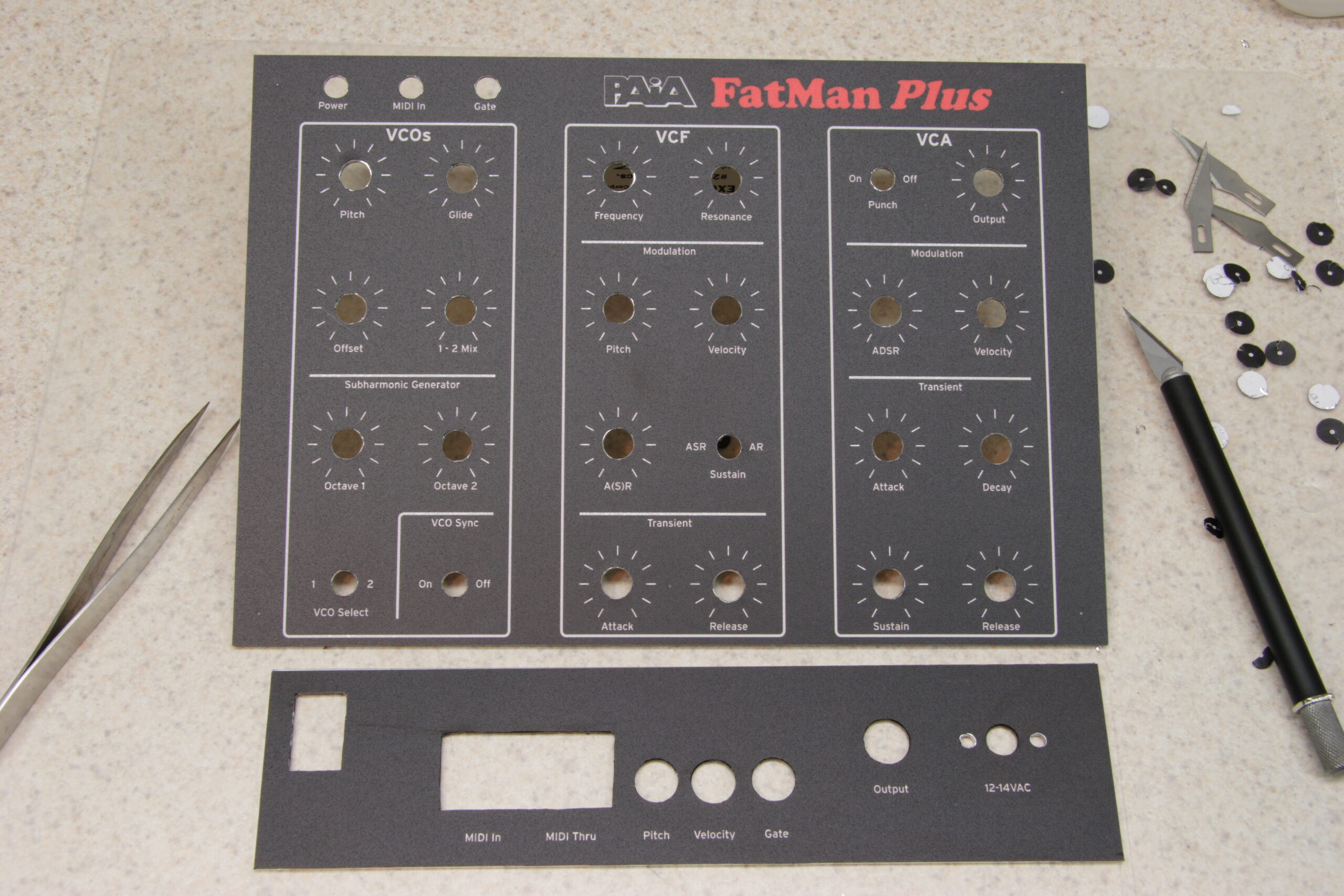
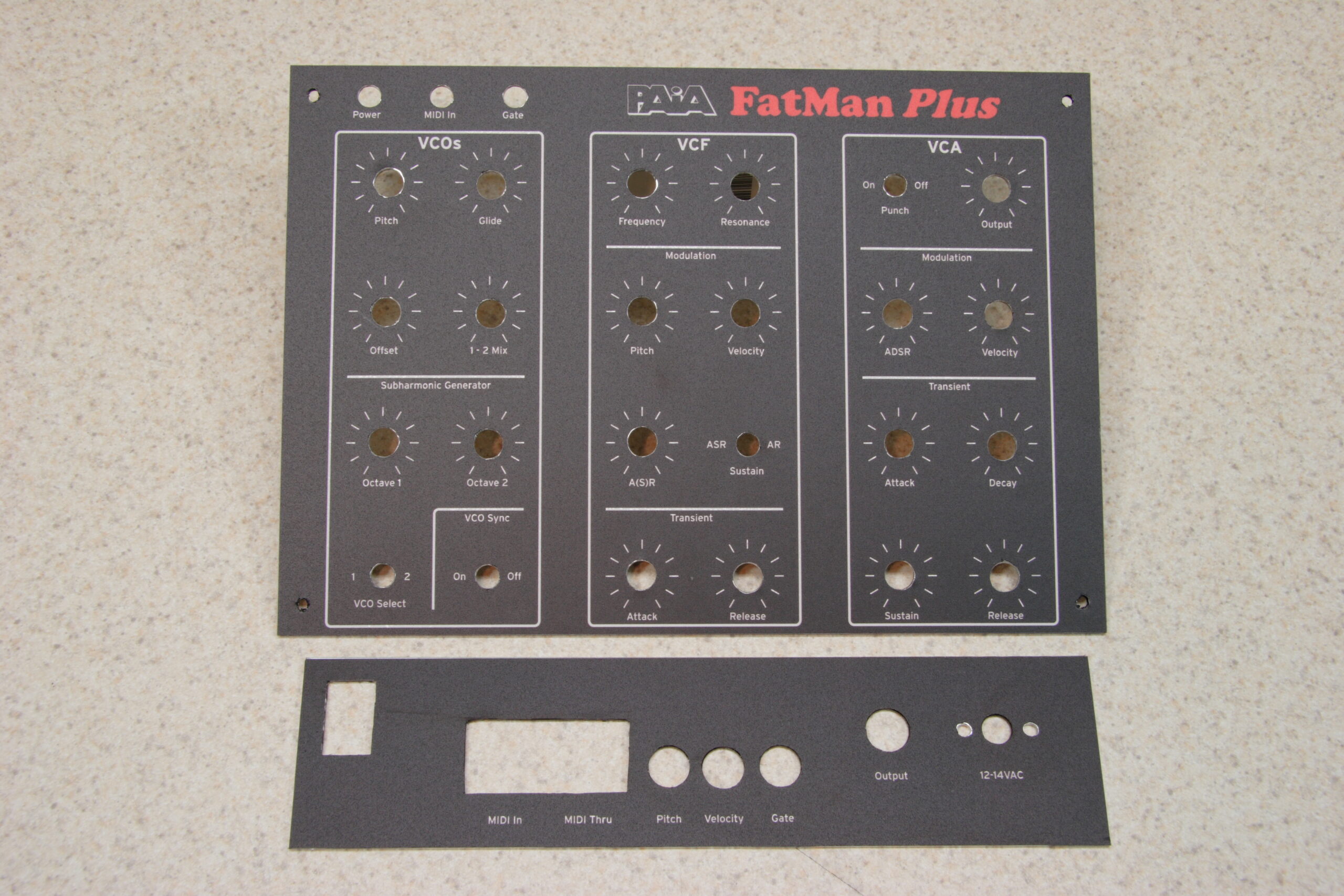
Today the new panel overlays came in from a guy in Ypsilanti named Chris Lowell who owns a sign shop there called Lowell Sign Designs, Inc. I met him on ladyada’s tea party as part of my posts about the < a href="http://www.nuxx.net/gallery/v/stuffivemade/x0xb0x/frontpanel/">redesigned x0xb0x front panels which I’ve been working on. Earlier in the week I sent him my final design for the PAiA FatMan Plus front and rear panels. He gave me a great deal on printing them and they arrived today. They are inkjet printed vinyl with Lexsaver over them, so they don’t look quite the same as the Lexan-only panels from MaverickLabels.com, but they still look good.

If you are curious, here is a high resolution scan of the front panel, and here is the rear.

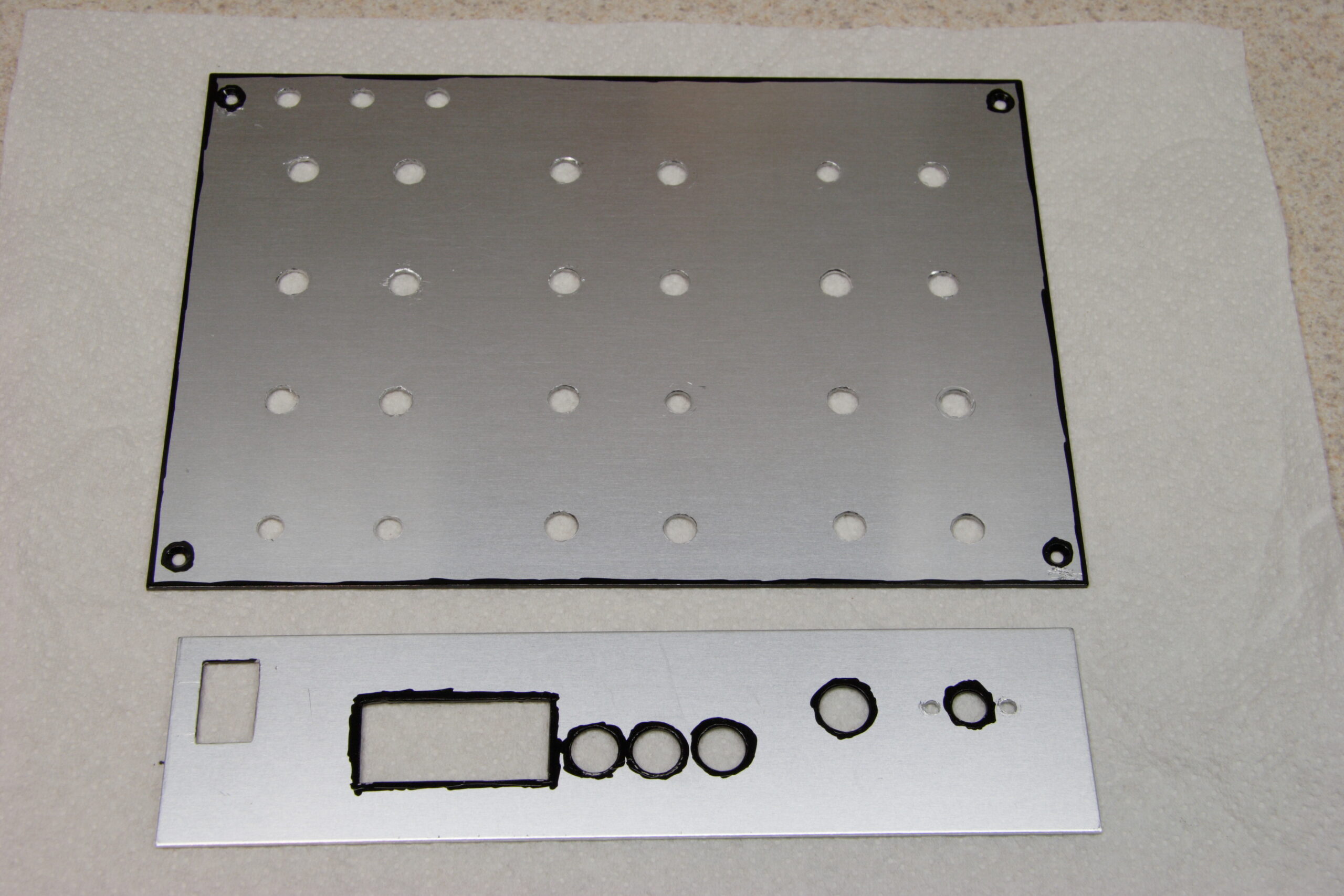
With having a working synth and acceptable artwork, I set to finishing it all up. First I pulled the panels, then I cleaned them up and painted all the edges which could or would be exposed with a nice black paint pen. Next I applied both overlays and cut out all the holes. The holes for through-hole parts didn’t need to be perfect, so I just generally followed the metal at the edge. For the countersunk holes for the corner screws I didn’t cut all the way to the edge, that way the fit around the hole would be nice. The rear holes were a bit tricky, but I think I managed.

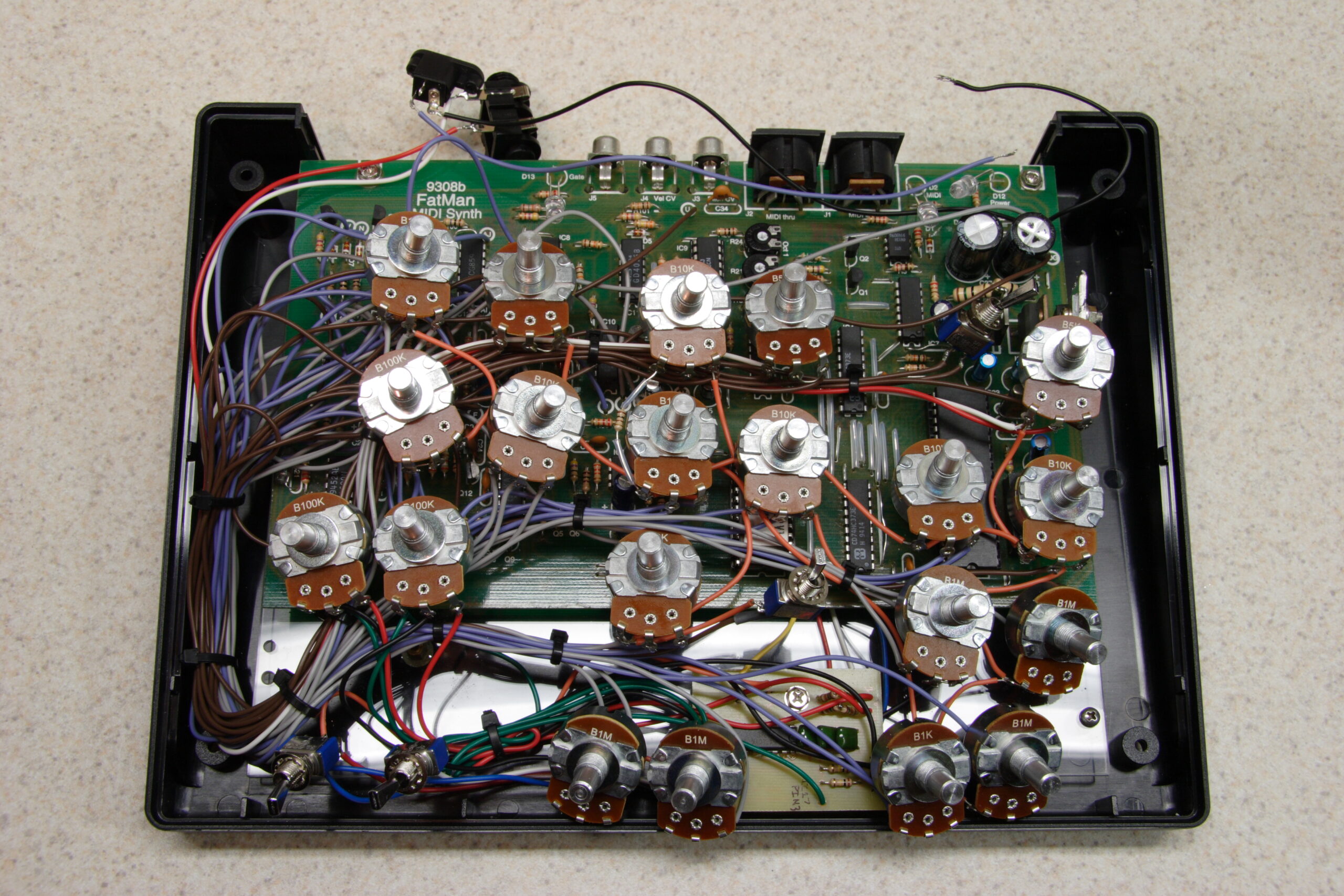
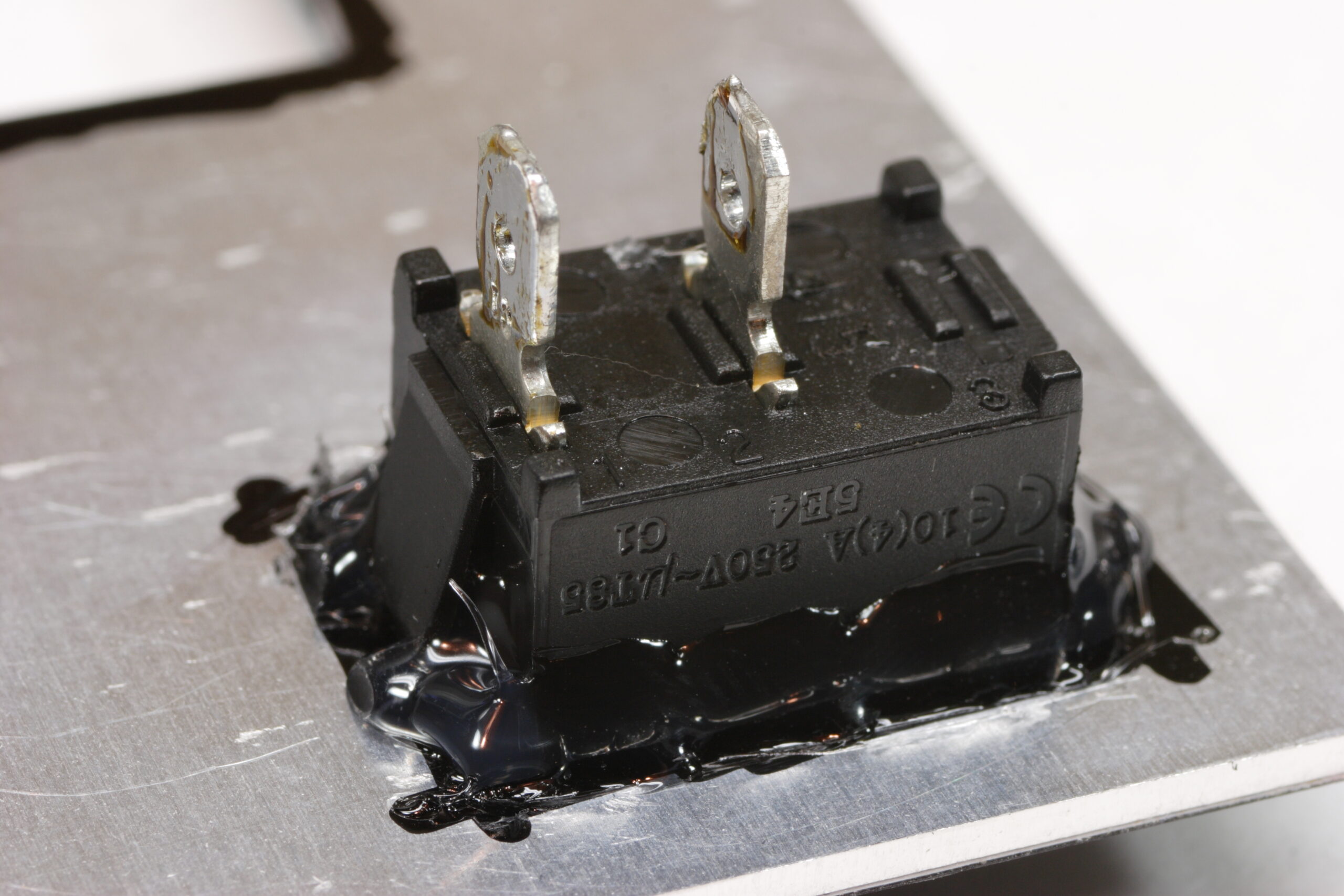
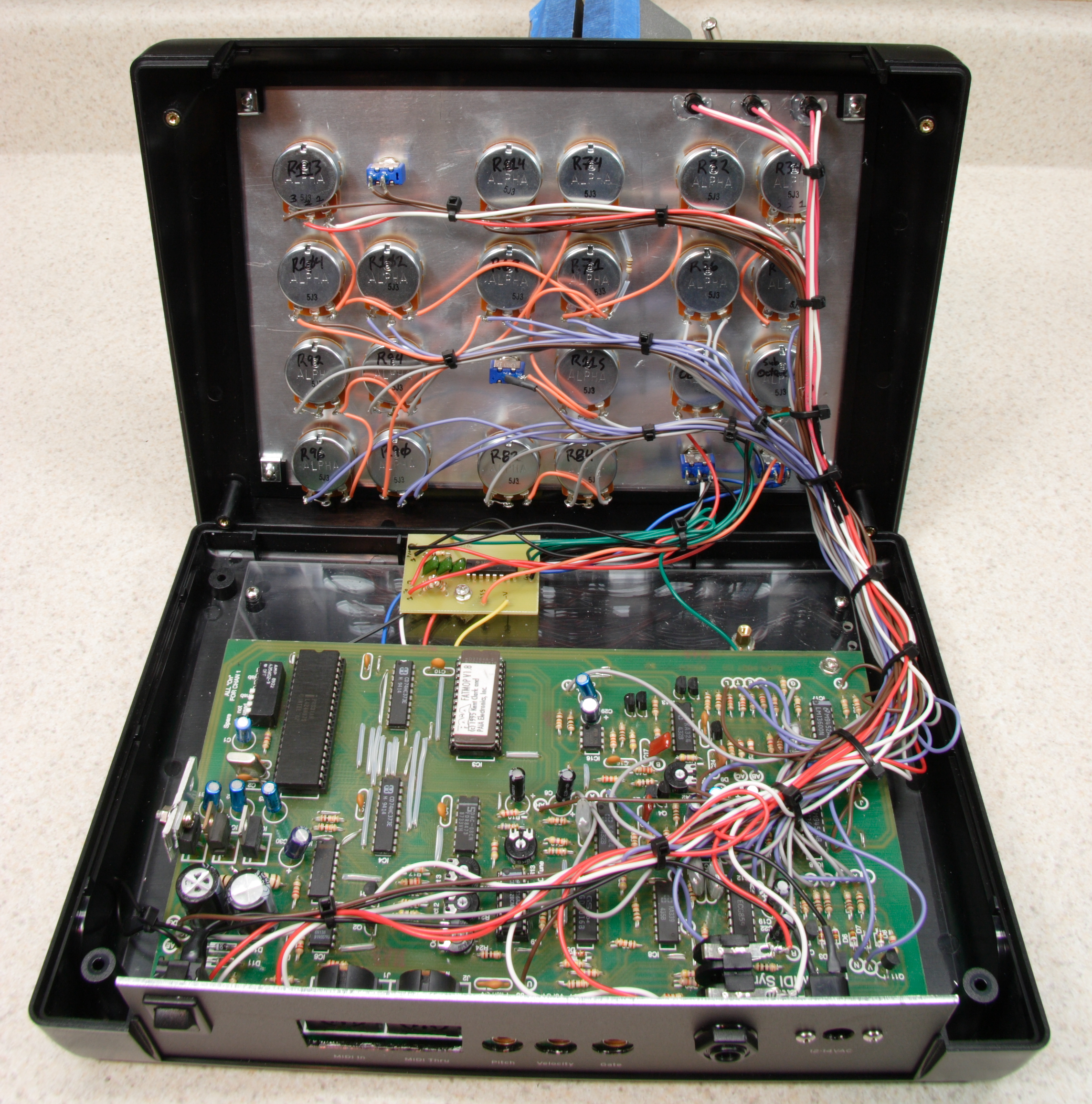
Then it was time to get on with the final assembly. I refitted the rear power switch to ensure it was solidly mounted, mounted and connected the LEDs, reinstalled everything else in the rear panel, fitted the rear panel, bundled all the wires so it would fit nicely.

After screwing the case shut for (hopefully) the last time, I gave it one final test with a MIDI keyboard before calling it finished.

And now? It’s done*.

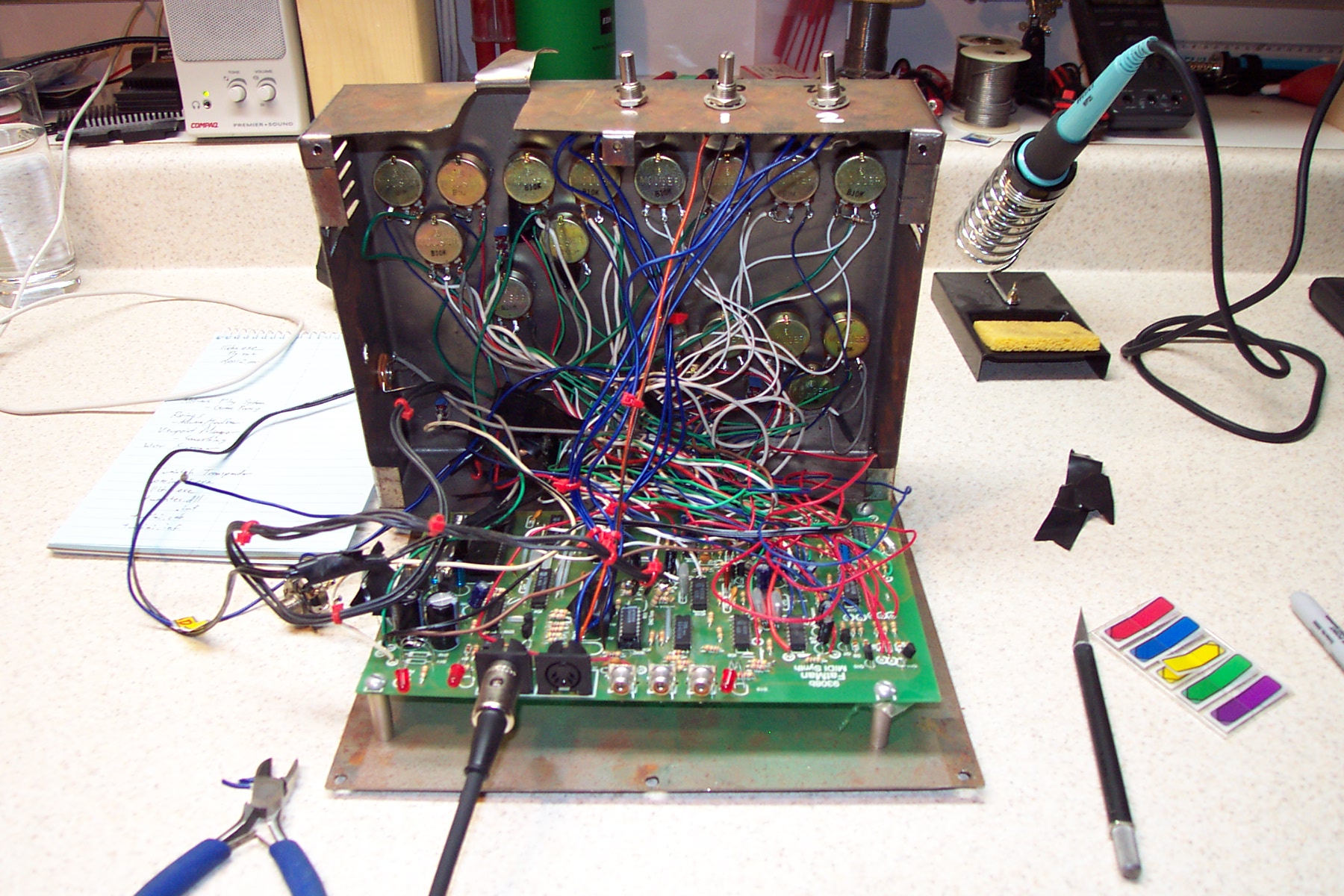
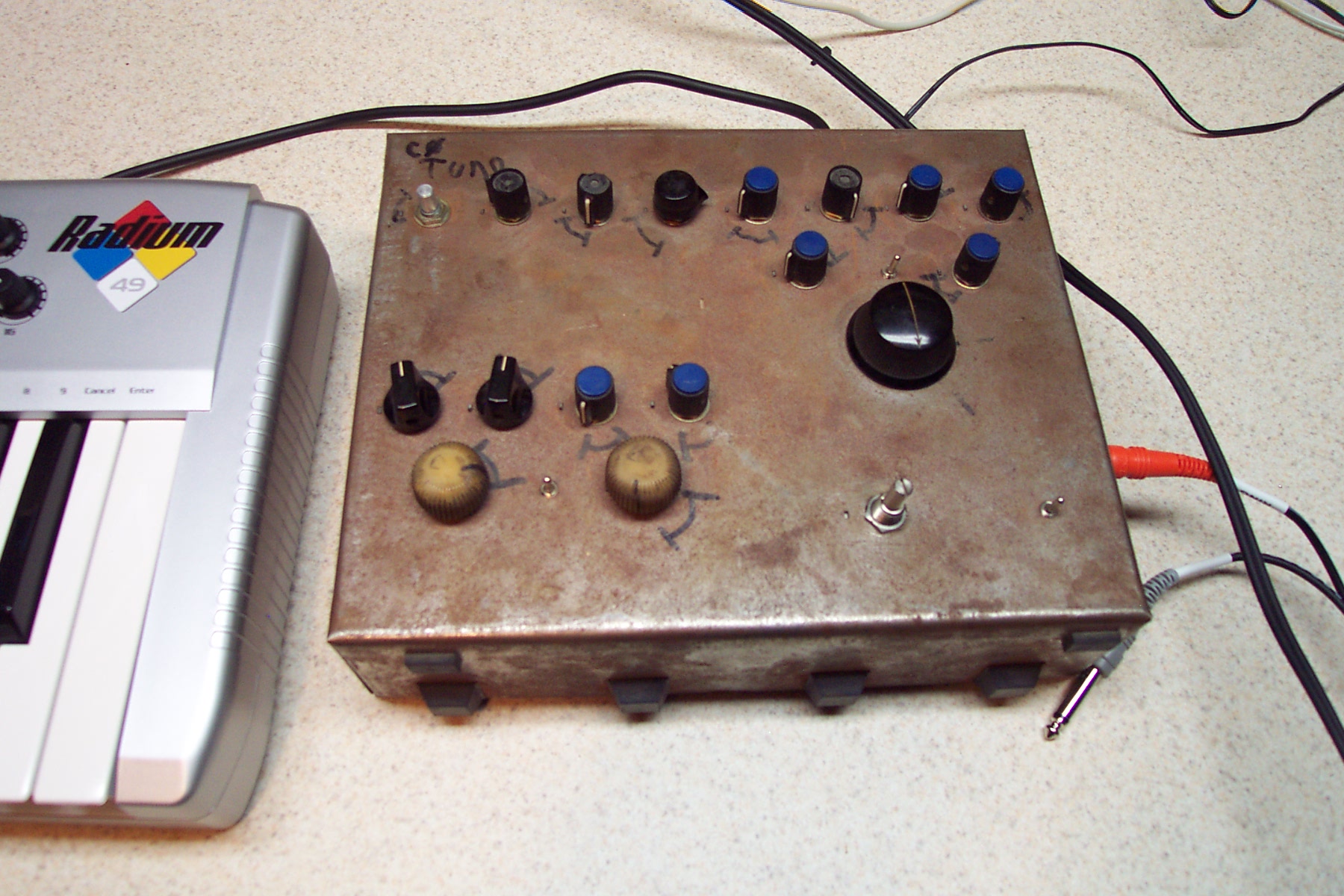
So, what was this mess in this case (yes, I like the rusty metal look too, it was just unusable and non-functioning) a few weeks ago is now this not-mess in this enclosure. Thanks to the Hard Sync and Subharmonic Generator additions, it’s capable of producing even more interesting sounds, too.

If you are interested, there are more photos of my PAiA FatMan Plus available here (photo gallery retired).

And now, with this done, I go to bed.

Goodnight.

* There are a few more tweaks I may make, like replacing the optoisolator (it may be causing me some problems responding to very frequent MIDI commands) and possibly some range adjustments, but those will come later, if ever.

electronicsmaking thingsmoved from livejournal

MaverickLabels.com Update


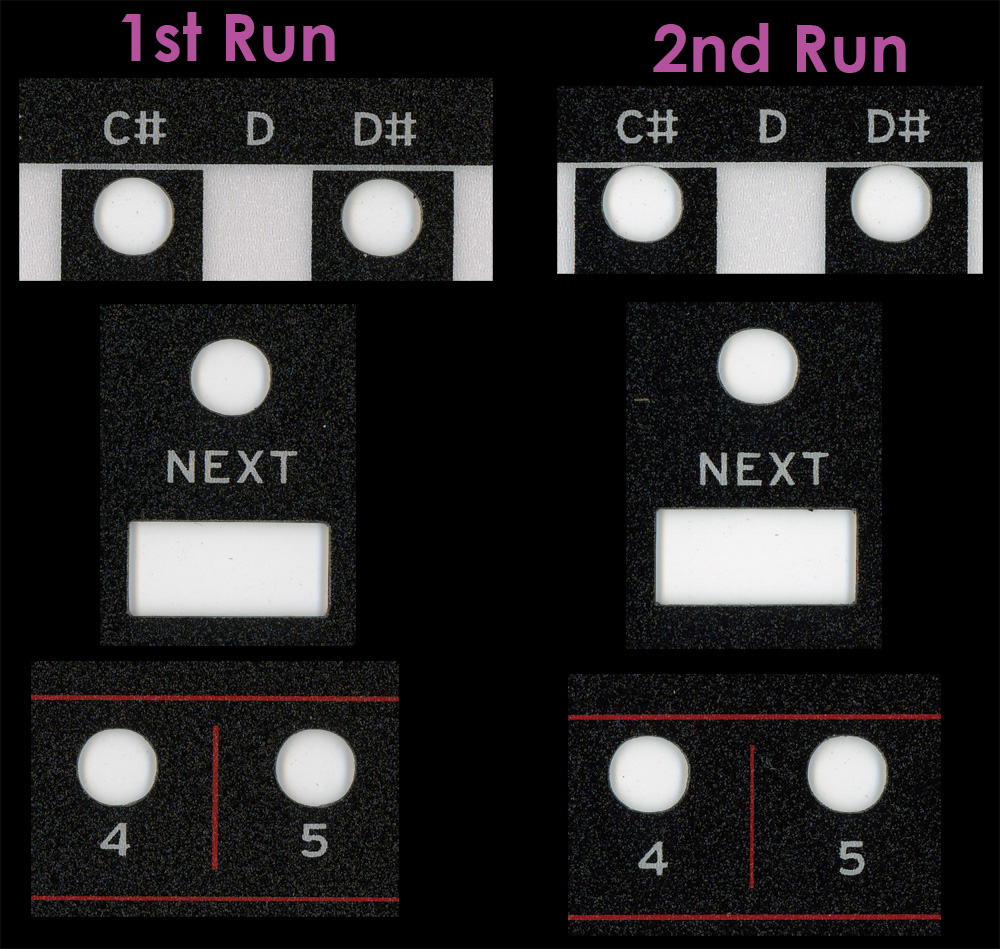
Cut errors in 2nd Run…
(Click for full size)

As a bit of an update, I spoke with the customer service rep for my account over at MaverickLabels.com. He apologized for things, thanked me for the scans (I figure they are the only clear way to point out the errors) and said that the job will be re-run tomorrow, and they will be sent out via UPS Next Day Air.

So, I guess I’m waiting until Friday. As long as the labels on Friday look fine, I’ll be happy. I think a combination of waiting too long to eat along with bad traffic made me a bit grumpy, to say the least.

I think I’ll go clean up my workspace downstairs… Since synth things are wrapping up (for now), it’d probably be a good idea to bin the spare parts and get everything in order again.

electronicsmaking thingsmoved from livejournal

Step Sequencer

So I’m thinking about a new project to work on, and I’ve got a fairly ambitious idea: Build A Drum Sequencer

After looking around and talking with via some forums, I’ve come to realize that there really is a lack of any sort of stand-alone step sequencer for use with drums, especially in kit form.

Thinking about it, I believe that I could probably take the digital part of the x0xb0x, add or remove LEDs and buttons as needed, then rework about half of the software so it works a bit differently. Using a few resistor networks I think I could simplify the panel a bit too…

So, I think there’s a couple of (major) steps to doing this. Then I could even sell the thing in kit form. Those steps are:

· Settle on a feature set and the buttons and LEDs this will require.
· Rework the x0xb0x schematic to reflect this.
· Design a panel layout which will be usable, fit a readily available enclosure, and will allow the parts to fit around each other on the PCB.
· Order some sample PCBs and build a prototype.
· Rework the x0xb0x software to do what is needed.
· Look into selling either PCB sets w/ parts lists or full kits.

I wonder if this is within my abilities.

I think as a test I may to write some new x0xb0x software which will sort of implement this functionality, just to see if I can manage that part…

electronicsmaking thingsmoved from livejournal

PAiA FatMan Rebuilding Goes Awry…

Tonight I got the modifications to my PAiA FatMan all implemented. Unfortunately, after powering it back up I realized that it wasn’t quite working any more.

When I press a key, I’m getting a single shot of sound for each key press, in a way which almost sounds to be as if the synth is generating a single wave and then stopping. Both VCOs are doing this.

The VCF still seems fine as does the VCA, and I’ve triple-checked everything. I even went so far as to individually remove all the lines which actually implement the various modifications in order to rule them out.

My current thought is that when attaching the wires to the back of the PCB I fried both of the new CMOS 555’s which I put in. My thinking is that non-functional timer, things can’t repeat, etc… It’s also the only thing I’ve touched since I had it working last night.

I’m fairly confidant that all the digital stuff on the board is still good, all the way through the midi -> cv part of it. The MIDI light blinks, the gate LED goes solid whenever a key is held down. Also, the VCF and VCA change the sound appropriately when one fiddles with the knobs. If I crank the release on the VCF way up, a sustained sound is heard. Even the modifications I made seem to be working, just for a very brief period of time.

Fortunately I had ordered four 555’s (originally only used two) and I’ve got some DIP8 sockets laying around, so tomorrow I’ll just replace them with socketed parts. I’ll also do one, test, then go from there…

I really, really hope that is the problem. I’d love to hear ideas if any of you think it could be something else. The schematic can be found near the end of this PDF.

However, the only points I did anything with on the board since it was working last night are the 555s, part of the VCF to provide audio in (soldered to a pin of an IC), and half of a resistor, so the 555s will be the first to be swapped tomorrow.

Oh, and it sounds really, really cool with these modifications. Much improved over the original.

UPDATE: Gur. I’m an idiot. Of course you’ll just get a burst of sound with ‘sustain’ in the VCF turned all the way down. Guh. Yeah, it’s working fine… I just need a new EPROM with new software on it to work around the FATMOP v1.8 (or whatever) MIDI bug.

electronicsmaking thingsmoved from livejournal