Bike Rack
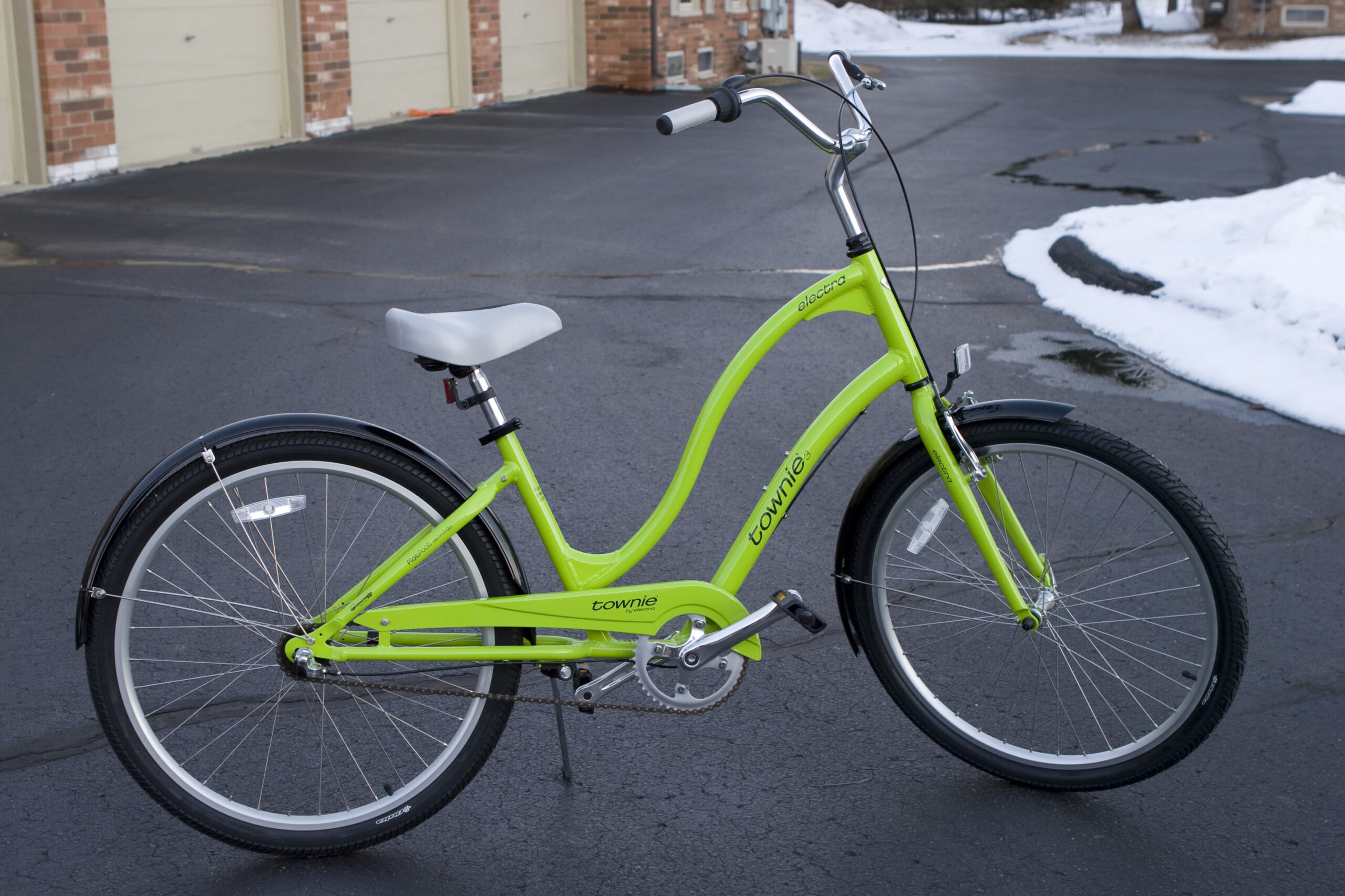
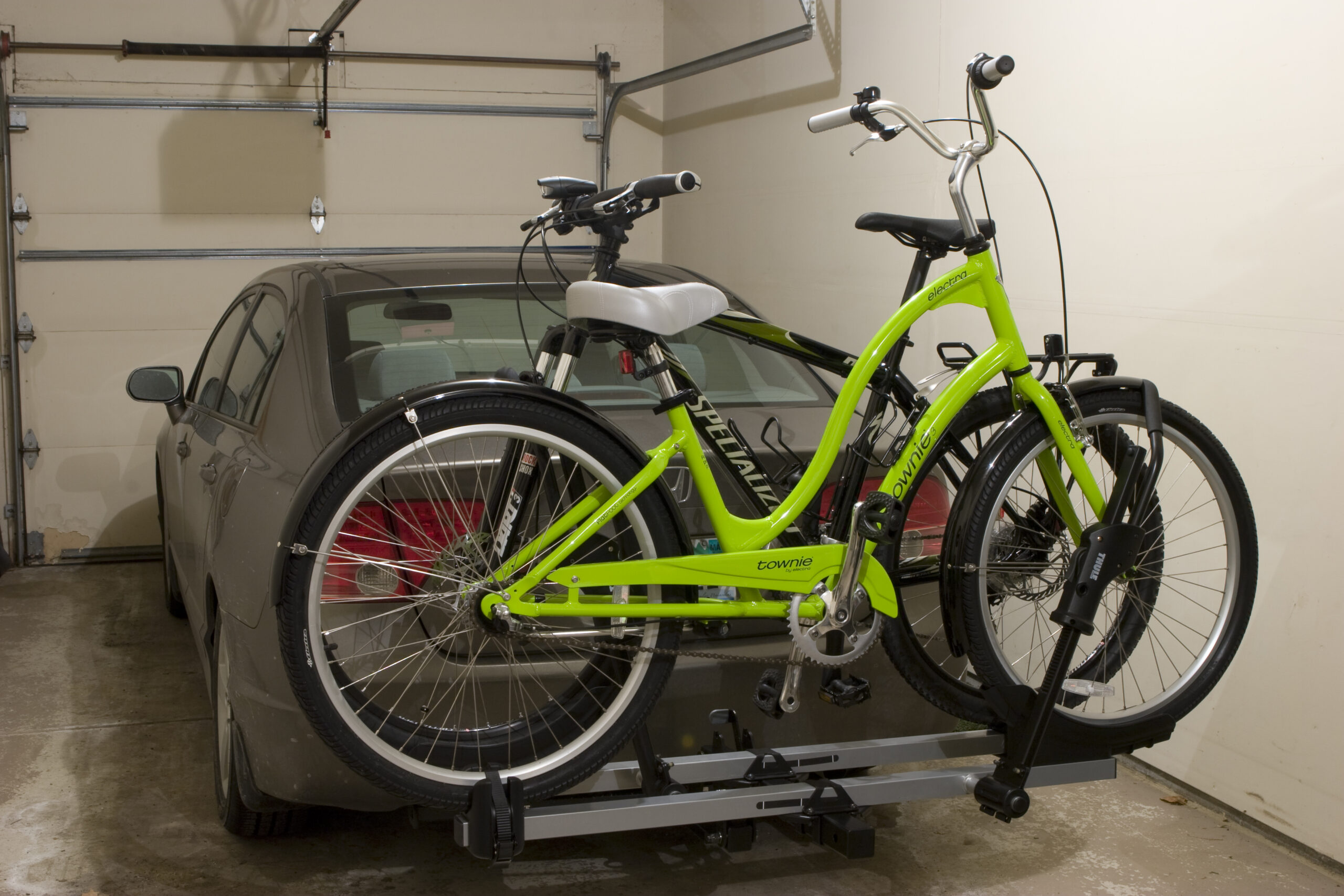 Danielle’s Townie and my bike on my car.
Today the gigantic box containing the Thule 917 T2 bike rack which I had ordered from backcountry.com arrived today. Upon opening the box I found that the contents were a bit disshoveled and the instruction manual was missing. Also, a few of the parts were scratched a bit, and there was a rather scuffed up, but spare, pipe end cap in the box. After looking the rack over, based on the wear on the nuts, I figured that someone had purchased it, assembled it up to the point where it had to be put on the car, then put it back as it was, and returned it. This meant that it really didn’t have any wear except. The parts kit hadn’t even been opened.
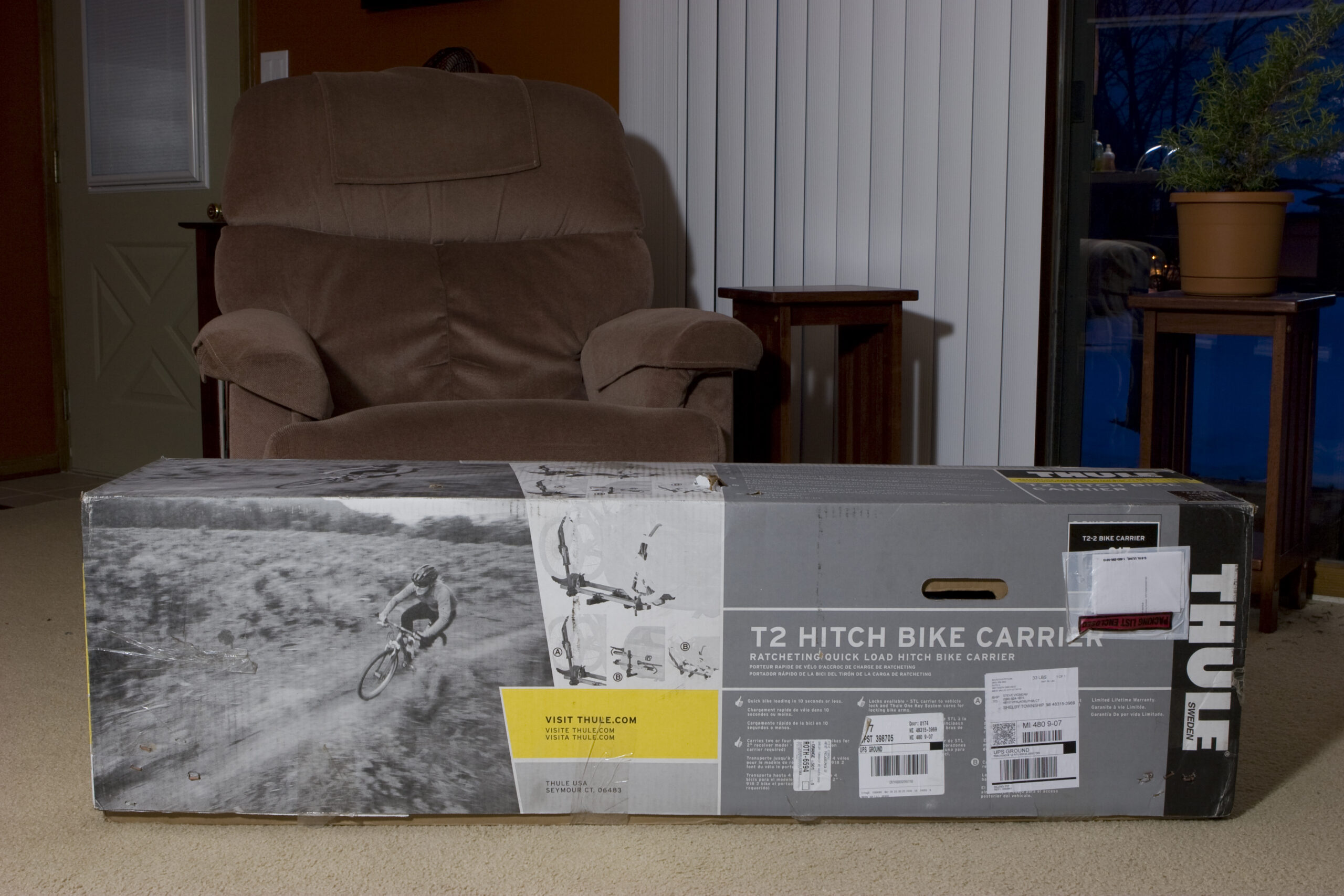
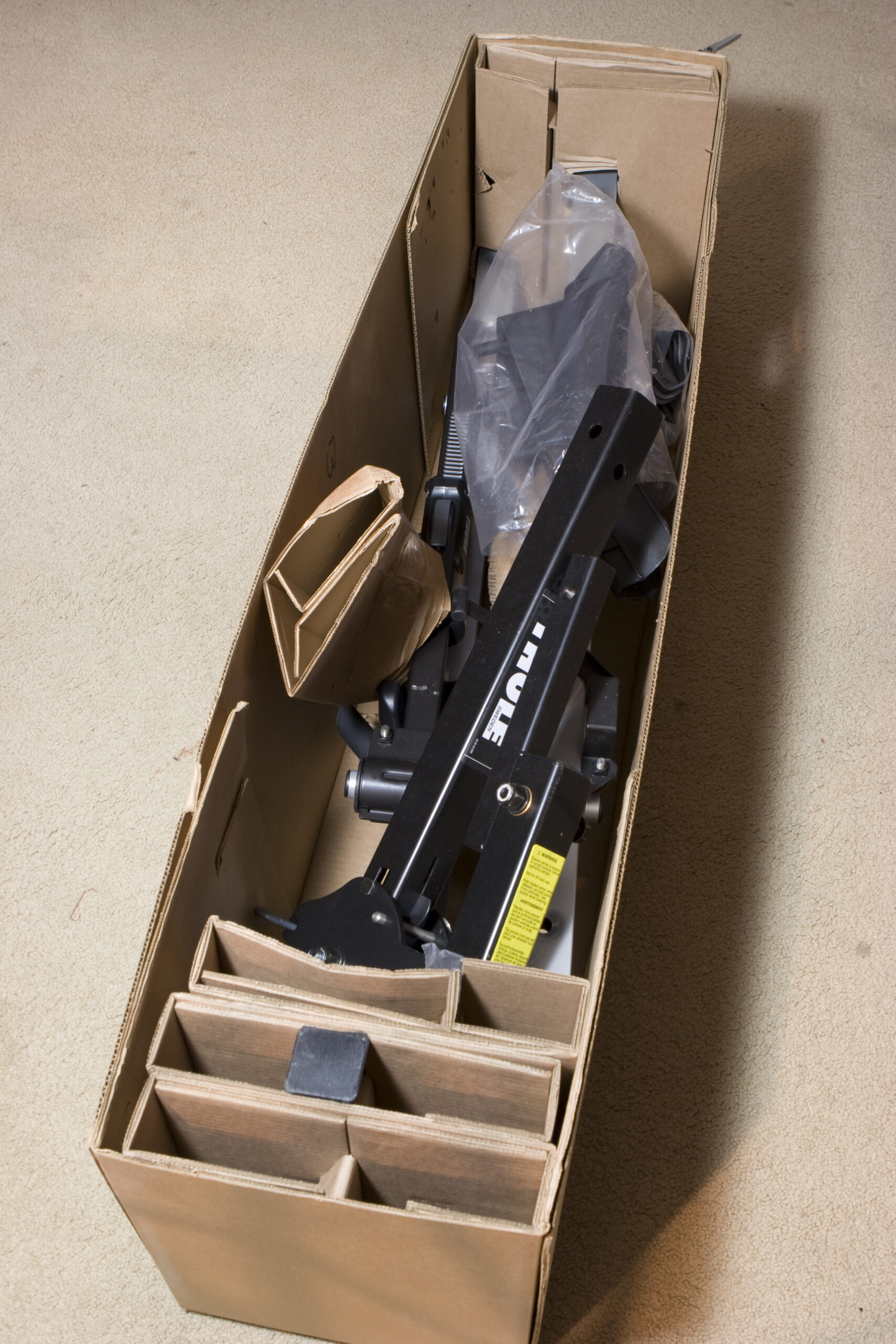
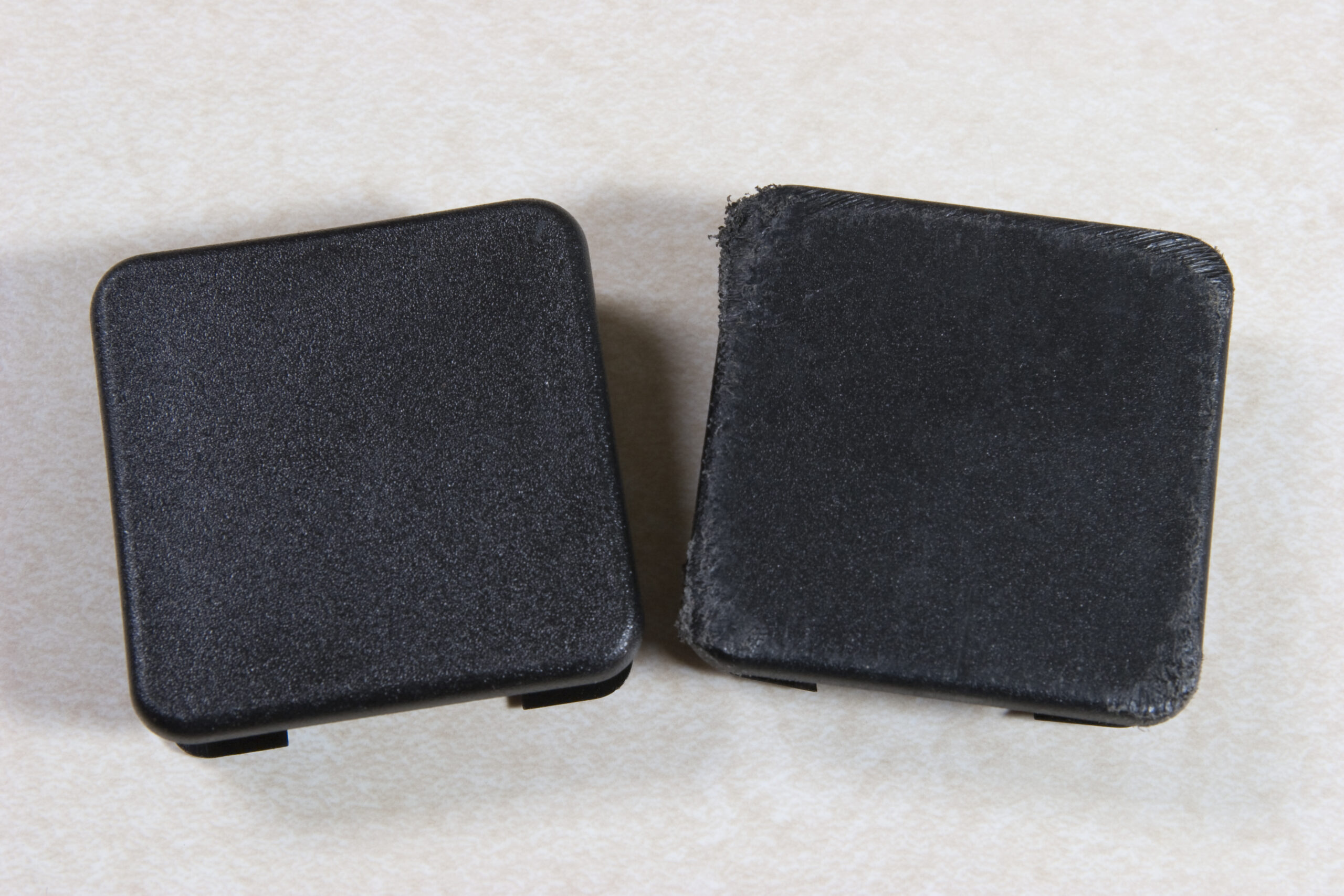
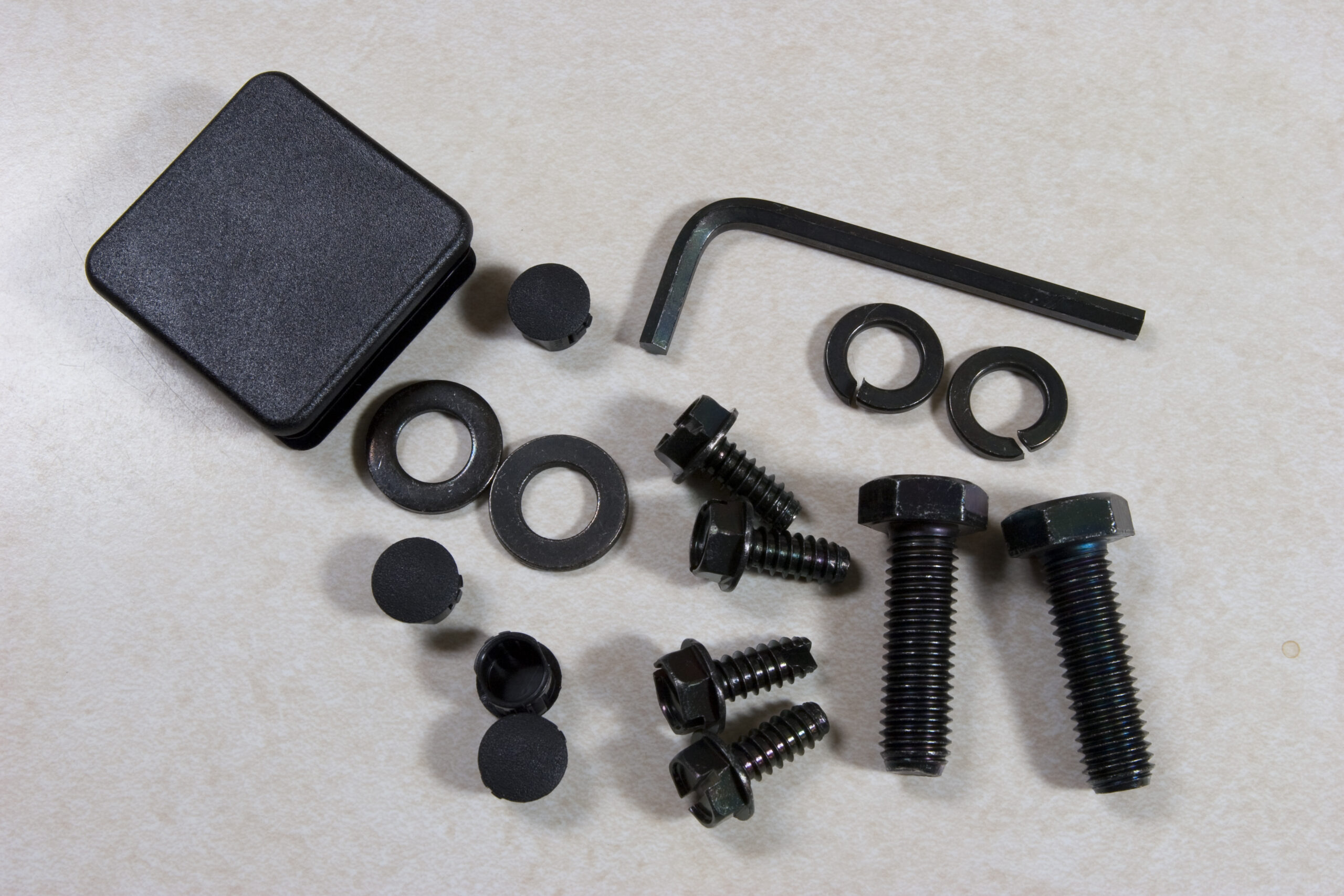
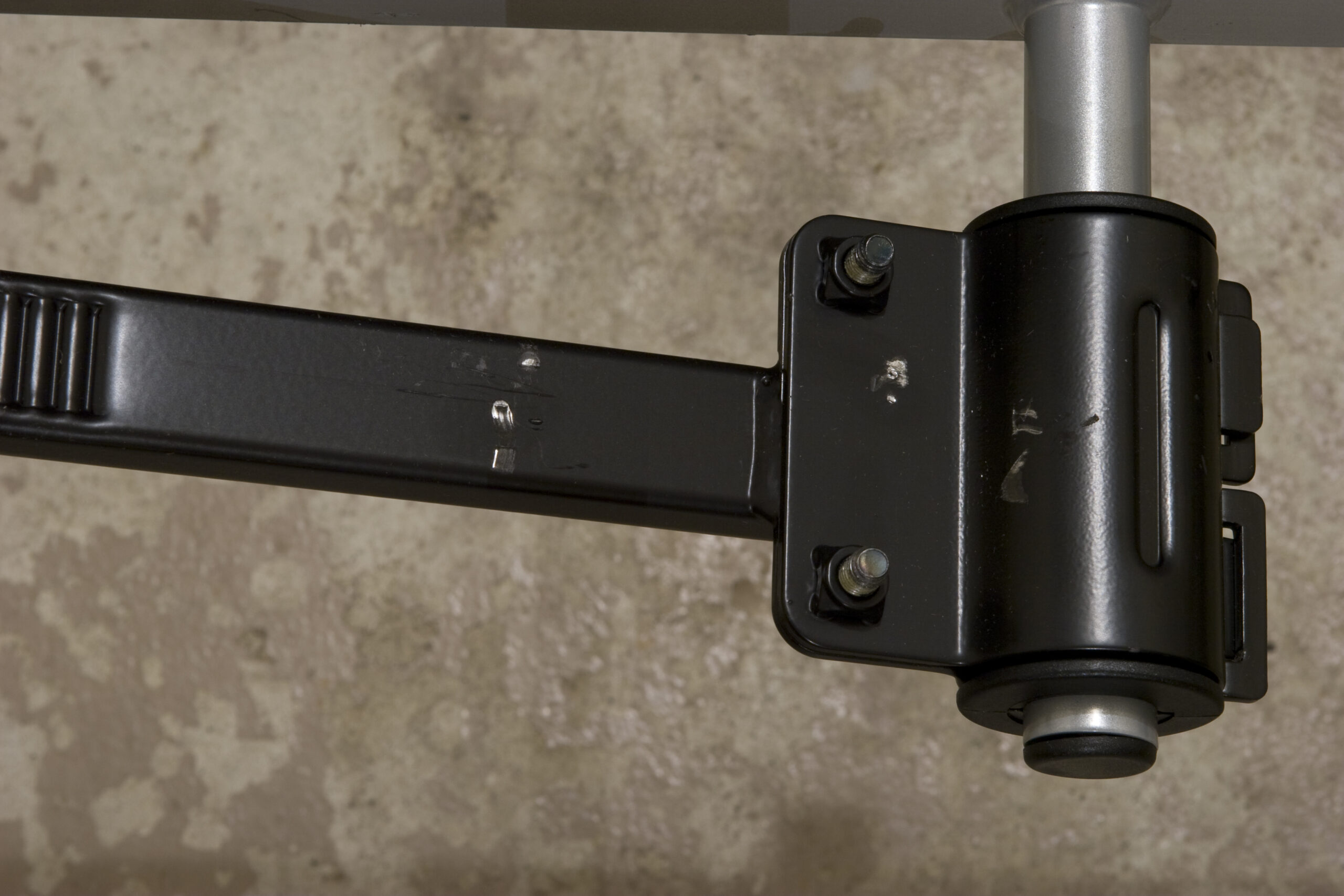
The scratches (example) aren’t too bad, and being a car part I figured it would eventually get a few scratches on it anyway, so I decided to go ahead with assembling it.
I finished putting things together, fit both Danielle’s bike and mine on there, then used a plumb bob (really, a washer and some sort of high tension fishing line I found in a park) to measure the distance between the end of each wheel and the center post. I then moved the bike racks side to side, and now both bikes fit, nicely centered on the vehicle, with plenty of clearance between them.
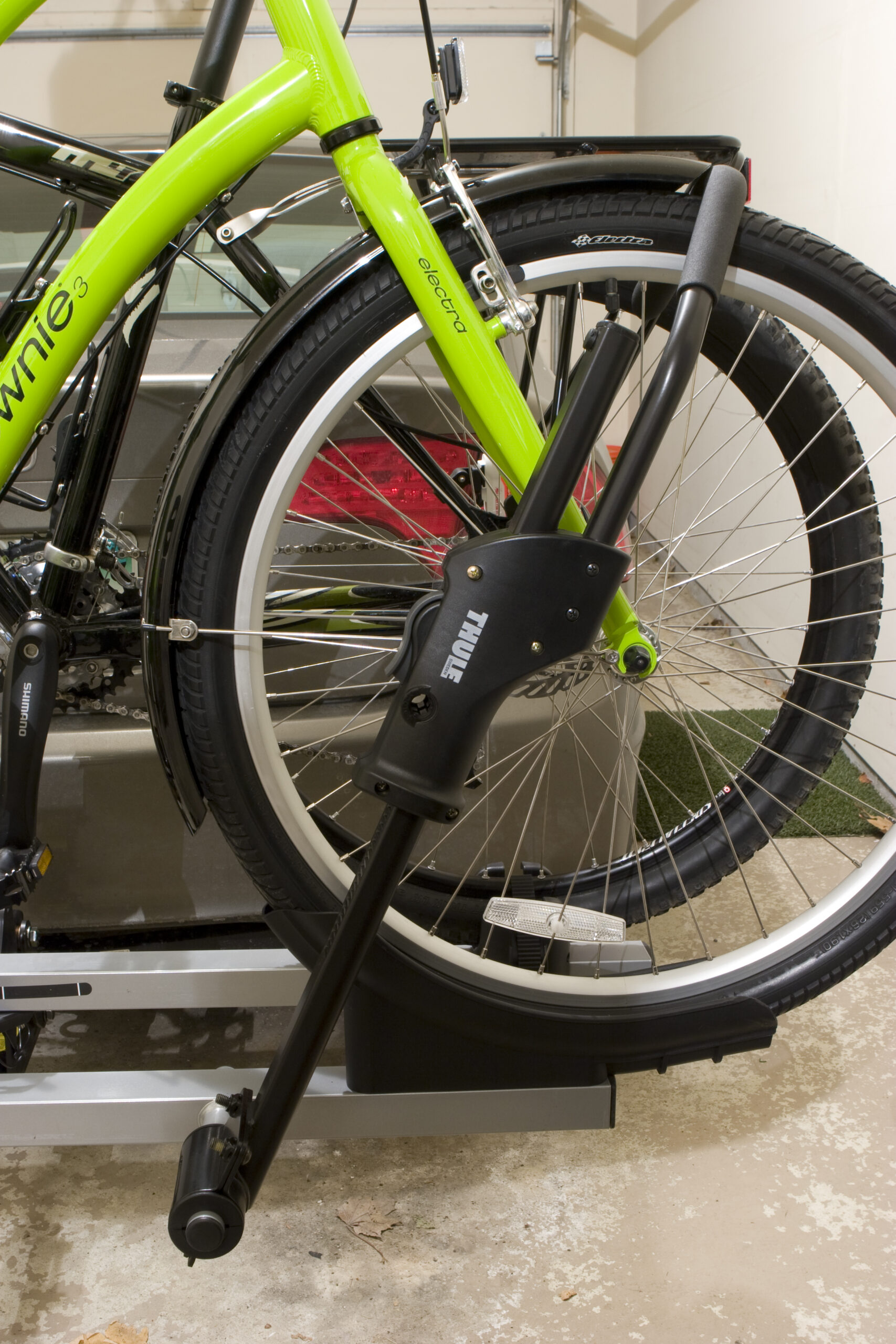
All in all, I’m quite happy with it. The rack doesn’t take a standard hitch pin, instead coming with a bolt and lock washer which should hold the rack very securely in the hitch. One particularly great part is the fit of Danielle’s bike. Because of the fender on it I was afraid that the mechanism for holding the front wheel down would require removal of the fender. Well, as can be seen here, I was able to securely fit the clamp in front of the fender where it still securely holds the wheel. Yay!
If you’d like to see more photos of the bike rack on my car, please take a look at then end of this page (photo gallery retired) and all of this page.
Just a heads up. And in fairness, I can’t see the entire arm that goes over the front wheel to be sure. But that arm looks very similar to the cane style that many of the Chicago buses had. If it is, keep a watch on it, on the buses, it was notorious for coming off and thus not holding onto the front wheel at all. Basically what would happen is the cane had a foam grip that held on to the rubber tire. Hit the bump and the bike would get a little bounce, the cane would give a little to account for the shock then come down, as it all worked it caused the front tire to rotate a bit away from the frame working the foam cane down and around with it. Hit enough bumps and the foam cane would end up down and off the front tire all together.
Again, I don’t know that yours is the same, and maybe it locks into place, I’m not sure either, but I wanted to let you know so you could watch for it, maybe do a test drive someplace safe. My bike was nearly lost on LSD here and I know of more than a couple instances where bikes came off of racks that had cane hooks for the front wheel.
Thanks. That’s actually really good to hear. If you take a look here you can see how the bent over part works.
One thing I did was shake the bikes back and forth and the whole assembly (while holding the bikes) up and down for a while to see if they rubbed or if things got loose. They didn’t last night, so I’m thinking that this weekend I’ll take a 30 mile or so drive at normal road speeds to my parents house, just to check out that it’s doing okay.
Is this (warning, kinda large) the sort of rack you are talking about? From what I can see it looks like it’s a slightly different design. It looks to me like the CTA ones don’t ratchet down against the wheel, whereas these do. If positioned right, these can’t really move since they’d have to get longer (and thusly against the lock) to get back off of the wheel.
Those are not the racks I was talking about. Chicago buses have 2 different type of racks. Those are the good ones, the bad ones were made, sad to say it, like yours.
There are a number of reasons why they might have failed on the buses. Buses don’t have the shocks that cars have. The roads they were going on (and falling off of) were REALLY bad… LSD had lots of deep potholes. Those with buses going 50 miles per hour… bad things are bound to happen. Also, there was no real locking mechanism to keep them tight. The buses had to be quick and easy to accommodate all sizes. It looks like your arm might have a more secure design.
Just keep a good eye on it, especially if you hit a rough road area. I would still do a short drive, like a couple miles around your house, with them on first just to see how it is first.
Hrm. That’s interesting. I’m planning on doing some >300 mile drives this summer with it, likely at 70mph – 80mph. I’ll definitely give it plenty of testing first. On the upside, this is one of the best rated racks out there, so hopefully it doesn’t have that problem, but I’ll be sure to be certain first.
By the way, do you know if the CTA racks ratcheted tighter, or were they a friction lock?
they didn’t ratchet tighter, that’s why I was thinking yours is probably ok. Theirs you pulled the arm up, put it over the wheel, and pushed it down tight. It never secured down.
Oh, yeah. That’s good then. I can see why that would have been bad.
I’ll probably grab the locks for it, so there’s no way you can release them without a key (or lots of very intentional breaking force).
That’s sharp! That turned out really nice. :)
I’m interested in getting a bike rack for my own car, and I’ll keep that one in mind.
Although here in FL, the way they tailgate, I’d be a little nervous about getting my Trek Navigator squished by some Hummer rear-ending me. :P But that could happen in any rack instance.
Anyhow: kudos. Looks great!
Thanks. :) It’s a pretty nice rack. I think it’ll be okay. Total cost for all of that (hitch and rack) was just over US$400.
Oh, and tailgating? I’m in Michigan. We have >50% trucks/SUVs, tailgating like cars, and ice. Lots of ice.